Through-beam photoelectric sensors, also known as opposed-mode sensors, represent a fundamental and widely utilized category in industrial automation sensing technology. This article provides a comprehensive overview of their operating principle, key characteristics, and diverse application scenarios, offering valuable insights for engineers and system designers.
The core working principle of a through-beam sensor is elegantly simple yet highly effective. The system consists of two separate, physically distinct units: a transmitter (or emitter) and a receiver. The transmitter continuously emits a beam of light, typically infrared, visible red, or laser light. The receiver, positioned directly opposite the transmitter, is designed to detect this specific light beam. When an opaque object passes between the two units, it interrupts the light beam. The receiver detects this loss of signal and triggers an output switch, signaling the object's presence. This "break-beam" method is the defining characteristic of the through-beam configuration.
Several key advantages stem from this physical separation of components. First and foremost, through-beam sensors offer the longest possible sensing ranges among photoelectric sensors. Ranges of 10 meters, 20 meters, or even more are common, with specialized laser through-beam models capable of detecting objects at distances exceeding 100 meters. This makes them ideal for monitoring large areas or conveyor lines. Secondly, they possess exceptional reliability and stability. Because the receiver is detecting a dedicated, focused beam from its paired transmitter, it is generally less susceptible to interference from ambient light, background reflections, or object surface characteristics (color, texture, reflectivity). The object only needs to be opaque enough to block the beam, simplifying detection criteria.
However, the design also presents inherent limitations. The primary drawback is the requirement for two separate devices and their precise alignment. Installation can be more time-consuming, as both the transmitter and receiver must be mounted on opposite sides of the detection path and carefully aligned so that the beam is accurately received. Any misalignment, vibration, or physical shift after installation can cause the sensor to fail. Furthermore, wiring is required for both units, which can increase complexity and cost compared to a single-device solution.
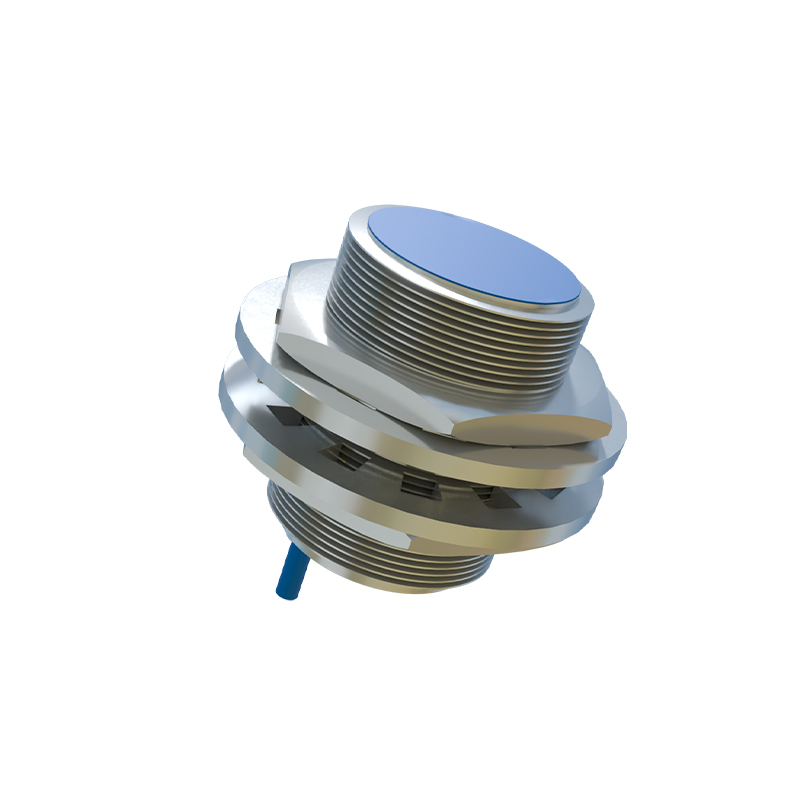
The applications for through-beam photoelectric sensors are vast and critical across numerous industries. In material handling and packaging, they are extensively used for object detection on high-speed conveyors, bottle/can counting in filling lines, and break detection in web processes (paper, film, textiles). Their long range and reliability make them perfect for safety systems, such as perimeter guarding on machinery, access control on doors, and intrusion detection in secure areas. In the automotive industry, they are employed for precise positioning of parts on assembly lines and robot cell safeguarding. They are also fundamental in elevator systems for door control and leveling.
When selecting a through-beam sensor, several factors must be considered. The required sensing distance is paramount. The light source type is another critical choice: modulated infrared LEDs are common for general-purpose use due to their good resistance to ambient light; visible red beams facilitate easier alignment; laser diodes provide extremely focused beams for long-range, small-object detection or precise positioning. The housing material (typically metal or plastic) should suit the environmental conditions, including resistance to dust, moisture, and chemicals, often indicated by an IP (Ingress Protection) rating. Output type (PNP/NPN, NO/NC) must be compatible with the controller (PLC, etc.). Finally, special features like built-in alignment indicators, timing functions, or high-speed response capabilities may be necessary for specific applications.
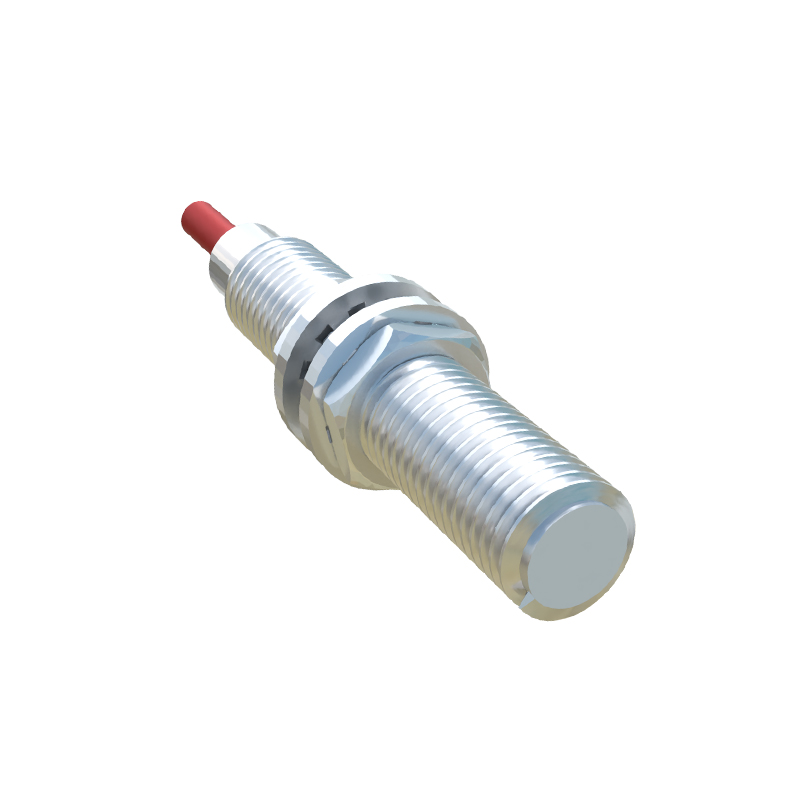
In summary, through-beam photoelectric sensors are a robust, long-range sensing solution whose operation is based on the interruption of a direct light beam between separate transmitter and receiver units. While their installation demands careful alignment, their performance in terms of range, reliability, and immunity to object surface properties is often unmatched. They remain an indispensable tool in the automation engineer's arsenal, solving challenging detection tasks in manufacturing, packaging, safety, and beyond. Understanding their principle and trade-offs is essential for deploying them effectively in modern industrial systems.