Selecting the optimal laser sensor for an industrial application is a critical decision that directly impacts system performance, reliability, and cost-efficiency. As an experienced electrical engineer, I've witnessed numerous projects where improper sensor selection led to downtime, inaccuracies, or unnecessary expenses. This guide distills key methodologies to navigate the complex landscape of laser sensor technologies.
The first and most fundamental step is to precisely define the measurement task. What exactly needs to be detected or measured? Is it distance, displacement, presence, thickness, or profile? The answer dictates the sensor type. For simple object detection or counting, a diffuse-reflective laser sensor might suffice. For precise distance measurement or profiling, a time-of-flight (ToF) or triangulation-based laser displacement sensor is necessary. For applications requiring extreme precision in the micron or sub-micron range, such as semiconductor wafer inspection, interferometric laser sensors become the go-to choice. Clearly outlining the primary objective narrows the field significantly.
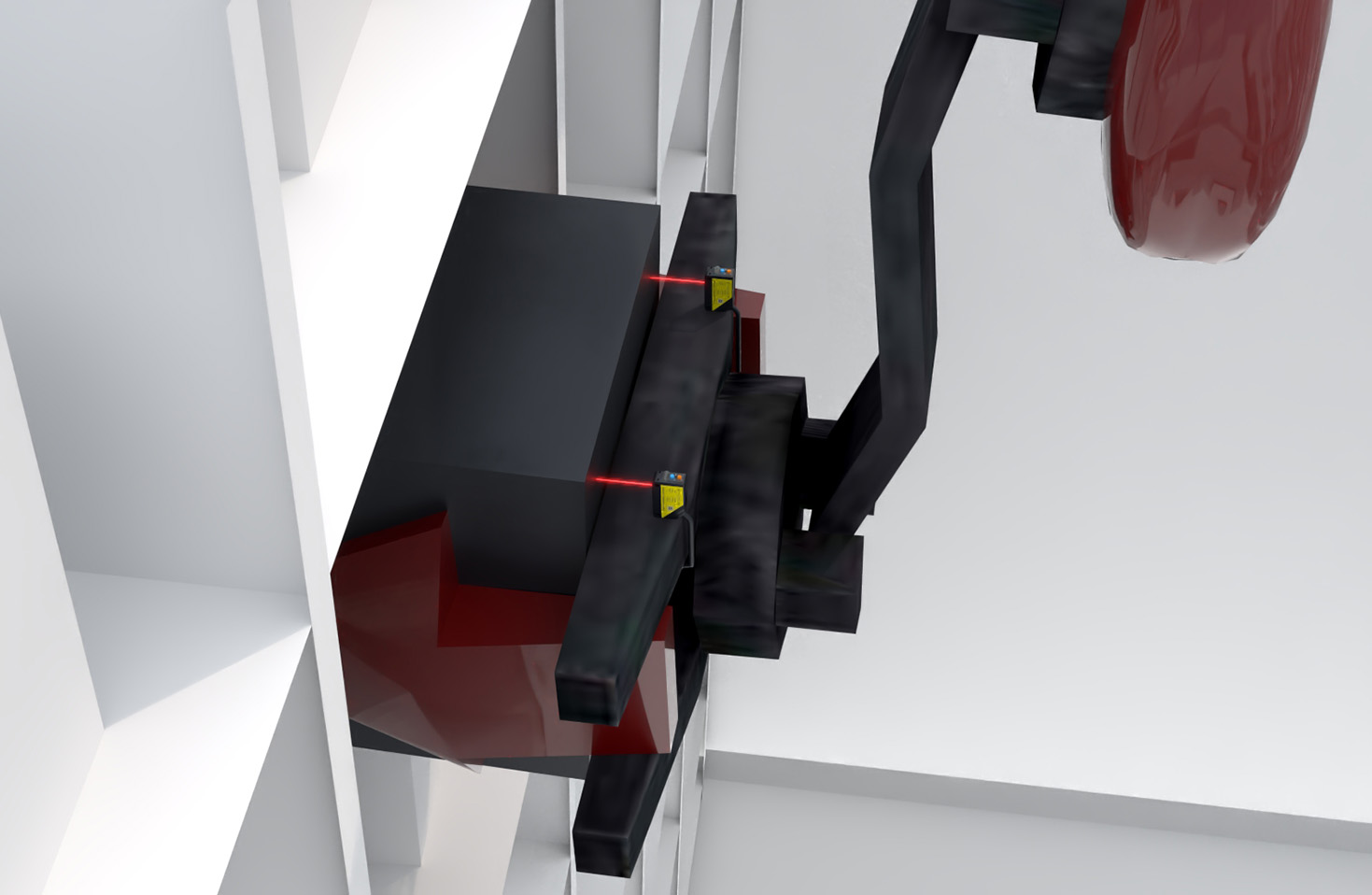
Next, evaluate the key performance parameters. Range and Standoff Distance are paramount. The operating range is the distance over which the sensor can perform its measurement, while the standoff is the required distance between the sensor and the target. Ensure your application's working distance fits comfortably within the sensor's specified range, leaving a margin for operational variances. Resolution and Accuracy are often confused. Resolution is the smallest change the sensor can detect, while accuracy is how close the measurement is to the true value. High-speed sorting may prioritize speed over ultimate accuracy, whereas a quality control gauge demands high accuracy and repeatability. Response Time and Sampling Rate determine how quickly the sensor can take readings. For monitoring fast-moving objects on a conveyor, a high sampling rate (often in kHz) is essential to avoid aliasing and ensure every item is scanned.
The Target Characteristics profoundly influence the choice. Consider the material's surface: Is it shiny, matte, transparent, or dark? A highly reflective surface can saturate a standard sensor, while a black, absorbent material may return too weak a signal. Many modern sensors feature automatic background suppression or teach-in functions to adapt to different surfaces. For transparent objects like glass or plastic films, specialized sensors with background suppression or through-beam configurations are necessary. The target size also matters; a very small object requires a sensor with a finely focused laser spot.

Environmental conditions are a frequent oversight. Industrial settings can be harsh. Assess the presence of Ambient Light. Sunlight or strong artificial lighting can interfere with the sensor's laser. Look for sensors with robust ambient light immunity, often achieved using modulated laser light. Temperature, Humidity, and Vibration can affect both the sensor and the optical path. Ensure the sensor's IP (Ingress Protection) rating and operating temperature range suit the installation environment. In dirty or dusty areas, sensors with a higher IP rating (e.g., IP67) are crucial to prevent contamination of the lens.
Finally, consider integration and operational factors. The Output Signal type must be compatible with your control system—discrete (PNP/NPN), analog (4-20mA, 0-10V), or digital (IO-Link, Ethernet/IP, Profinet). Mechanical Form Factor and mounting options must align with spatial constraints. Ease of Setup and Maintenance is vital for reducing downtime; features like programmable logic, built-in diagnostics, and remote configuration via software add significant long-term value.
In conclusion, a systematic approach to laser sensor selection—centered on the application's core requirements, target properties, environmental context, and integration needs—is indispensable. There is rarely a single "best" sensor, but there is invariably a most *suitable* one. By methodically analyzing these factors, engineers can specify a laser sensor that delivers reliable, accurate, and cost-effective performance for years to come, forming a robust foundation for any automated system.