In industrial automation and control systems, proximity sensors are indispensable components, providing non-contact detection of metallic or non-metallic objects. However, a critical and often under-discussed operational hazard is the potential for these sensors to overheat and, in extreme cases, experience catastrophic failure or even explosion. This phenomenon poses significant risks to personnel safety, equipment integrity, and production continuity. Understanding the root causes, implementing rigorous prevention strategies, and selecting appropriate solutions are paramount for engineers and maintenance professionals.
The primary driver behind excessive heat generation in a proximity sensor is internal power dissipation. Every sensor converts electrical energy, with some portion inevitably lost as heat. Under normal operating conditions, this heat is effectively managed through the sensor's housing design and ambient cooling. Problems arise when this thermal equilibrium is disrupted. A leading cause is incorrect voltage supply. Applying a voltage significantly higher than the sensor's rated specification forces excessive current through its internal circuitry, leading to rapid overheating of components like the oscillator, output transistor, and voltage regulator. Conversely, a voltage too low can cause the sensor to operate in an unstable state, also increasing internal losses.
Electrical overloads present another major risk. Inductive loads, such as solenoids or contactor coils, when switched by the sensor's output, can generate substantial voltage spikes or inrush currents. If the sensor's surge protection or output rating is inadequate, these transient events can cause immediate thermal damage or degrade components over time, creating a hotspot. Similarly, persistent short-circuit conditions at the output can cause the sensor's protective circuitry or output stage to dissipate continuous high power, leading to thermal runaway.
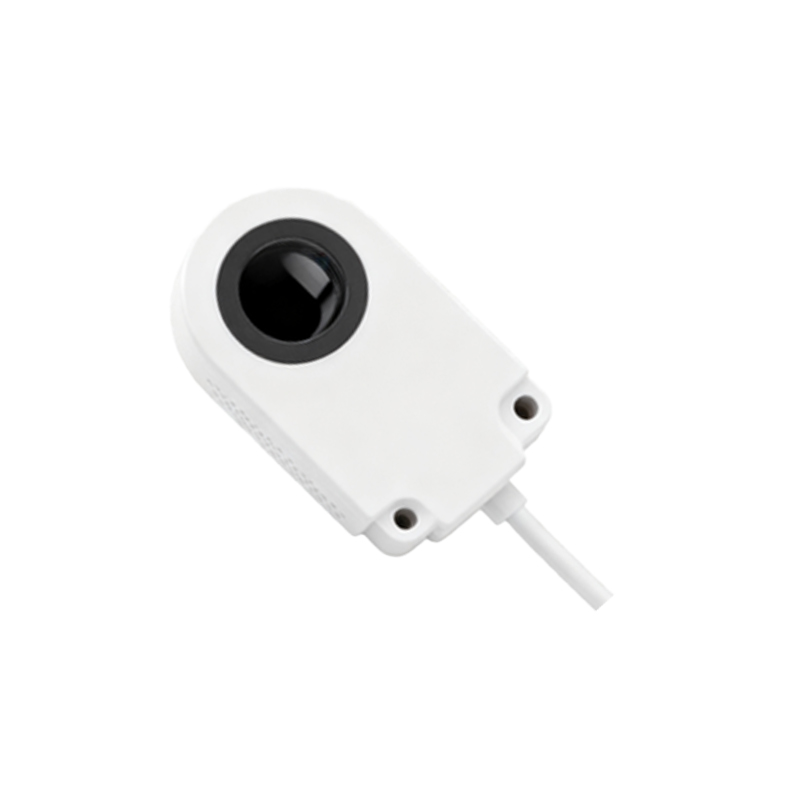
Environmental factors play an equally crucial role. Installing a sensor in an enclosure with poor ventilation, or in an ambient temperature exceeding its specified range, prevents effective heat dissipation. Dust, oil mist, or metallic shavings accumulating on the sensor body act as an insulating blanket, trapping heat internally. In hazardous locations where sensors are used near flammable gases or dust, this localized overheating can become an ignition source, potentially leading to an explosion if the sensor housing is not properly certified for such environments (e.g., lacking ATEX, IECEx, or UL HazLoc ratings).
Mechanical and design flaws can also precipitate failure. Damaged cables or poor connections create points of high electrical resistance, which become heat sources. Internal manufacturing defects, such as faulty solder joints or substandard components, can create unexpected current paths and localized overheating. Furthermore, using a sensor with an insufficient IP rating for a wet or corrosive environment can lead to internal condensation or corrosion, causing short circuits and subsequent heating.
The transition from overheating to explosion, while rare, involves a critical escalation. Intense, concentrated heat can cause the vaporization of internal fluids (in sealed units), thermal decomposition of plastics, or pressure buildup within a sealed housing. If the housing integrity is compromised—due to material fatigue from cyclic heating or excessive internal pressure—it can rupture violently. In atmospheres containing combustible dust or gas, the escaping hot gases or sparks can trigger a secondary, far more devastating explosion.
Prevention is fundamentally rooted in adherence to specifications and prudent system design. Always power the sensor within its designated voltage range, using stabilized power supplies where necessary. Ensure the electrical load connected to the sensor's output is within its maximum current and inrush current ratings; employ protective devices like surge suppressors or relays for inductive loads. Meticulous attention must be paid to the installation environment. Select sensors with an appropriate IP rating and suitable housing material (e.g., stainless steel for corrosive settings). Ensure adequate clearance around the sensor for airflow and perform regular maintenance to keep it free of debris.
For high-ambient-temperature applications or high-duty-cycle operations, consider sensors specifically designed for elevated temperatures or those with integrated thermal management features. In potentially explosive atmospheres, non-incendive or intrinsically safe sensors, or those housed in explosion-proof enclosures, are not optional but a mandatory requirement. Implementing routine thermal inspections using infrared cameras or thermal probes can identify overheating sensors before they fail, allowing for predictive maintenance.
When a sensor is found to be hot, immediate action is required. Safely de-energize the circuit, lock out/tag out the power source, and allow the sensor to cool completely before investigation. Replace the sensor and thoroughly diagnose the system for the underlying cause—check wiring, load, supply voltage, and environmental conditions. Never reinstall a sensor that has shown signs of severe overheating, as its internal components are likely permanently degraded.
In conclusion, proximity sensor overheating is a clear indicator of system stress or mismatch. It is a failure mode that bridges electrical, environmental, and application engineering disciplines. By prioritizing correct selection based on full application parameters, adhering to installation best practices, and committing to proactive monitoring, engineers can effectively mitigate the risks of overheating and catastrophic failure, ensuring the reliable and safe