Proximity sensors are indispensable components in modern industrial automation, enabling non-contact detection of objects within a specific range. These devices enhance efficiency, safety, and reliability across various applications, from manufacturing lines to robotics. Understanding the different names and types of proximity sensors is crucial for engineers and technicians to select the appropriate technology for their specific needs.
One of the most common categories is the inductive proximity sensor. These sensors detect metallic objects without physical contact by generating an electromagnetic field. When a metal target enters this field, it induces eddy currents, causing a change in the sensor's oscillation amplitude. This change triggers an output signal. Inductive sensors are widely used in automotive assembly, metal machining, and conveyor systems due to their durability and resistance to environmental factors like dust and moisture. They are often referred to simply as "proximity switches" or "inductive sensors" in technical documentation.
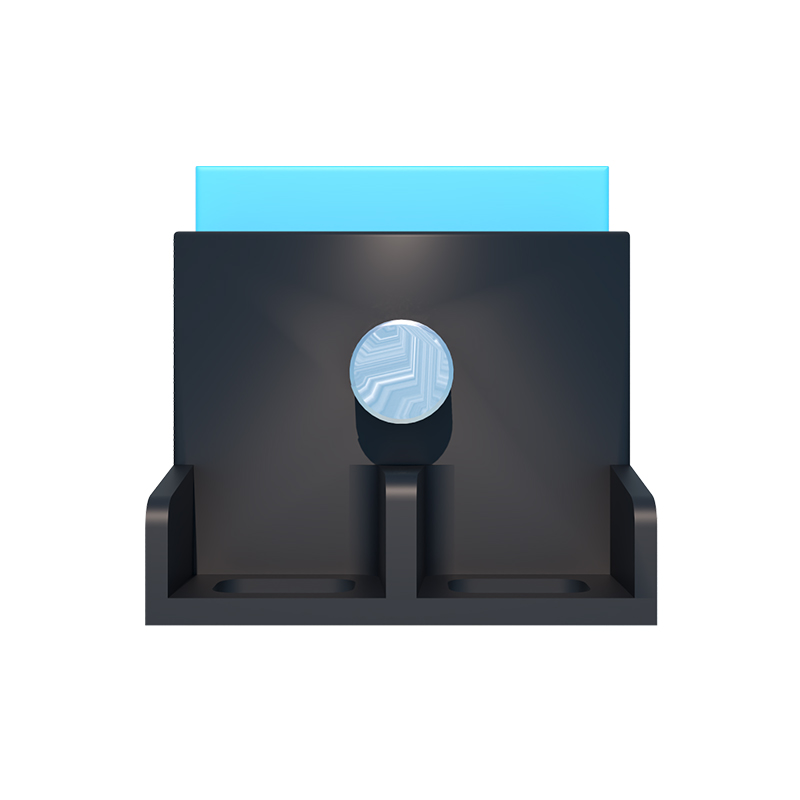
Capacitive proximity sensors operate on a different principle, detecting both metallic and non-metallic materials such as plastics, liquids, or wood. They work by measuring changes in capacitance when an object enters their electrical field. This versatility makes them ideal for applications like level detection in tanks, material handling, and packaging industries. In industrial settings, they might be called "capacitive sensors" or "capacitive proximity switches." Their ability to sense through non-metallic barriers adds to their utility in complex environments.
Magnetic proximity sensors, also known as "reed switches" or "Hall effect sensors," detect the presence of magnetic fields. Reed switches use ferromagnetic reeds that close or open in response to a magnet, while Hall effect sensors generate a voltage when exposed to a magnetic field. These sensors are commonly found in safety systems, door position sensing, and automotive applications. They offer high reliability and long operational life, often specified in datasheets as "magnetic proximity devices."
Ultrasonic proximity sensors use sound waves to detect objects, measuring the time it takes for an echo to return after emitting an ultrasonic pulse. They can sense a wide range of materials, regardless of color or transparency, and are effective in challenging conditions like fog or dust. In industrial contexts, they are frequently termed "ultrasonic sensors" or "sonic proximity sensors." Applications include distance measurement, object counting, and liquid level monitoring in processes where other sensors might fail.
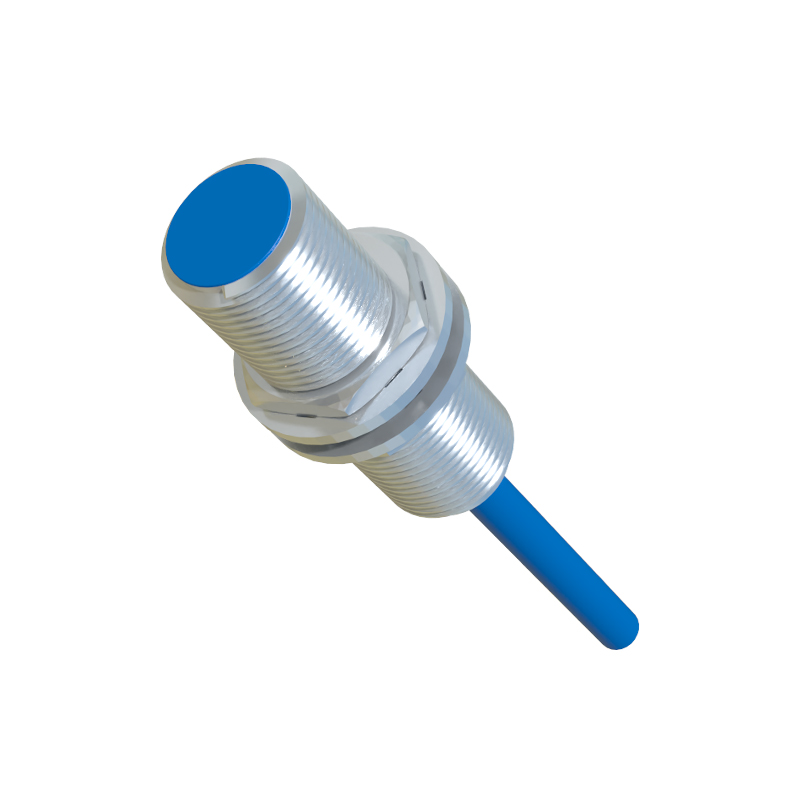
Photoelectric proximity sensors, or "photo sensors," employ light beams to detect objects. They come in three main types: through-beam, retro-reflective, and diffuse reflective. Through-beam sensors have separate emitter and receiver units, offering long-range detection. Retro-reflective sensors use a reflector to bounce light back, while diffuse reflective sensors rely on light reflected from the target itself. These sensors are essential in packaging, material handling, and automated assembly lines, often labeled as "optical proximity sensors" in technical manuals.
In addition to these primary types, specialized variants exist, such as cylindrical proximity sensors for compact installations or high-temperature models for extreme environments. Engineers might encounter terms like "NAMUR sensors" for hazardous areas or "analog proximity sensors" for continuous distance measurement. Selecting the right sensor involves considering factors like sensing range, output type (e.e., PNP or NPN), and environmental resistance.
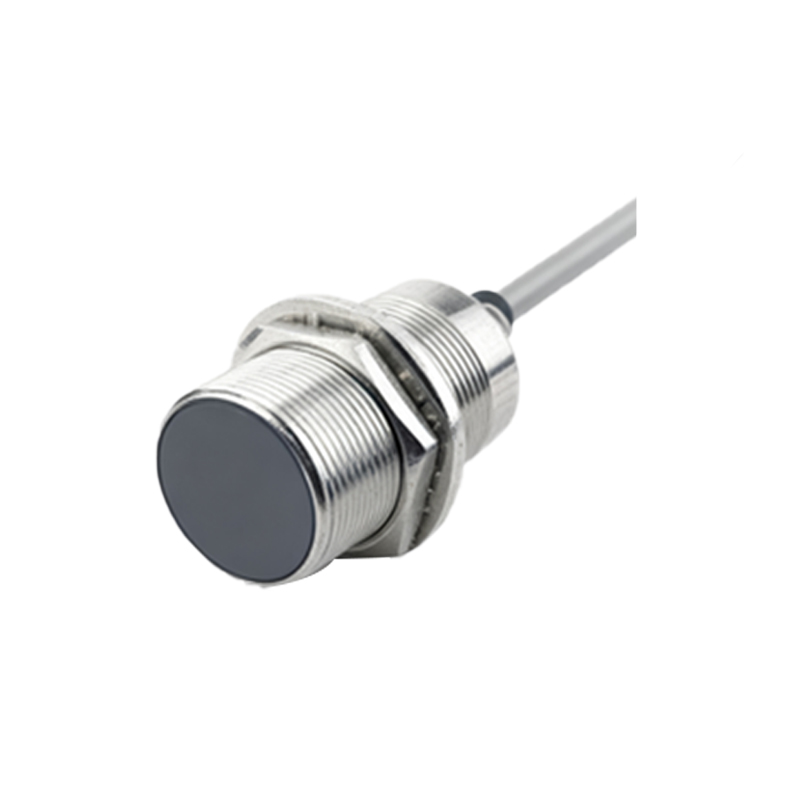
Overall, proximity sensors play a vital role in industrial automation, with names and types tailored to specific functions. By familiarizing themselves with terms like inductive, capacitive, magnetic, ultrasonic, and photoelectric sensors, professionals can optimize system performance and ensure seamless operation in diverse applications.