In the realm of industrial automation, miniature proximity sensors are indispensable components, enabling non-contact detection of objects with high precision and reliability. However, their performance and longevity are heavily dependent on effective waterproofing, especially in harsh environments where exposure to moisture, dust, chemicals, or extreme temperatures is common. This article delves into the critical waterproof requirements for these sensors, outlining standards, design considerations, and practical implications for engineers and system integrators.
Waterproofing in miniature proximity sensors is primarily governed by international protection ratings, most notably the IP (Ingress Protection) code defined by IEC 60529. The IP rating consists of two digits: the first indicates protection against solid particles (like dust), and the second denotes protection against liquids (such as water). For industrial applications, a minimum rating of IP67 is often recommended, ensuring the sensor is dust-tight and can withstand temporary immersion in water up to 1 meter for 30 minutes. In more demanding scenarios—such as food processing, marine operations, or outdoor installations—higher ratings like IP68 or IP69K may be necessary. IP68 allows for continuous submersion under specified conditions, while IP69K provides protection against high-pressure, high-temperature water jets, making it suitable for washdown environments in pharmaceutical or automotive industries.
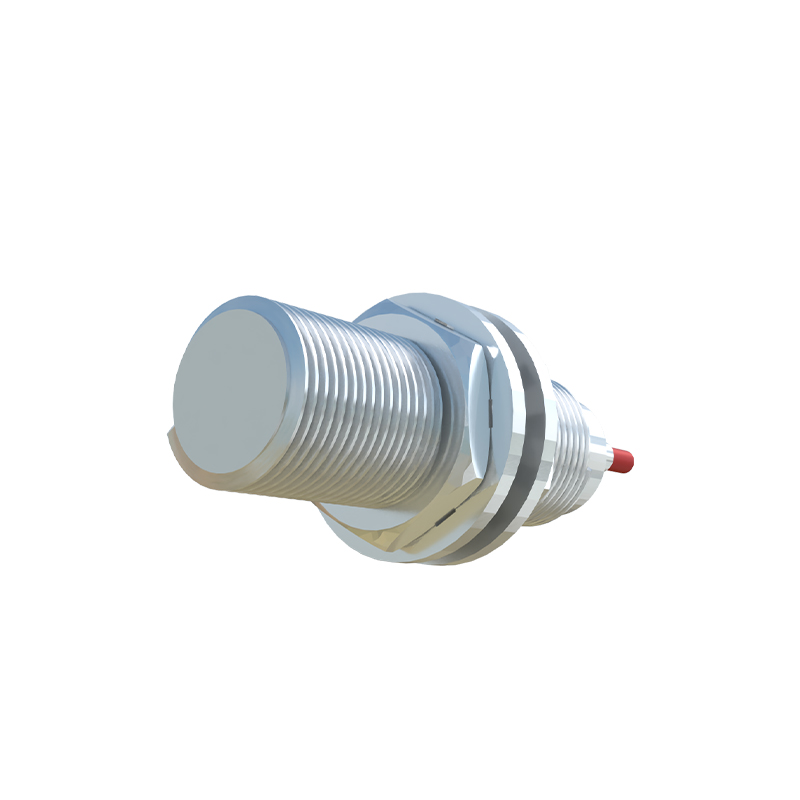
The design and materials used in miniature proximity sensors play a pivotal role in achieving these waterproof standards. Key elements include the housing, seals, and cable connections. Typically, housings are constructed from robust materials like stainless steel (e.g., SUS304 or SUS316) or engineering plastics (e.g., PBT or PPS), which offer corrosion resistance and durability. Seals, often made from elastomers such as silicone or fluorocarbon rubber, are critical for preventing water ingress at joints and interfaces. These seals must maintain elasticity across a wide temperature range (-40°C to 100°C) to avoid cracking or degradation. Additionally, cable glands or molded cables with strain relief features ensure that the entry points are securely sealed, reducing the risk of leaks due to vibration or mechanical stress.
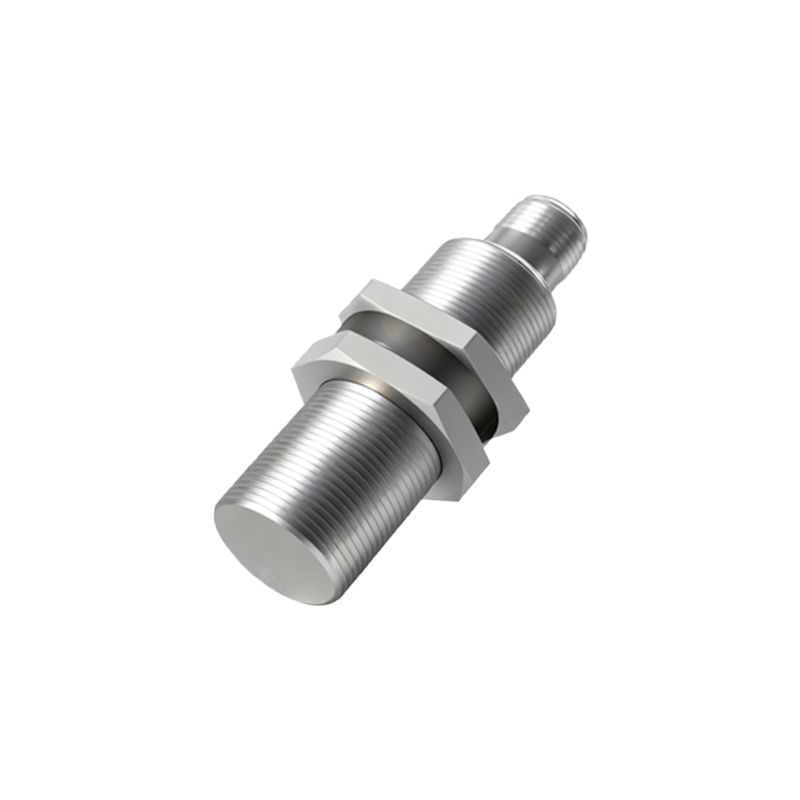
Beyond the IP rating, engineers must consider environmental factors that can compromise waterproofing. For instance, thermal cycling—where sensors experience repeated temperature fluctuations—can cause materials to expand and contract, potentially breaking seals over time. Chemical exposure, such as to oils, solvents, or acidic substances, may degrade seals or housing materials, leading to failures. To mitigate these risks, it is essential to select sensors with appropriate material certifications (e.g., NEMA ratings or FDA compliance for food-grade applications) and to conduct thorough testing under simulated operating conditions. Accelerated life testing, including salt spray tests and humidity chambers, can validate long-term performance.
Installation and maintenance practices also influence the waterproof integrity of miniature proximity sensors. Proper mounting is crucial; sensors should be positioned to avoid direct exposure to water jets or pooling liquids, and mounting hardware (like brackets or gaskets) must be compatible with the sensor’s design. Regular inspections are recommended to check for signs of wear, corrosion, or seal damage, especially in high-vibration areas. In cases where sensors are used in washdown zones, using additional protective covers or enclosures can extend their lifespan. Furthermore, adhering to manufacturer guidelines for torque settings during installation prevents over-tightening, which might distort seals and compromise waterproofing.
In summary, waterproof requirements for miniature proximity sensors are not merely an add-on but a fundamental aspect of ensuring operational reliability in diverse industrial settings. By understanding IP ratings, material properties, and environmental challenges, engineers can make informed decisions that enhance system durability and reduce downtime. As industries evolve toward smarter, more connected systems (Industry 4.0), the demand for robust, waterproof sensors will only grow, driving innovation in sealing technologies and standards compliance. Ultimately, investing in high-quality waterproof sensors translates to lower maintenance costs, improved safety, and sustained productivity in demanding applications.