In the realm of gas detection and safety monitoring, laser methane sensors represent a significant technological leap forward. Among these, the ERO laser methane sensor stands out as a premier solution for accurate, reliable, and continuous methane monitoring. This article delves into the core technology, operational principles, diverse applications, and key benefits of the ERO sensor, providing a comprehensive overview for industry professionals.
At its heart, the ERO laser methane sensor utilizes Tunable Diode Laser Absorption Spectroscopy (TDLAS) technology. This method involves directing a precisely tuned laser beam through the target gas environment. Methane molecules absorb specific wavelengths of infrared light. The sensor's laser is tuned to one of these characteristic absorption lines. As the beam passes through the atmosphere, methane molecules absorb a portion of the light at this specific wavelength. A detector on the opposite side measures the intensity of the transmitted light. The degree of absorption is directly proportional to the concentration of methane gas present along the beam path. This fundamental principle allows for highly selective detection, as the laser is tuned to a spectral fingerprint unique to methane, minimizing cross-sensitivity to other gases.
The operational advantages of the ERO sensor are manifold. Firstly, it offers exceptional accuracy and sensitivity, capable of detecting methane leaks at very low concentrations, often in the parts-per-million (ppm) range. This early detection capability is crucial for preventing hazardous accumulations. Secondly, the non-dispersive infrared (NDIR) principle inherent in TDLAS ensures long-term stability and requires minimal calibration compared to traditional catalytic bead or electrochemical sensors, which can drift or be poisoned by other substances. The ERO sensor typically features a maintenance-free operation for extended periods.

Another critical feature is its ability to perform remote or standoff detection. Some configurations of laser methane sensors, including certain ERO models, can measure methane concentrations over distances of tens or even hundreds of meters. This is achieved by reflecting the laser beam off a natural target or a dedicated retroreflector. This capability makes it ideal for monitoring large, inaccessible, or potentially hazardous areas such as wellheads, compressor stations, landfill perimeters, and along pipeline routes without the need for physical access to every point.
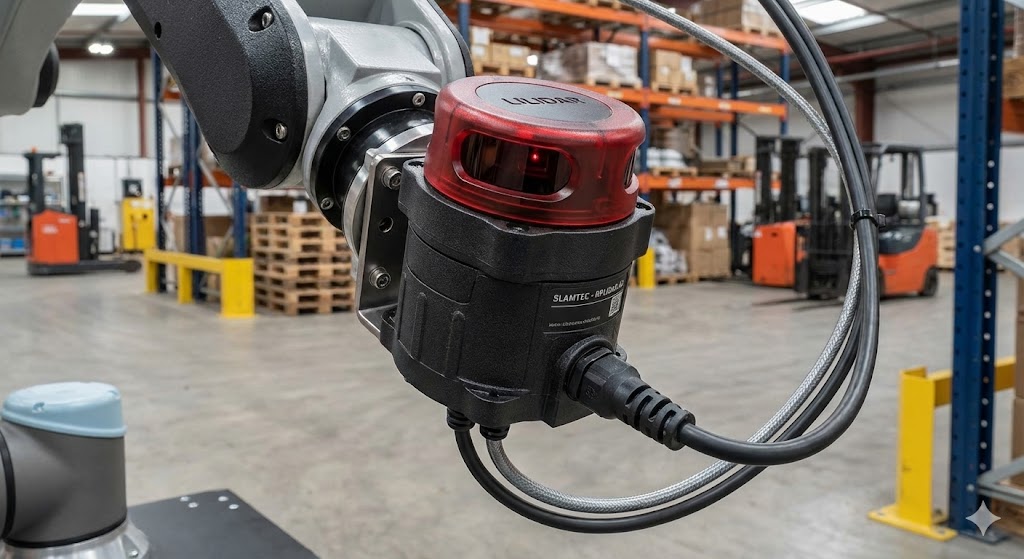
The applications for the ERO laser methane sensor are extensive across the oil and gas industry, utilities, and environmental safety sectors. In upstream operations, they are deployed for fugitive emission monitoring at drilling sites and production facilities. In midstream, they are essential for pipeline integrity management, helping to identify small leaks before they escalate. For utility companies, these sensors monitor natural gas distribution networks, including city gate stations and underground vaults. Furthermore, they play a vital role in landfill gas management, biogas production facilities, and coal mine safety, providing continuous monitoring for methane buildup.

From a safety and compliance perspective, the ERO sensor provides a robust tool for meeting increasingly stringent environmental regulations regarding methane emissions. Its continuous, real-time data output allows for immediate alarm triggering and facilitates trend analysis for predictive maintenance. The digital nature of the signal also simplifies integration into broader Supervisory Control and Data Acquisition (SCADA) systems or Industrial Internet of Things (IIoT) platforms, enabling centralized monitoring and data analytics.
In summary, the ERO laser methane sensor embodies the cutting edge of gas detection technology. By leveraging TDLAS, it delivers unmatched selectivity, sensitivity, and reliability. Its design for minimal maintenance, potential for remote monitoring, and adaptability to various harsh industrial environments make it an indispensable asset for enhancing safety, ensuring regulatory compliance, and optimizing operational efficiency in any setting where methane is present. As industries worldwide focus on reducing greenhouse gas emissions and improving safety protocols, advanced tools like the ERO laser methane sensor will continue to be at the forefront of innovation.