In today's industrial landscape, maintaining air quality and ensuring workplace safety are paramount concerns. Laser dust sensors have emerged as a critical technology for monitoring particulate matter (PM) in various environments. These sensors utilize laser scattering principles to detect and measure dust particles with high precision and reliability.
The core mechanism involves a laser diode that emits a focused beam of light. When airborne particles pass through the detection area, they scatter the laser light. A photodetector then captures this scattered light, and the sensor's internal algorithms analyze the signal to determine particle concentration and size distribution. This method allows for real-time monitoring, providing immediate data on dust levels.

One of the primary applications of laser dust sensors is in industrial manufacturing facilities. In sectors such as metalworking, wood processing, and chemical production, dust generation is inevitable. Excessive dust can pose serious health risks to workers, leading to respiratory issues and reduced productivity. By installing laser dust sensors, companies can continuously monitor air quality, ensuring compliance with occupational safety standards like OSHA regulations. When dust levels exceed safe thresholds, these sensors can trigger ventilation systems or alarms, prompting timely interventions.
Another significant application is in cleanroom environments, particularly in semiconductor manufacturing and pharmaceutical industries. Even minute dust particles can contaminate products, leading to defects and financial losses. Laser dust sensors offer the sensitivity required to detect sub-micron particles, enabling stringent control over air purity. They are often integrated into HVAC systems to maintain optimal conditions, safeguarding product integrity and quality assurance processes.
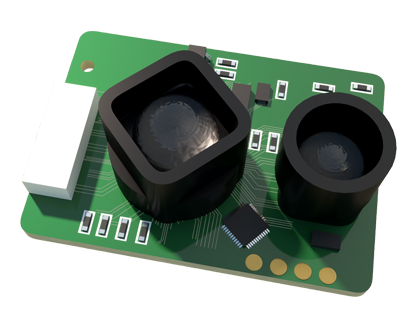
The construction industry also benefits from laser dust sensors. At demolition or building sites, dust from materials like concrete, silica, and asbestos can become airborne, creating hazardous conditions for workers and nearby residents. Portable or fixed sensors can be deployed to monitor particulate matter, helping project managers implement dust suppression measures such as water spraying or enclosure systems. This not only protects health but also minimizes environmental impact and potential regulatory fines.
In commercial settings, laser dust sensors are increasingly used in smart building management. They contribute to indoor air quality (IAQ) monitoring in offices, schools, and hospitals, where dust can affect occupant comfort and health. By linking sensors to building automation systems, facilities can adjust air filtration and circulation dynamically, enhancing energy efficiency while promoting a healthier environment. This is especially relevant in the wake of heightened awareness about airborne contaminants.
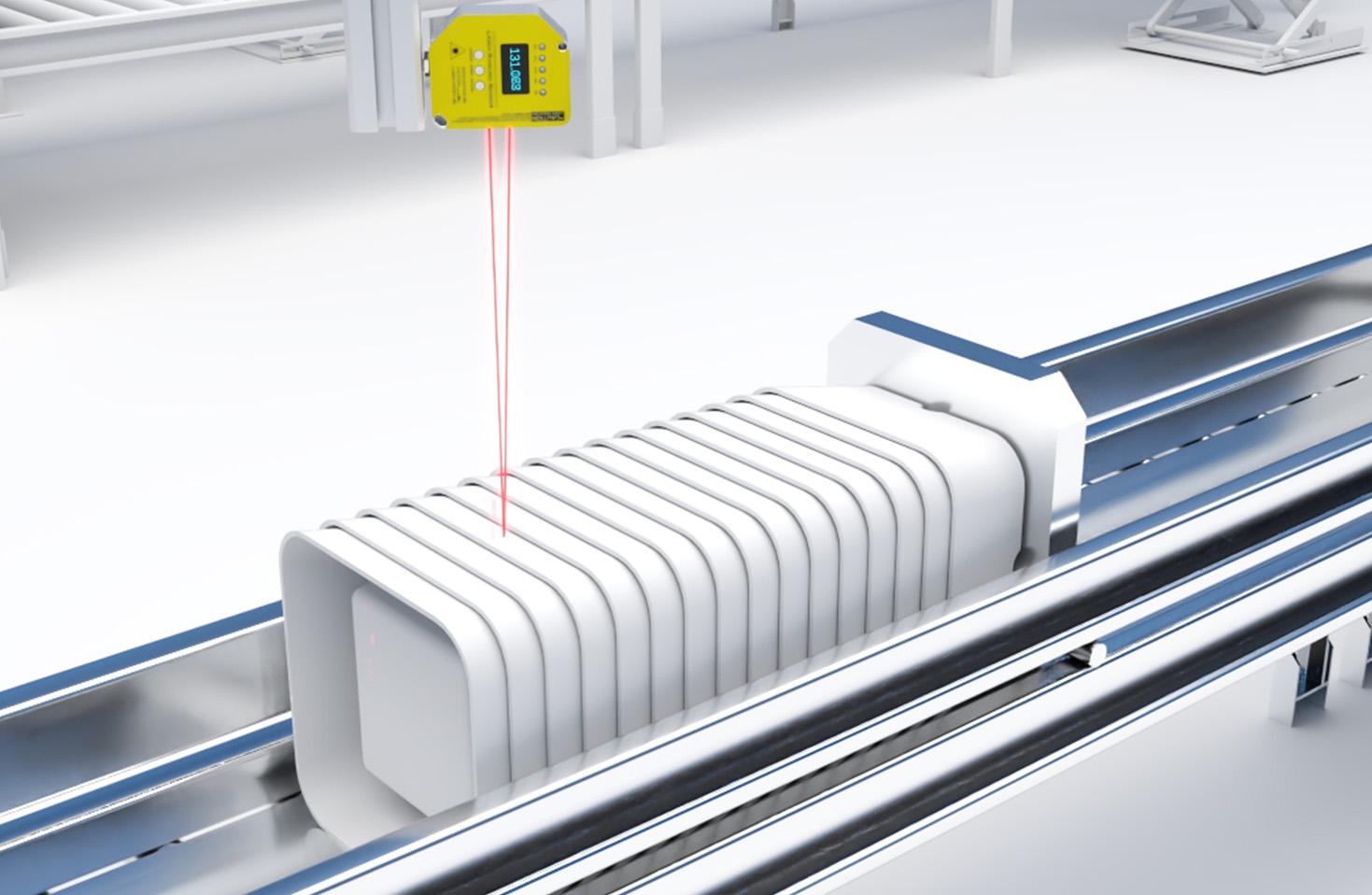
Moreover, laser dust sensors play a vital role in environmental monitoring. Government agencies and research institutions utilize them to track air pollution in urban areas, assessing PM2.5 and PM10 levels. The data collected aids in public health advisories and policy-making, supporting efforts to combat smog and other pollution-related issues. Their durability and low maintenance make them suitable for long-term deployment in weather stations and mobile monitoring units.
Technological advancements have further expanded the capabilities of laser dust sensors. Modern versions feature compact designs, wireless connectivity, and IoT integration, allowing for remote data access and analysis. Machine learning algorithms can now predict dust trends based on historical data, enabling proactive management. However, challenges remain, such as calibration requirements and potential interference from humidity or other particles. Regular maintenance and proper installation are essential to ensure accuracy.
In conclusion, laser dust sensors are indispensable tools across multiple sectors, from industrial safety to environmental protection. Their ability to provide accurate, real-time particulate data supports healthier workplaces, regulatory compliance, and sustainable practices. As industries continue to prioritize air quality, the adoption of these sensors is expected to grow, driven by innovations that enhance their performance and accessibility. Engineers and decision-makers should consider integrating laser dust sensors into their operations to mitigate risks and improve overall efficiency.