In the intricate world of industrial automation, where precision and reliability are non-negotiable, every component plays a pivotal role. Among these, the proximity sensor connector is a fundamental yet often underestimated element. This article delves into the essential functions, selection criteria, and operational significance of these specialized connectors, providing a comprehensive overview for engineers and system integrators.
A proximity sensor connector serves as the critical interface between a proximity sensor and the broader control system. Its primary function is to establish a secure, stable, and efficient electrical connection for signal transmission and power supply. Proximity sensors, which detect the presence or absence of an object without physical contact, generate discrete or analog signals. The connector ensures these signals are transmitted without degradation, noise interference, or interruption to the Programmable Logic Controller (PLC) or other processing units. In essence, it is the vital link that translates physical detection into actionable data.
The operational environment in industrial settings imposes severe demands. Connectors for proximity sensors are engineered to withstand these challenges. Key performance attributes include robust mechanical construction to resist vibration and shock, high ingress protection (IP) ratings (e.g., IP67, IP69K) for defense against dust, moisture, and coolant fluids, and reliable electrical contacts that maintain low resistance over millions of mating cycles. Materials such as ruggedized thermoplastics for housings and gold-plated contacts are common to ensure durability and consistent conductivity. A compromised connector can lead to signal loss, false triggers, or complete sensor failure, resulting in costly downtime, production errors, or even safety hazards.
Selecting the appropriate connector is a multi-faceted decision. Engineers must consider several technical parameters. First is the sensor type and its output signal (e.g., PNP, NPN, NAMUR, or analog). The connector must be electrically compatible. Second, the physical form factor is crucial, with common types including M8, M12, and M23 circular connectors, each with specific pin configurations (3-pin, 4-pin, 5-pin). The M12 connector, with its locking thread, has become an industry standard for many sensor applications due to its compact size and reliability. Third, the cable exit style (straight or right-angled) and the required cable gland must suit the installation space and strain relief needs. Finally, compliance with industry standards (e.g., IEC 61076-2) guarantees interoperability and safety.
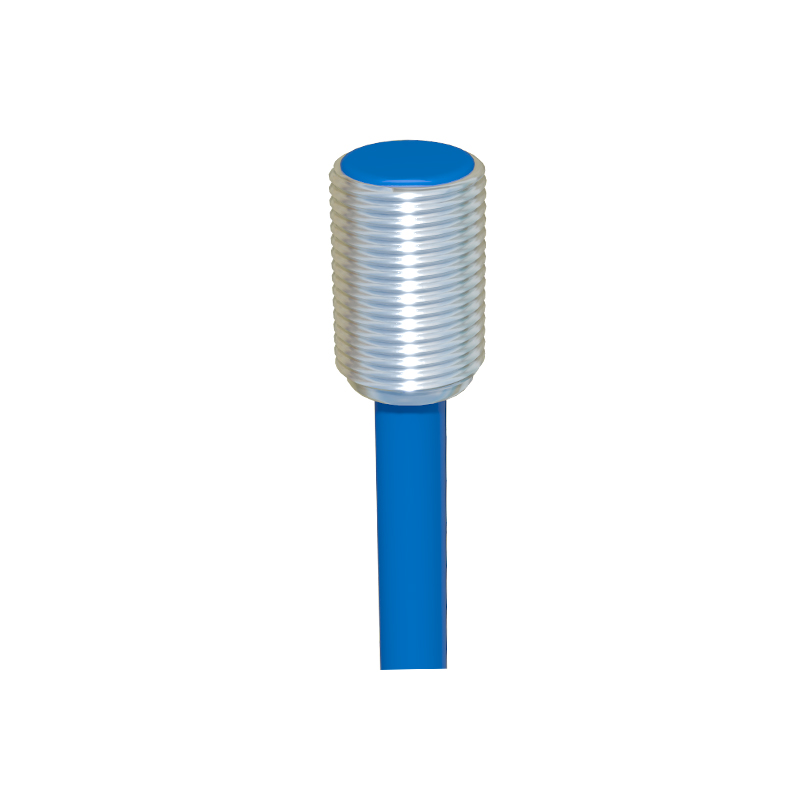
Beyond basic connectivity, modern proximity sensor connectors enable enhanced system functionality and maintenance efficiency. Pre-wired, molded connectors reduce installation time and improve seal integrity. Connectors with LED indicators provide visual status feedback for quick troubleshooting. The trend toward IO-Link technology, a point-to-point serial communication protocol, utilizes standard M12 connectors to not only transmit power and signals but also enable bidirectional data exchange for parameter setting, device identification, and advanced diagnostics. This transforms a simple sensor into a smart, communicative device, with the connector serving as the gateway for this digital intelligence.
In practice, the correct installation and maintenance of these connectors are as important as their selection. Proper torque should be applied to threaded couplings to avoid damage. Cables must be clamped securely to prevent pull-out forces from stressing the electrical terminations. Regular inspections for signs of corrosion, cracked housings, or bent pins are essential preventive measures. In harsh environments, choosing connectors with higher IP ratings and chemical-resistant materials can significantly extend the service life of the entire sensor assembly.
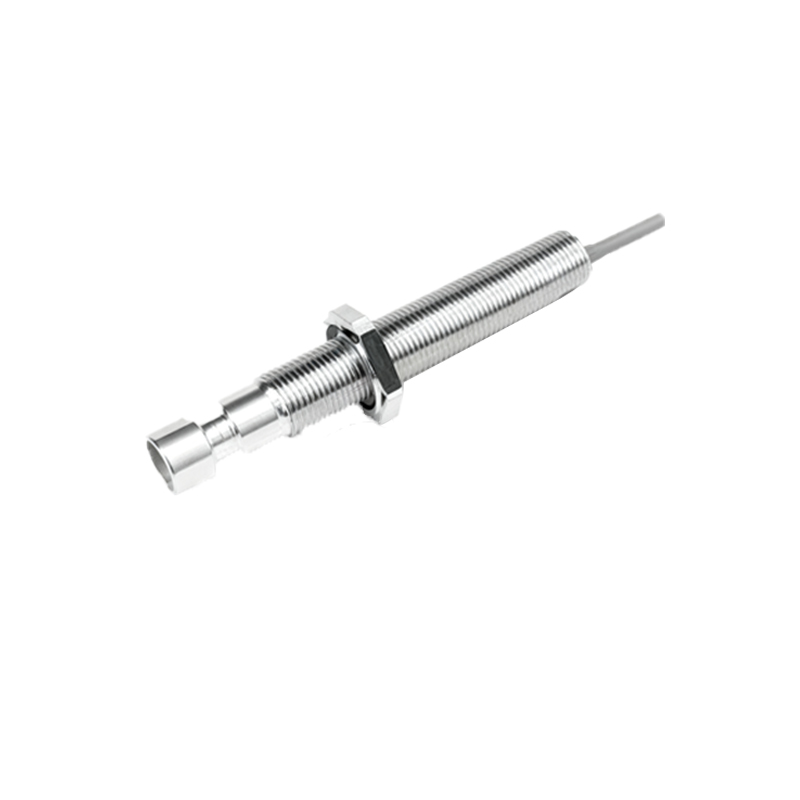
In conclusion, the proximity sensor connector is far more than a simple plug. It is an engineered component critical for ensuring signal integrity, system resilience, and operational continuity in automated processes. Its role in facilitating reliable communication between sensors and controllers forms the backbone of modern industrial sensing networks. As automation evolves toward greater connectivity and intelligence, the design and application of these connectors will continue to advance, solidifying their status as indispensable components in the industrial ecosystem. A meticulous approach to their specification, installation, and upkeep is a direct investment in system performance and longevity.