Proximity sensors are indispensable components in modern industrial automation, offering non-contact detection of objects with high precision and reliability. These devices are widely utilized across various industries due to their ability to operate in harsh environments, resist contamination, and provide fast response times. Unlike mechanical switches, proximity sensors eliminate physical contact, reducing wear and tear and minimizing maintenance requirements. This article explores the primary equipment and applications where proximity sensors play a critical role, along with essential factors for selecting the right sensor for specific operational needs.
One of the most common applications of proximity sensors is in conveyor systems. In manufacturing and logistics, conveyors transport materials, parts, and products through assembly lines, packaging stations, and distribution centers. Inductive proximity sensors are frequently employed to detect the presence or absence of metal objects on conveyor belts. For instance, they can identify when a metal component reaches a specific point, triggering subsequent actions such as sorting, counting, or halting the conveyor for processing. Capacitive proximity sensors, on the other hand, are suitable for non-metallic materials like plastics, wood, or liquids, making them ideal for industries such as food and beverage or pharmaceuticals where diverse materials are handled.
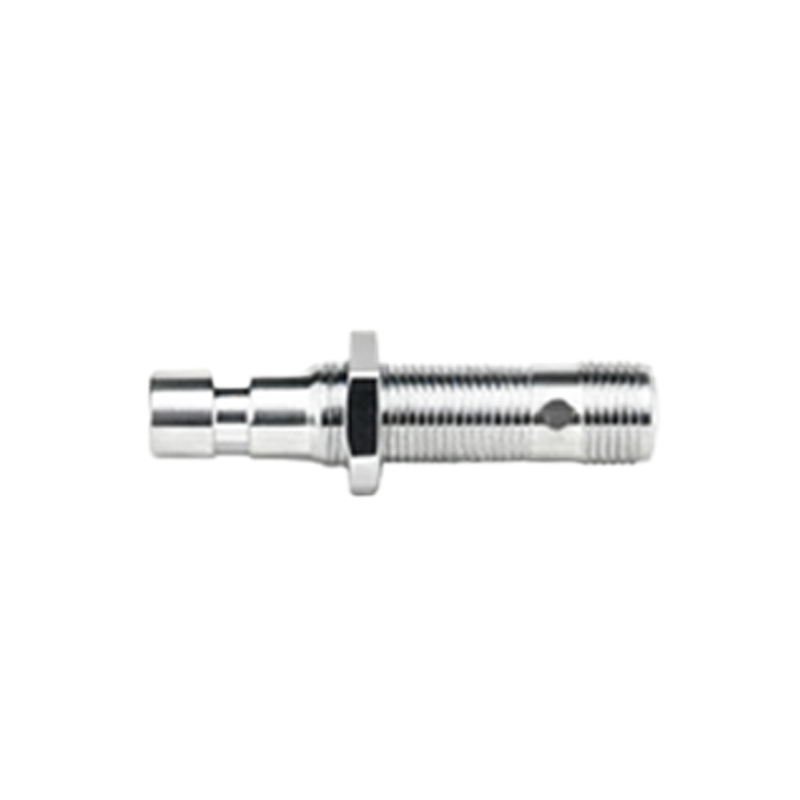
Robotic systems heavily rely on proximity sensors for precise positioning and obstacle avoidance. In automated guided vehicles (AGVs) and robotic arms, sensors ensure safe navigation and accurate manipulation of objects. Magnetic proximity sensors, for example, are used to detect the position of AGVs along predefined paths by sensing magnetic markers embedded in the floor. Ultrasonic proximity sensors provide distance measurement capabilities, enabling robots to gauge the proximity of objects and adjust movements accordingly. This enhances efficiency in tasks like pick-and-place operations, welding, and assembly, where spatial accuracy is paramount.
Machine tools and CNC equipment integrate proximity sensors to monitor tool position, detect part presence, and prevent collisions. In milling machines, lathes, and grinders, inductive sensors verify the correct placement of workpieces or tools, ensuring operational safety and reducing downtime due to errors. Additionally, these sensors can be used for end-of-travel detection in linear actuators or cylinders, signaling when a moving part has reached its limit. This functionality is crucial in maintaining the integrity of mechanical systems and preventing damage from overtravel.
In the automotive industry, proximity sensors are embedded in various stages of production, from stamping and welding to painting and assembly. They monitor the position of vehicle frames on production lines, verify the installation of components like doors or engines, and ensure quality control by detecting defects. For example, in paint shops, sensors must withstand high temperatures and chemical exposure, requiring specialized housings and materials. The durability of proximity sensors makes them suitable for such demanding environments, contributing to streamlined manufacturing processes and consistent output.
Packaging machinery also benefits from proximity sensor technology. Sensors detect the presence of containers, lids, or labels on high-speed packaging lines, enabling precise filling, capping, and labeling operations. Photoelectric proximity sensors, which use light beams to detect objects, are particularly effective in transparent or reflective material handling. They ensure that packages are properly sealed and labeled before proceeding to the next stage, reducing waste and improving overall efficiency. In food packaging, sensors must comply with hygiene standards, often featuring stainless steel housings and easy-clean designs.
When selecting proximity sensors for specific equipment, several criteria must be considered to ensure optimal performance. First, the sensing range—the maximum distance at which the sensor can detect an object—should align with the application's requirements. Factors such as target material, size, and environmental conditions (e.g., temperature, humidity, or exposure to dust and liquids) influence this choice. For instance, inductive sensors typically have shorter ranges for metals, while ultrasonic sensors offer longer ranges for various materials.
Second, the output type of the sensor—whether digital (e.g., NPN or PNP) or analog—determines how it interfaces with control systems like PLCs. Digital outputs provide simple on/off signals, suitable for presence detection, while analog outputs deliver continuous data, useful for distance measurement. The power supply voltage (commonly 12-24V DC) must also match the system's electrical specifications to avoid compatibility issues.
Third, environmental robustness is critical. Sensors used outdoors or in industrial settings may require ingress protection (IP) ratings to resist dust and water. High-temperature applications, such as near furnaces or welding stations, necessitate sensors with extended thermal tolerances. Additionally, in corrosive environments, materials like nickel-plated brass or PTFE coatings enhance longevity.
Finally, installation and maintenance considerations should not be overlooked. Proximity sensors come in various form factors—tubular, rectangular, or ring-shaped—to fit different mounting configurations. Regular calibration and testing are essential to maintain accuracy, especially in precision-critical applications like robotics or medical device manufacturing.
In summary, proximity sensors are vital for enhancing