Proximity sensors are a fundamental component in modern automation and electronics, operating silently and efficiently in countless applications. Unlike traditional mechanical switches, these sensors detect the presence or absence of an object without any physical contact. This non-contact operation is their defining characteristic, leading to benefits like reduced wear, higher reliability, and faster response times. The core principle involves emitting a field or beam of electromagnetic radiation and looking for changes in the field or the return signal. The target object itself becomes the actuator, eliminating the need for a physical bump or press.
The technology behind these sensors is diverse, with several main types dominating the market. Inductive proximity sensors are one of the most common. They generate an oscillating electromagnetic field. When a metallic object enters this field, it induces eddy currents within the metal, which dampens the oscillation of the sensor's own circuit. This damping effect is detected, triggering a solid-state output switch. These sensors are ideal for detecting metals and are widely used in machine automation, such as counting metal parts on a conveyor or confirming the position of a robotic arm.
Capacitive proximity sensors, on the other hand, can detect both metallic and non-metallic materials, including liquids, plastics, wood, and glass. They function by generating an electrostatic field. Any object that enters this field alters the capacitance of the sensor's circuit. The sensor detects this change in capacitance and activates its output. This makes them perfect for applications like liquid level detection in tanks, material handling for non-metallic goods, or even as touch-sensitive buttons on interfaces.
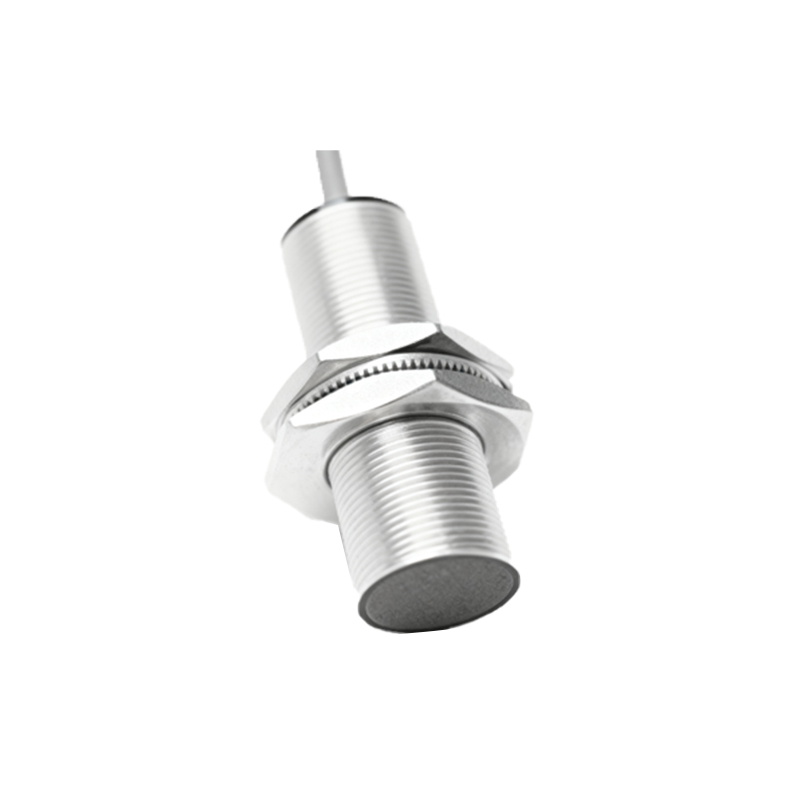
Ultrasonic sensors use a different approach altogether. They emit high-frequency sound waves (inaudible to humans) and measure the time it takes for the echo to return after bouncing off a target object. By calculating this "time-of-flight," the sensor can determine not only presence but also distance. This makes them excellent for precise distance measurement, object level sensing in harsh environments (where dust or vapor might obscure optical sensors), and even parking assistance systems in vehicles.
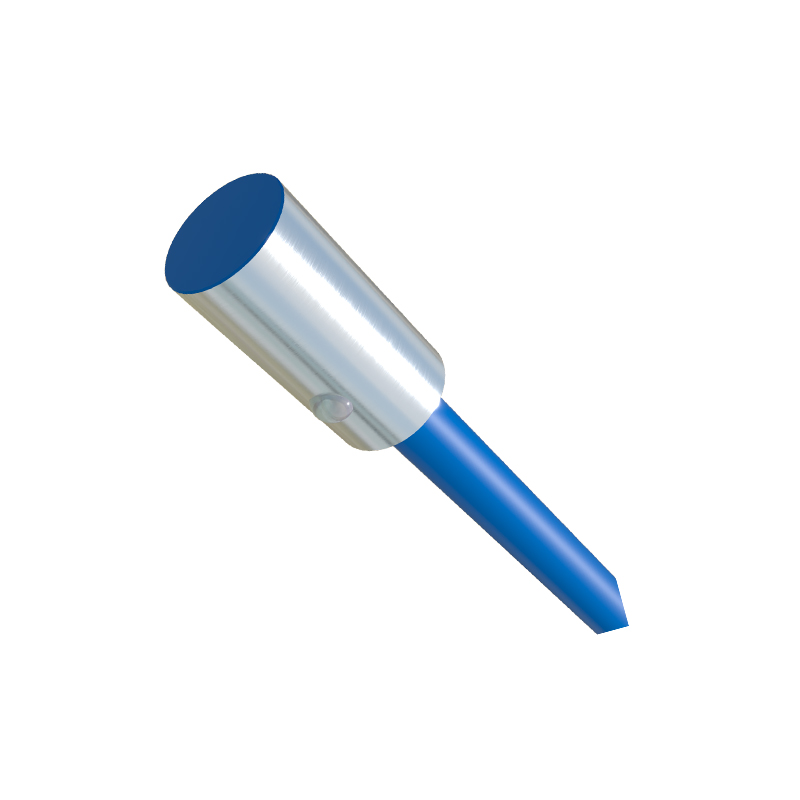
Photoelectric sensors, another major category, operate using light. An emitter sends out a beam of light (often infrared, visible red, or laser), and a receiver detects it. The sensing occurs when the target object either interrupts this beam (through-beam mode), reflects it back to a receiver housed in the same unit (retro-reflective mode), or diffusely reflects the light (diffuse mode). They are incredibly versatile, used for long-range detection, sensing small or transparent objects, and in clean environments where physical contact is undesirable.
The applications for proximity sensors are virtually limitless. In the consumer electronics space, they are the reason your smartphone screen turns off when you hold it to your ear during a call, saving battery and preventing accidental screen presses. In industrial manufacturing, they form the backbone of automated assembly lines, providing precise positional feedback for robots, monitoring production counts, and ensuring safety by detecting if a guard door is open. The automotive industry relies on them for parking sensors, collision avoidance systems, and detecting the position of gear selectors. Even in everyday appliances, they can be found in touchless faucets and automatic soap dispensers, promoting hygiene.
Selecting the right proximity sensor requires careful consideration of several factors. The nature of the target material (metal, plastic, liquid) dictates whether an inductive, capacitive, or other type is needed. The required sensing distance, environmental conditions (like temperature, dust, or moisture), output type (digital or analog), and electrical requirements are all critical parameters. Proper installation is also key; sensors must be mounted correctly to avoid interference from surrounding metal or other sensors, a phenomenon known as "mutual interference."
As technology advances, proximity sensors are becoming smarter, smaller, and more integrated. Modern sensors often include built-in diagnostics, IO-Link communication for advanced data exchange, and increased resistance to environmental challenges. They are essential enablers of the Internet of Things (IoT) and Industry 4.0, providing the critical data points needed for smart, responsive systems. From enabling simple automation to facilitating complex robotic vision, the humble proximity sensor remains an indispensable tool, bridging the gap between the physical and digital worlds with silent, reliable efficiency.