In controlled environments where even the slightest particle can compromise integrity, cleanroom door proximity sensors play a pivotal role. These specialized devices are far more than simple automatic door triggers; they are critical components in maintaining the stringent contamination control and safety protocols required in pharmaceuticals, biotechnology, semiconductor manufacturing, and aerospace facilities.
The core function of a cleanroom proximity sensor is to detect the presence of personnel or equipment near a doorway without physical contact. This non-contact operation is fundamental. By eliminating the need to push a button or touch a handle, the sensor prevents a primary vector for contamination transfer. Users can pass through doors hands-free, maintaining the sterile environment within. Modern sensors typically employ technologies like passive infrared (PIR), microwave, or ultrasonic detection. Each technology offers distinct advantages. PIR sensors detect body heat and movement, making them energy-efficient and reliable for human traffic. Microwave sensors emit low-power waves and detect reflections from moving objects, offering high sensitivity and the ability to "see" through thin non-metallic materials, which can be useful for certain door designs. Ultrasonic sensors emit sound waves and are excellent for detecting any object, regardless of material or temperature.
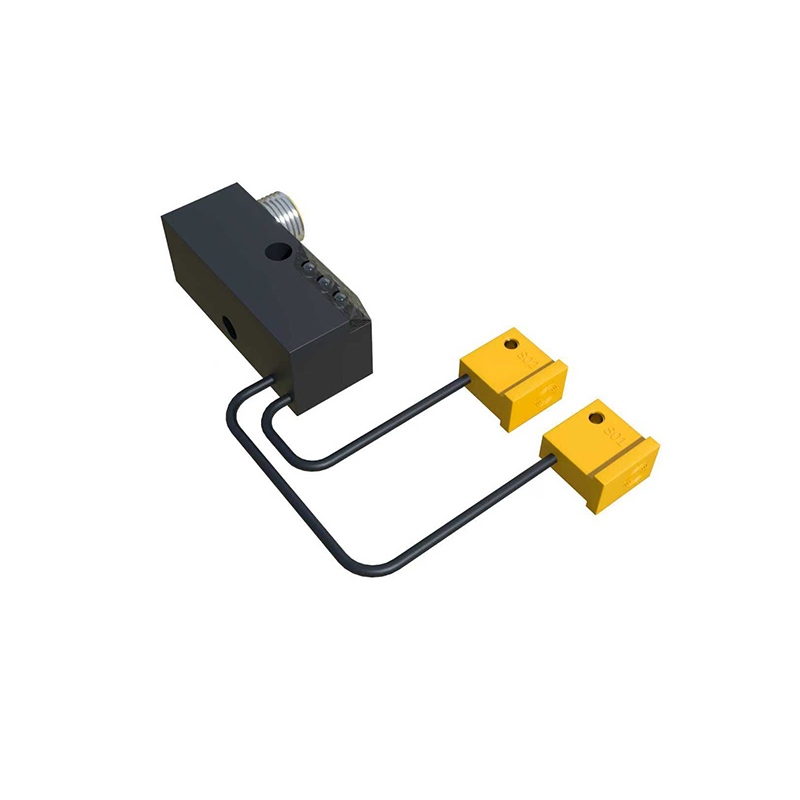
However, the true value of a cleanroom-grade sensor lies in its design and construction. Unlike standard industrial sensors, they are built to withstand rigorous cleaning regimens involving harsh chemicals, high-pressure sprays, and frequent wipe-downs. Housings are typically made from high-grade stainless steel (such as 316L) or robust plastics with smooth, crevice-free surfaces that resist particle accumulation and bacterial growth. The sealing is paramount, often achieving IP65, IP66, or higher ratings to be dust-tight and protected against powerful water jets, ensuring internal electronics remain uncontaminated and functional.
Integration is another key aspect. These sensors do not operate in isolation. They are seamlessly integrated into the cleanroom's overall control system. This allows for sophisticated operational logic. For instance, a sensor can be programmed to work in tandem with airlock interlock systems, ensuring only one door opens at a time to prevent cross-contamination between zones of different cleanliness classes (e.g., ISO Class 7 to ISO Class 5). They can also interface with building management systems to log traffic, monitor door cycle counts for maintenance forecasting, and even control ambient pressure differentials by coordinating with HVAC systems when a door is activated.
Safety is a non-negotiable parallel to contamination control. Advanced proximity sensors incorporate safety features to protect personnel. They ensure doors open smoothly and predictably to avoid collisions. Many systems include redundant detection zones or "safety edges" — flexible strips along the door edge that stop and reverse motion upon the slightest contact. Furthermore, sensors are calibrated to distinguish between intentional approach and mere loitering, preventing unnecessary door cycles that could disrupt airflow patterns and energy efficiency.
The selection process for the right sensor requires careful consideration of several factors. The cleanliness class of the room (ISO 14644-1 standards) dictates the required hygiene level of the sensor housing. The type of traffic (personnel only, or carts and equipment) influences the choice of detection technology and range. Environmental conditions like temperature, humidity, and potential exposure to specific chemicals must also be factored in. Finally, compatibility with existing door operators and facility control systems is essential for a smooth installation.
Looking ahead, the evolution of cleanroom door sensors is intertwined with Industry 4.0. The next generation includes sensors with embedded intelligence and IoT connectivity. These smart sensors can provide real-time diagnostic data, predict maintenance needs before failure, and offer finer control over door speed and opening based on the detected approach pattern. This data-driven approach further optimizes both contamination control and operational efficiency.
In conclusion, cleanroom door proximity sensors are sophisticated guardians of critical environments. By enabling reliable, hands-free access, they form a vital barrier against contamination while enhancing workflow and safety. Their specialized design, seamless integration, and evolving intelligence make them indispensable in preserving the pristine conditions upon which high-tech industries and sensitive research depend. Investing in high-quality, appropriately specified sensors is not merely a purchase of hardware but a fundamental commitment to product quality and personnel safety.