In the rapidly evolving industrial landscape of Guangming District, proximity sensor switches have emerged as critical components for enhancing automation, safety, and efficiency. These non-contact sensing devices detect the presence or absence of objects without physical interaction, making them indispensable in manufacturing, logistics, and robotics applications. Their adoption in Guangming District reflects the region's commitment to technological advancement and smart industrial practices.
Proximity sensor switches operate on various principles, including inductive, capacitive, and magnetic sensing. Inductive sensors are widely used for detecting metallic objects, leveraging electromagnetic fields to sense ferrous and non-ferrous materials. In Guangming District's electronics and machinery sectors, these sensors ensure precise positioning in assembly lines, reducing downtime and minimizing errors. Capacitive sensors, on the other hand, can detect both metallic and non-metallic materials, such as plastics or liquids, making them versatile for packaging and material handling systems. Magnetic sensors offer robust performance in harsh environments, commonly applied in automotive and heavy machinery industries within the district.
The advantages of proximity sensor switches are manifold. Their non-contact nature eliminates mechanical wear, leading to longer operational lifespans and reduced maintenance costs. In Guangming District's high-throughput facilities, this reliability translates to consistent production quality and fewer interruptions. Additionally, these sensors provide fast response times, often in milliseconds, enabling real-time control in automated processes. For instance, in robotic arms used for precision welding or assembly, proximity switches ensure accurate object detection, enhancing both speed and safety.
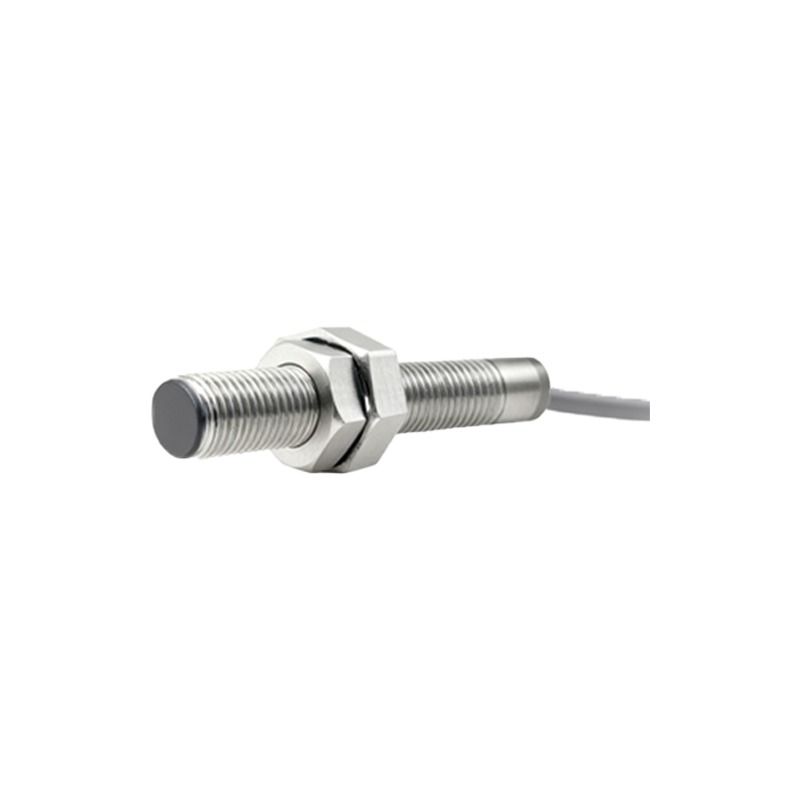
Environmental resilience is another key benefit. Many proximity sensors in Guangming District are designed with IP67 or higher ratings, offering protection against dust, moisture, and temperature fluctuations. This durability is crucial for outdoor logistics operations or chemical processing plants where conditions can be challenging. Moreover, the integration of these sensors with IoT (Internet of Things) platforms allows for data collection and predictive maintenance. By monitoring sensor performance, companies in Guangming District can anticipate failures and optimize workflows, contributing to the district's smart manufacturing initiatives.
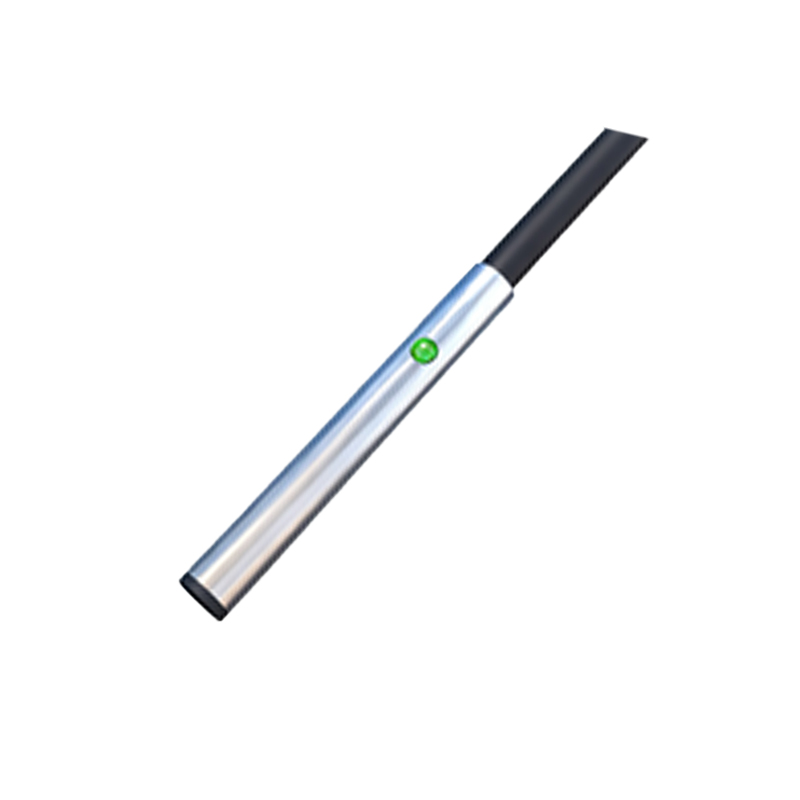
Installation and calibration of proximity sensor switches require technical expertise to maximize their efficacy. Factors such as sensing range, material composition, and electrical interference must be considered. In Guangming District, engineers often collaborate with suppliers to tailor solutions for specific applications, ensuring seamless integration with existing control systems like PLCs (Programmable Logic Controllers). Regular training and adherence to international standards, such as IEC 60947-5-2, further support the district's reputation for quality and innovation.
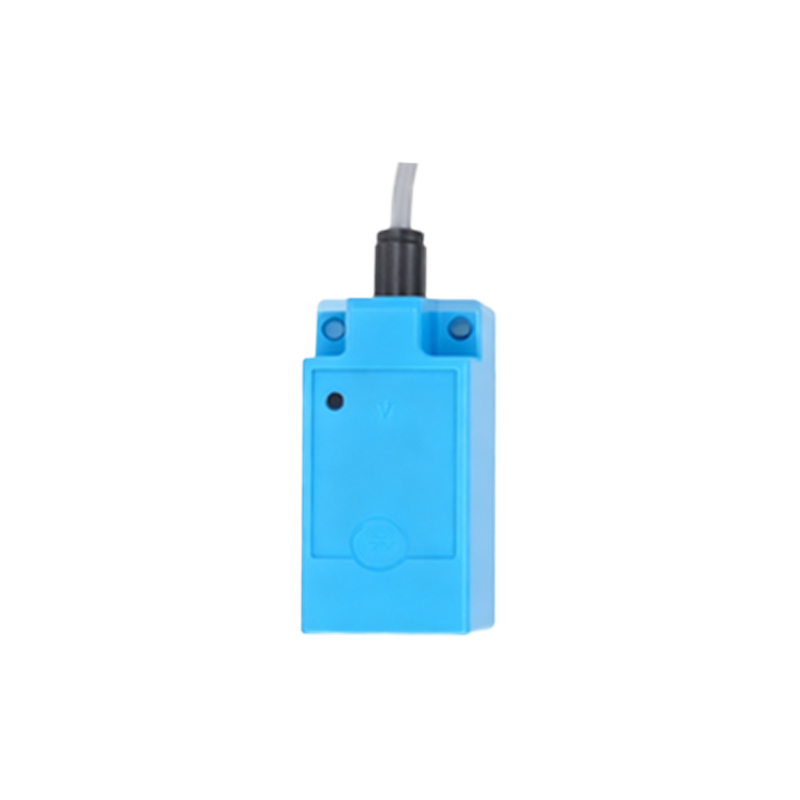
Looking ahead, the future of proximity sensor switches in Guangming District is intertwined with trends like Industry 4.0 and AI-driven automation. Advances in miniaturization and wireless connectivity are paving the way for more compact and flexible sensor networks. As the district continues to attract investment in tech-driven industries, the demand for high-precision, energy-efficient sensors is expected to grow. By leveraging these technologies, Guangming District can strengthen its position as a hub for advanced manufacturing, fostering economic growth and sustainability.
In summary, proximity sensor switches are vital tools in Guangming District's industrial ecosystem, offering precision, durability, and adaptability. Their role in automating complex processes underscores the district's forward-thinking approach to engineering and production. As industries evolve, these sensors will remain at the forefront, driving innovation and efficiency in one of China's key economic regions.