Inductive proximity sensors are indispensable components in modern industrial automation, offering non-contact detection of metallic objects with high reliability and precision. As the demand for smarter, more efficient manufacturing processes grows, selecting the right brand of inductive proximity sensors becomes critical for system performance and longevity. This article explores leading brands in the market, highlighting their technological innovations, product ranges, and industry applications.
Among the foremost brands, Sick AG stands out for its robust sensor solutions tailored to harsh environments. Sick's inductive sensors feature advanced designs such as factor-1 housing for universal mounting and IO-Link compatibility for seamless integration into Industry 4.0 setups. Their sensors are widely used in automotive assembly lines and packaging machinery, where durability and accuracy are paramount. Another key player, Pepperl+Fuchs, excels in providing high-precision sensors with exceptional resistance to electromagnetic interference. The brand's portfolio includes cylindrical and rectangular sensors with extended sensing ranges, ideal for metal detection in logistics and material handling systems. Pepperl+Fuchs also emphasizes global certification standards, ensuring compliance with international safety regulations.
Omron Corporation is renowned for its innovation in miniaturized inductive sensors, which save space without compromising performance. Omron's E2E series, for example, offers compact models with embedded diagnostics for predictive maintenance. These sensors are prevalent in electronics manufacturing and robotics, enabling precise positioning and part verification. Similarly, Balluff GmbH delivers versatile solutions through its BALLUFF inductive sensors, known for high switching frequencies and temperature stability. Balluff's products often incorporate smart features like condition monitoring, reducing downtime in automotive and food processing industries.
For applications requiring extreme durability, Turck provides inductive sensors with stainless steel housings and high ingress protection ratings. Turck's sensors are designed to withstand corrosive chemicals, vibrations, and temperature fluctuations, making them suitable for heavy industries like mining and steel production. Additionally, ifm electronic focuses on user-friendly sensors with intuitive setup processes. ifm's inductive sensors feature LED indicators for quick status checks and plug-and-play connectivity, streamlining installation in conveyor systems and automated warehouses.
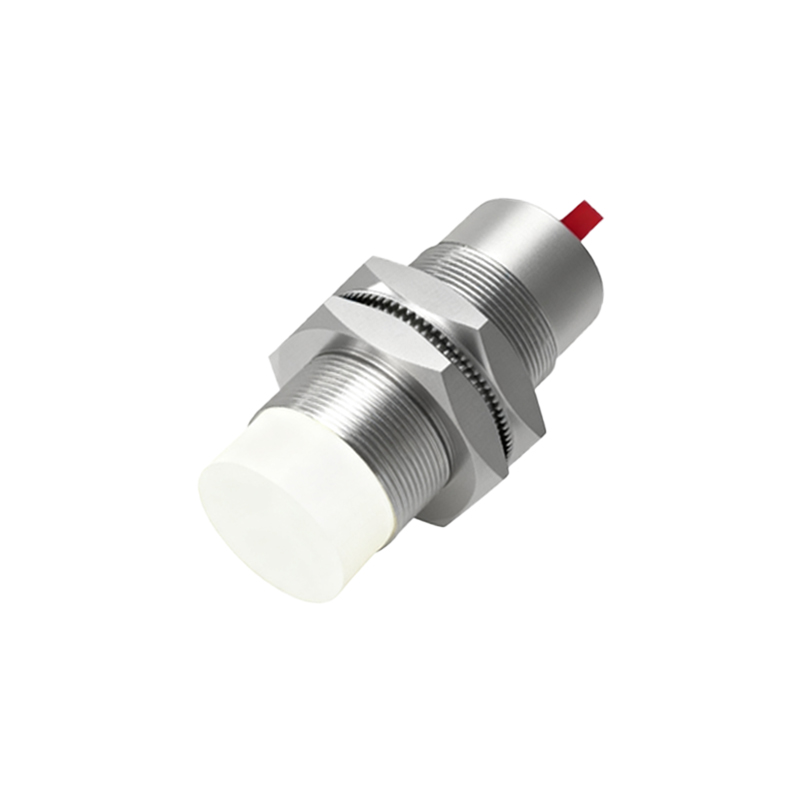
Emerging trends in inductive proximity sensors include the integration of IIoT capabilities, allowing real-time data collection for analytics and optimization. Brands like Sick and Pepperl+Fuchs are pioneering sensors with embedded intelligence, enabling predictive maintenance and energy efficiency. When selecting a brand, engineers should consider factors such as sensing distance, output type (e.g., PNP/NPN), housing material, and environmental certifications. For instance, in washdown areas of pharmaceutical plants, sensors with IP69K ratings from brands like Balluff or Turck are essential to resist high-pressure cleaning.
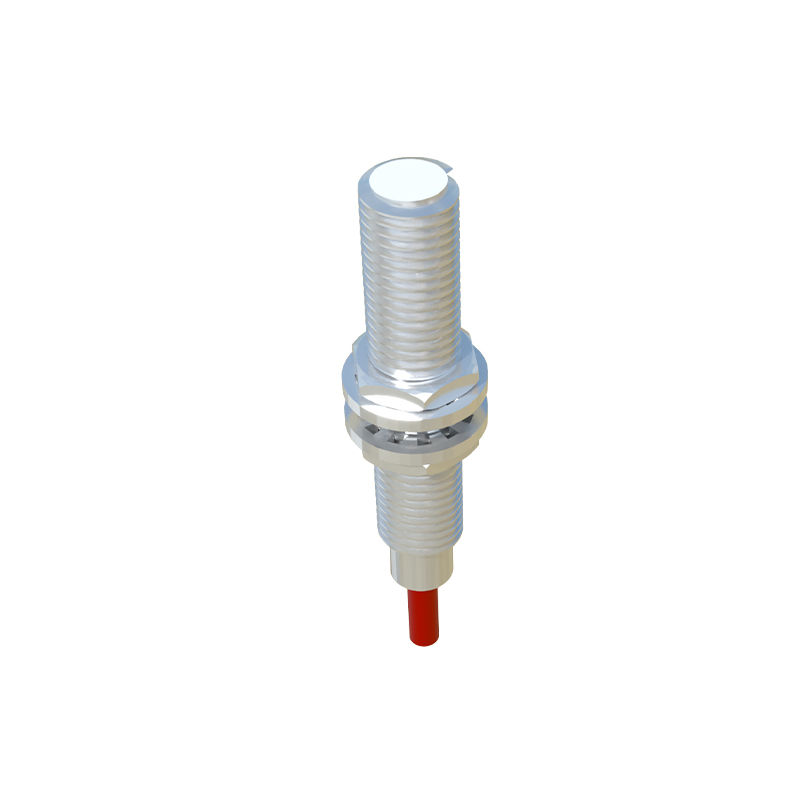
In conclusion, the choice of inductive proximity sensor brand significantly impacts automation system reliability. Leading brands combine technological expertise with industry-specific adaptations, offering solutions that enhance productivity and safety. As industries evolve toward digitalization, these brands continue to innovate, ensuring their sensors meet the demands of next-generation smart factories.