In industrial automation and control systems, proximity sensors play a critical role in detecting the presence or absence of objects without physical contact. Among various types, NPN proximity sensors are widely used due to their compatibility with many programmable logic controllers (PLCs) and electronic circuits. However, distinguishing NPN sensors from other types, such as PNP, can be challenging for beginners and professionals alike. This article provides a clear guide on how to identify and differentiate NPN proximity sensors effectively.
First, it is essential to understand the basic principle of NPN sensors. NPN stands for Negative-Positive-Negative, referring to the transistor configuration used in the sensor's output circuit. In an NPN sensor, the output transistor switches the negative (ground) side of the load. When the sensor detects an object, it allows current to flow from the load to ground, effectively "sinking" the current. This is why NPN sensors are often called "sinking" sensors. To distinguish them, check the wiring diagram or datasheet: NPN sensors typically have three wires—brown (positive), blue (negative), and black (output). The black wire connects to the load, and when active, it connects the load to ground (blue wire).
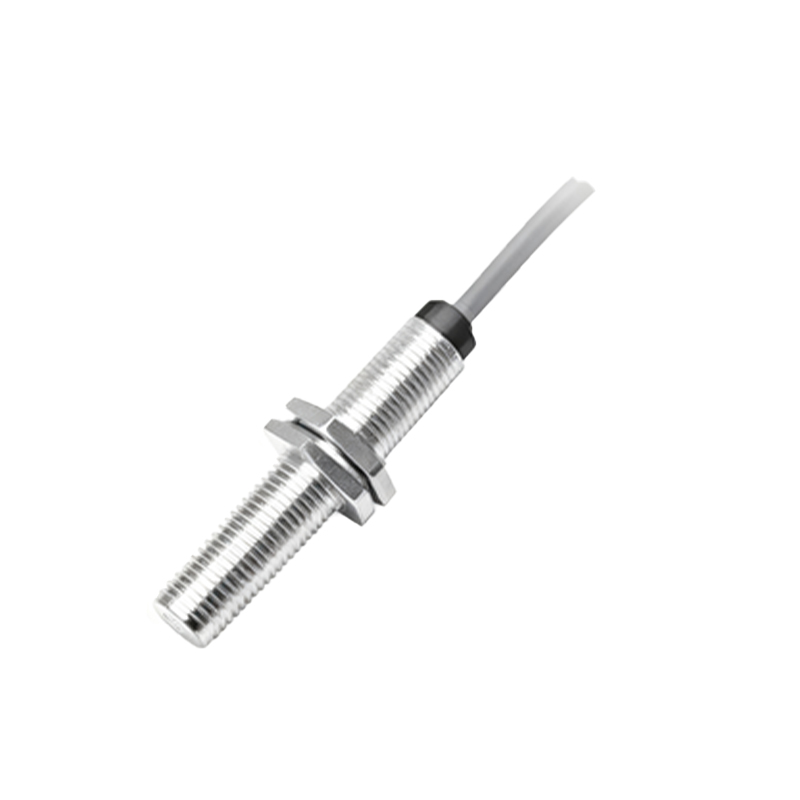
One practical method to differentiate NPN sensors is by using a multimeter. Set the multimeter to measure voltage or continuity. Connect the sensor to its power supply (usually 10-30V DC), with brown to positive and blue to negative. Then, place a metal object within the sensing range. Measure the voltage between the black output wire and the blue negative wire. For an NPN sensor, the voltage should drop to near zero when activated, indicating the output is sinking current. In contrast, a PNP sensor would show a voltage rise toward the supply level. This hands-on test is reliable and straightforward, even in field conditions.
Another key aspect is the sensor's labeling and documentation. Manufacturers often mark NPN sensors with specific codes or symbols on the housing. Look for abbreviations like "NPN," "SNK" (for sinking), or "N.O./N.C." (normally open/normally closed) indications that align with NPN behavior. Additionally, review the part number: many product series include "N" or "NPN" in the model name. For example, a sensor labeled "E2E-X1N" likely indicates an NPN type. Always cross-reference with the manual to avoid errors, as some sensors support both NPN and PNP configurations via selectable outputs.
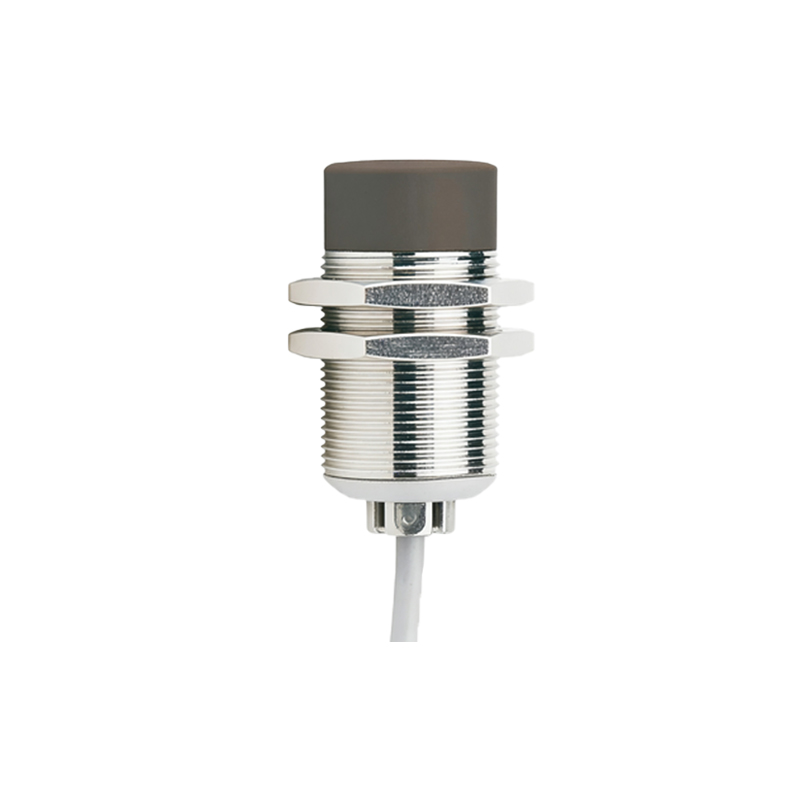
Understanding the application context also aids in distinction. NPN sensors are commonly used in systems where the control logic requires a ground signal for activation, such as in Japanese or European-made PLCs. If you are integrating a sensor into an existing setup, check the PLC input module specifications: NPN-compatible inputs typically connect to sinking outputs. Mis matching sensor and input types can lead to malfunction or damage, so verifying compatibility is crucial. In practice, many modern sensors offer dual-output options, but traditional NPN types remain prevalent in cost-sensitive or legacy installations.
Finally, consider the sensor's output state when idle. For an NPN normally open (NO) sensor, the output is disconnected (high impedance) when no object is detected, and it connects to ground when activated. This behavior contrasts with PNP sensors, which source current to the load. By observing the sensor's response with a simple LED test circuit—connecting an LED and resistor between the output and positive supply—you can visually confirm the type: an NPN sensor will light the LED when active only if the LED's anode is to positive and cathode to the output. This intuitive method reinforces theoretical knowledge with practical verification.
In summary, distinguishing NPN proximity sensors involves examining wiring, testing with tools like multimeters, reading labels, and understanding system requirements. By mastering these techniques, engineers and technicians can ensure correct sensor selection and reliable operation in diverse industrial environments. Always prioritize safety and consult manufacturer guidelines when in doubt, as proper identification enhances efficiency and prevents costly errors.