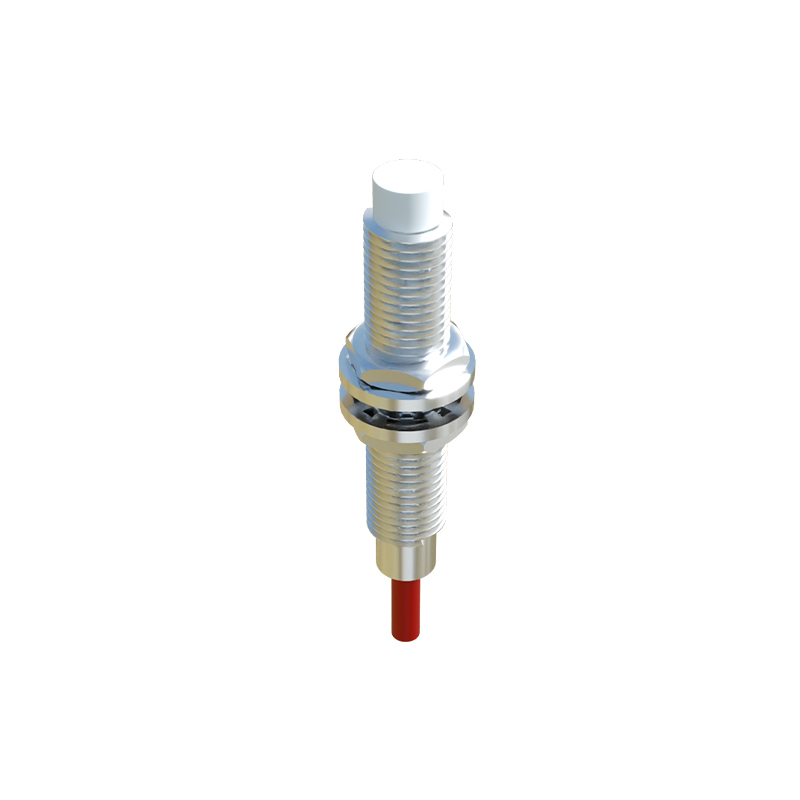
In the realm of industrial automation and control systems, proximity switches play a pivotal role in detecting the presence or absence of objects without physical contact. Among the various sensing technologies available, magnetic sensors, particularly those based on magneto-sensitive elements, offer robust and reliable solutions for challenging environments. This article delves into the operational principles, key characteristics, diverse applications, and critical selection criteria for magnetic proximity sensors.
At the core of a magnetic proximity sensor is a magneto-sensitive component, such as a reed switch, Hall-effect sensor, or magnetoresistive element. These components react to changes in a magnetic field. The most common configuration involves a sensor body housing the electronic circuitry and a separate actuating magnet. When a ferromagnetic target (like a steel plate) or the actuating magnet itself moves into the sensor's detection range, it alters the local magnetic field. This change is detected by the magneto-sensitive element, which triggers a switching action in the sensor's output circuit. For instance, a Hall-effect sensor generates a voltage differential when exposed to a magnetic field, which is then processed by integrated electronics to produce a clean digital ON/OFF signal.
The advantages of magnetic proximity sensors are numerous. They are inherently immune to common industrial nuisances such as dust, dirt, oil, and moisture, making them ideal for harsh conditions in manufacturing, automotive, and heavy machinery applications. Unlike optical sensors, they are not affected by ambient light or opaque contaminants. Their non-contact nature ensures virtually wear-free operation, leading to exceptional longevity and reduced maintenance. Furthermore, they can detect objects through non-ferromagnetic materials like plastic, glass, or aluminum, enabling innovative mounting and sensing solutions.
Applications for these sensors are vast and varied. In factory automation, they are extensively used for position detection of cylinders in pneumatic and hydraulic systems, often via a magnet embedded in the piston. They serve as limit switches on conveyors, rotary encoders for speed monitoring, and in safety interlocks on guards and doors. The automotive industry relies on them for gearbox position sensing, seat belt detection, and brake pedal position. Beyond industry, they are found in consumer electronics (e.g., laptop lid closure detection), medical devices, and building automation for window/door status monitoring.
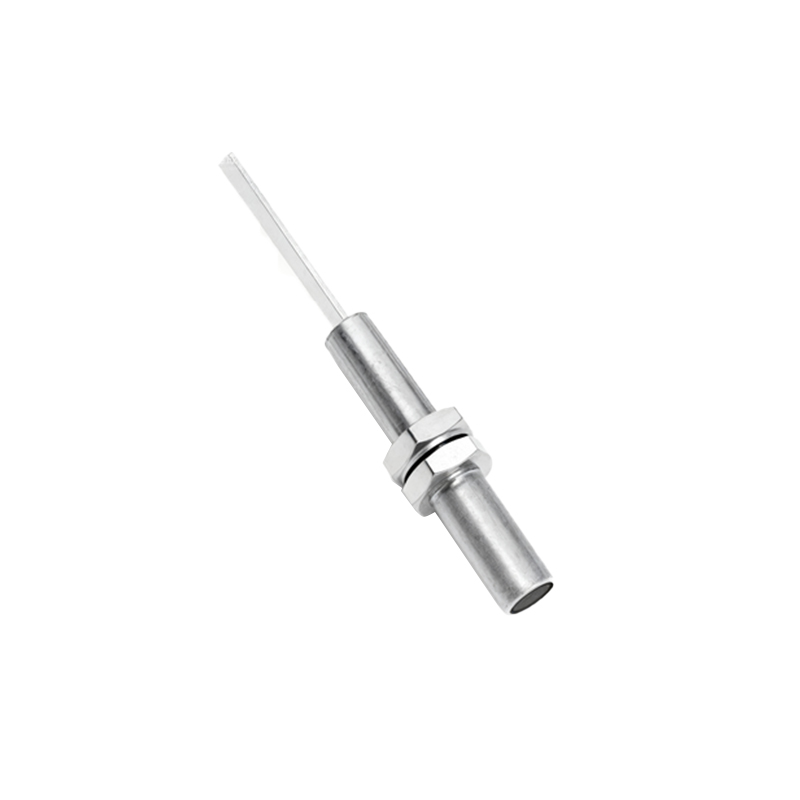
Selecting the right magnetic proximity sensor requires careful consideration of several parameters. First, the sensing distance, which is typically shorter than inductive sensors, must be sufficient for the application while accounting for tolerances. The type of output (PNP/NPN, NO/NC, analog, or IO-Link) must be compatible with the controller (PLC). Environmental ratings, notably the Ingress Protection (IP) code for dust and water resistance and temperature range, are critical. The switching frequency must meet the speed requirements of the application. For cylinder sensing, the sensor must be compatible with the cylinder's magnetic field strength and mounting style. Lastly, electrical characteristics like supply voltage, current consumption, and short-circuit protection should align with the system's design.
In conclusion, magnetic proximity sensors are indispensable components in modern electromechanical systems. Their robustness, reliability, and versatility make them the preferred choice for position and movement detection in demanding environments. By understanding their working principle and carefully matching sensor specifications to application needs, engineers can ensure optimal performance, enhanced safety, and improved efficiency in automated processes. As technology advances, we see trends towards miniaturization, increased intelligence with diagnostic capabilities via IO-Link, and higher precision, further expanding their utility in the evolving landscape of industrial IoT and smart manufacturing.