In the rapidly evolving landscape of industrial automation, laser area sensors have emerged as a pivotal technology for enhancing safety, precision, and efficiency. Unlike traditional single-point sensors, these devices project a two-dimensional plane or curtain of laser light, creating a defined monitoring zone. This capability makes them indispensable for a wide range of applications, from safeguarding personnel around hazardous machinery to ensuring accurate object detection and positioning on assembly lines.
The fundamental operating principle of a laser area sensor involves emitting a fan-shaped laser beam that forms a thin, invisible or visible light plane. A high-speed receiver array detects any intrusion or object breaking this plane. Advanced models utilize time-of-flight (ToF) or triangulation methods to not only detect presence but also measure distance, height, or profile of objects within the zone. This data is processed in real-time by an internal controller, which triggers predefined outputs—such as stopping a robot arm or signaling a conveyor system—ensuring seamless integration into automated processes.
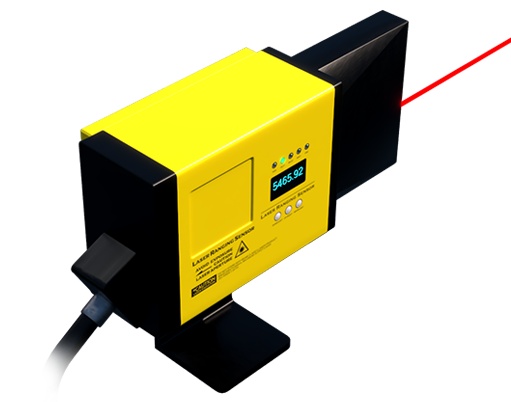
Key advantages of deploying laser area sensors are numerous. Firstly, they offer superior safety solutions. By creating a customizable protective field around dangerous areas like press brakes, welding cells, or robotic workstations, they provide non-contact, fail-safe personnel protection, often meeting stringent international safety standards like ISO 13849. Secondly, they deliver exceptional reliability in challenging industrial environments. They are largely immune to ambient light interference, dust, and vibrations that often plague photoelectric or ultrasonic sensors. Their high scanning speed and resolution allow for the detection of fast-moving or small objects that might be missed by other sensing technologies.
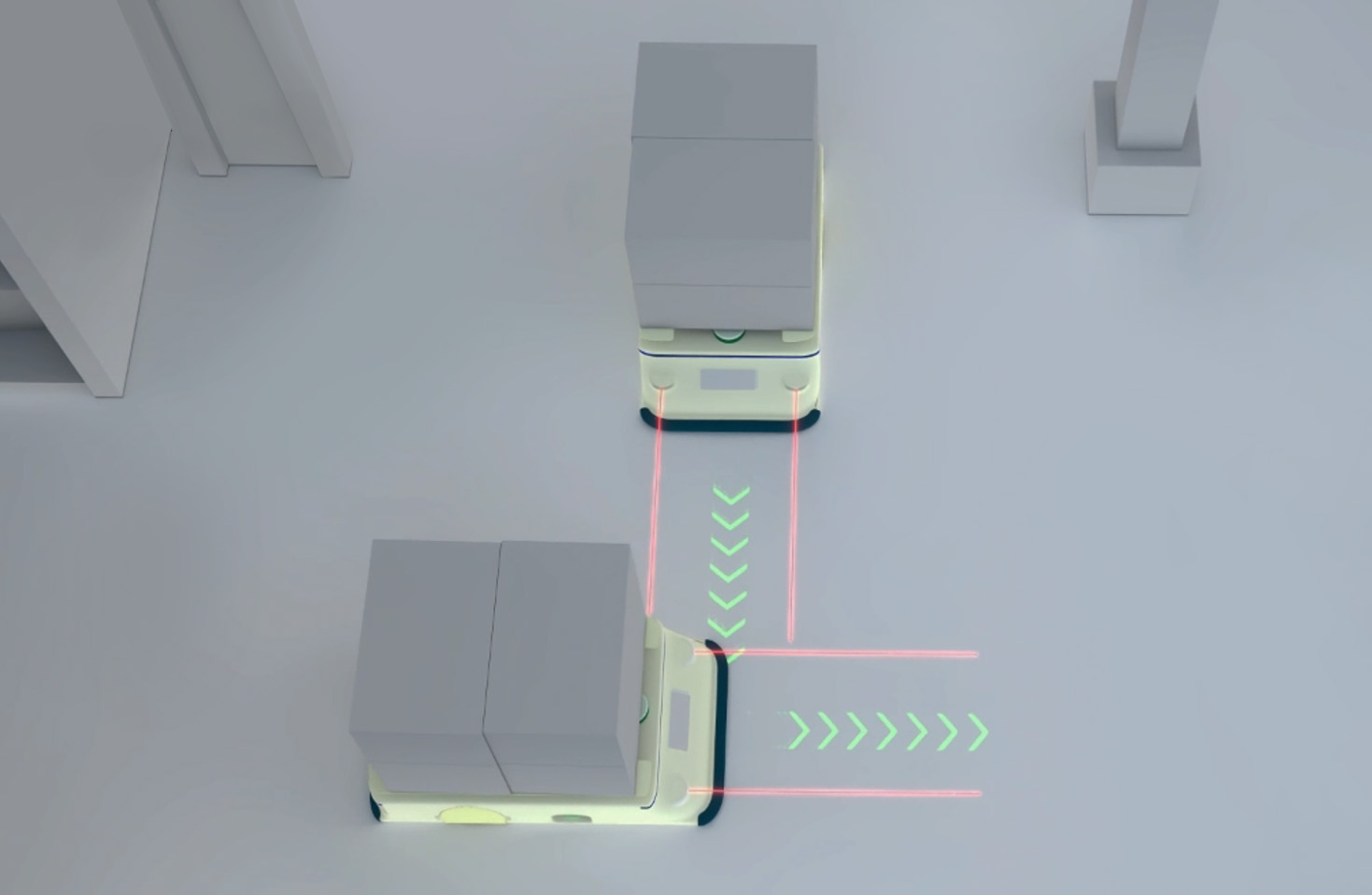
Common industrial applications are diverse. In material handling and logistics, they are used for palletizing, box dimensioning, and vehicle detection for automated guided vehicles (AGVs). In manufacturing, they facilitate precise part positioning, edge detection, and quality control inspections by verifying component presence, orientation, or height. Furthermore, they are critical in access control systems and perimeter monitoring.
When selecting a laser area sensor, engineers must consider several critical parameters. The sensing range and field of view must match the application's physical dimensions. Resolution, defined as the minimum object size detectable, is crucial for precision tasks. Response time must be fast enough to react to events within the machine's safety or process cycle. Environmental ratings (IP67, IP69K) are vital for operation in washdown or dusty areas. Finally, connectivity options (IO-Link, Ethernet/IP, PROFINET) ensure easy integration into modern industrial networks for data exchange and diagnostics.
Installation and alignment are straightforward but require attention. The sensor must be mounted securely to prevent misalignment from vibration. The protective or detection zone must be meticulously configured using teach-in functions or software to cover the exact required area, avoiding nuisance trips from irrelevant objects. Regular maintenance involves keeping the lens clean and verifying performance through functional tests.
Looking ahead, the integration of laser area sensors with Industrial Internet of Things (IIoT) platforms is a growing trend. Sensors with embedded intelligence can provide predictive analytics, monitoring their own health and the process efficiency, contributing to smarter, more adaptive factories. Innovations in multi-plane detection and 3D profiling are also expanding their capabilities beyond simple area monitoring.
In conclusion, laser area sensors represent a sophisticated and versatile sensing solution that addresses core challenges in modern industrial automation. Their ability to provide reliable, non-contact detection over a defined area makes them a cornerstone for both safety and process optimization. As technology advances, their role in enabling more flexible, efficient, and intelligent manufacturing systems will only continue to grow.