In the realm of industrial automation and control systems, proximity sensors are indispensable components. Their ability to detect the presence or absence of an object without physical contact makes them vital for countless applications, from assembly lines to safety systems. However, to select and apply these sensors effectively, a deep understanding of their key parameters is essential. This guide delves into the critical specifications of proximity sensors, explaining their meanings and implications for system design.
First and foremost is the Sensing Distance. Often denoted as Sn, this is the nominal operating distance at which the sensor reliably detects a standard target. It is crucial to note that this is not the maximum possible distance but a guaranteed value under specified conditions. Factors like target material, size, and environmental temperature can influence the actual sensing range. Engineers must always consider the derating factors, especially for inductive sensors detecting non-ferrous metals or capacitive sensors in varying humidity.
The Hysteresis specification is vital for stable operation and preventing output chatter. Hysteresis is the difference between the switch-on point (when the target approaches) and the switch-off point (when the target moves away). This differential ensures that the sensor does not oscillate between on and off states when a target is positioned near the sensing threshold. A well-defined hysteresis prevents false signals and enhances reliability in dynamic applications.
Repeatability defines the sensor's precision. It indicates the consistency with which the sensor can detect a target at the same point under unchanged conditions. High repeatability, often expressed as a percentage of the sensing distance, is critical for precision positioning and quality control applications. Poor repeatability can lead to inconsistent machine cycles and product defects.
Response Time and Switching Frequency are dynamic parameters. Response time is the delay between the sensing event and the change in output state. Switching frequency, measured in Hertz (Hz), indicates how many on/off cycles the sensor can perform per second. For high-speed applications like counting small parts on a conveyor, a fast response time and high switching frequency are non-negotiable to avoid missing events.
Output Type is a fundamental selection criterion. The main categories are:
Digital (Switch) Outputs: These include NPN (sinking) and PNP (sourcing) transistor outputs for DC sensors, and relay or solid-state outputs for AC/DC models. NPN and PNP configurations are pivotal for correct integration with PLC input cards.
Analog Outputs: These provide a continuous signal (e.g., 0-10V, 4-20mA) proportional to the distance to the target, enabling precise position monitoring.
IO-Link: This smart communication interface provides not only the switch signal but also detailed parameter data and diagnostic information, enabling predictive maintenance.
Environmental Ratings ensure durability. The Ingress Protection (IP) Rating (e.g., IP67, IP69K) defines protection against dust and water. For harsh environments like washdown areas in food processing, a high IP rating is essential. Temperature Range specifies the ambient operating and storage limits. Exceeding these can cause drift in sensing characteristics or permanent damage.
For inductive proximity sensors, the Target Material specification is key. Standard sensors are calibrated for mild steel. Correction factors must be applied for stainless steel, aluminum, copper, or brass, as these materials have different effects on the sensor's electromagnetic field, effectively reducing the usable sensing distance.
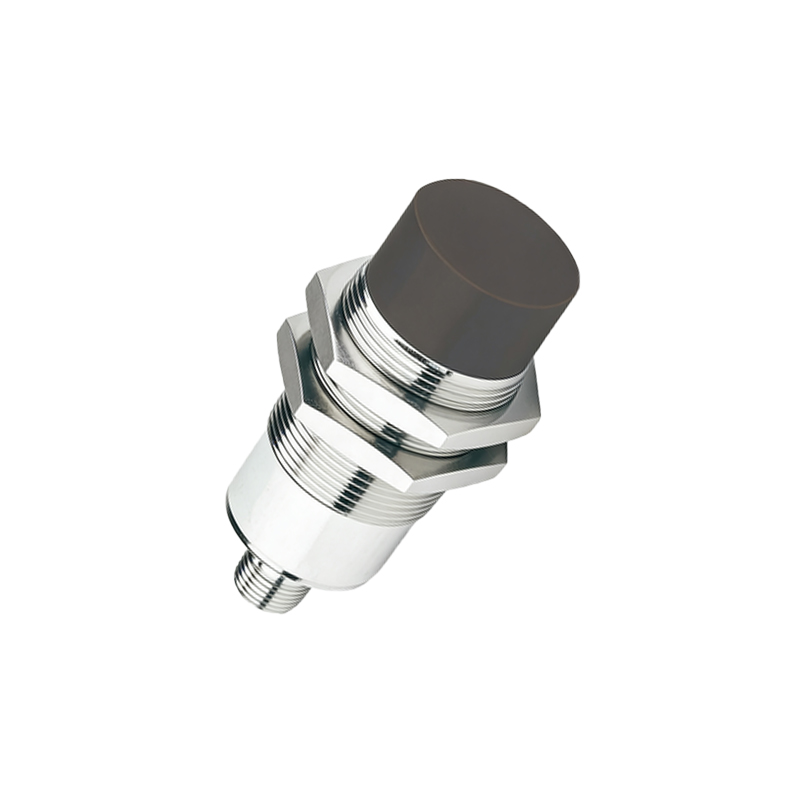
Mounting Considerations are often part of the datasheet. Flush-mountable sensors can be installed embedded in metal without affecting their range, while non-flush sensors require a clear lateral area to achieve their stated sensing distance. Ignoring mounting requirements leads to unreliable operation.
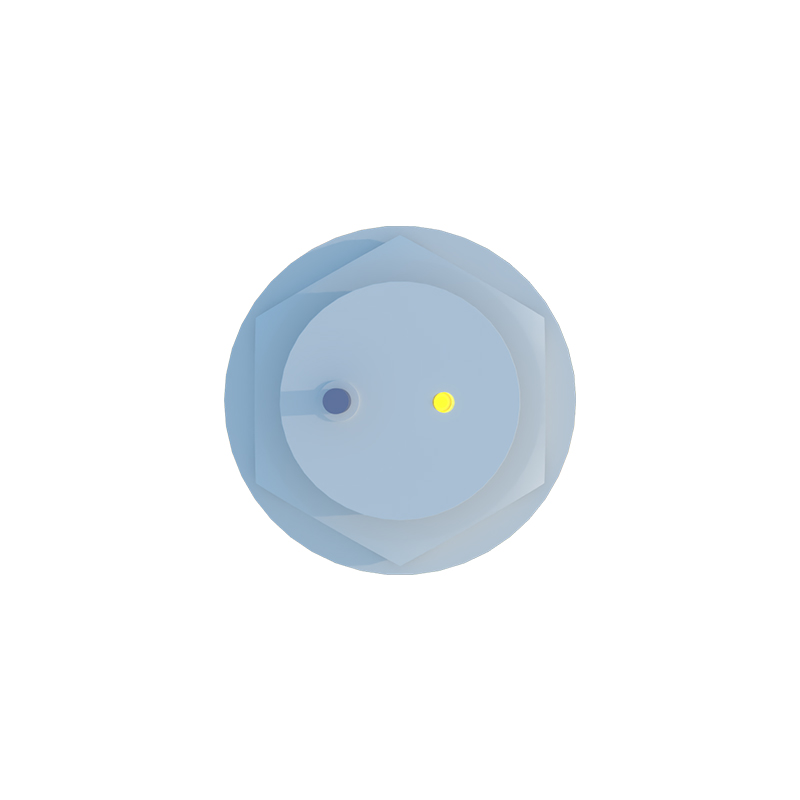
Other important parameters include Short-Circuit Protection, Reverse Polarity Protection, and Output State Indicator (LED). Protection features enhance robustness against wiring errors, while a clear indicator aids in commissioning and troubleshooting.
In conclusion, a proximity sensor's datasheet is a blueprint for its capabilities and limitations. Parameters like sensing distance, hysteresis, repeatability, and response time define its core performance. Output configuration, environmental ratings, and material factors dictate its suitability for a specific application. By meticulously analyzing these specifications against the application's requirements—considering target characteristics, required speed, environmental conditions, and electrical interface—engineers can make informed selections. This ensures not only initial functionality but also long-term reliability, stability, and precision in automated systems, minimizing downtime and maintenance costs. Always consult the manufacturer's datasheet for the definitive values and test under actual conditions when possible.