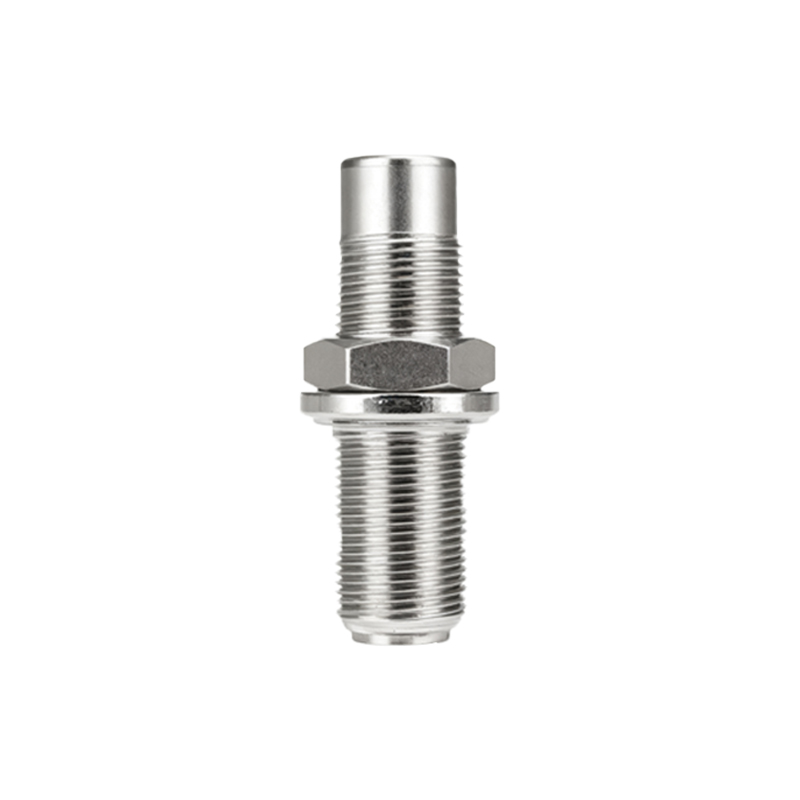
Metal proximity sensor patches represent a significant advancement in industrial sensing technology, designed for non-contact detection of metallic objects in automated systems. These compact, adhesive-backed sensors integrate seamlessly onto machinery surfaces, offering a versatile solution for position sensing, object counting, and safety monitoring. Operating primarily on inductive principles, they generate an electromagnetic field that detects ferrous and non-ferrous metals within a specified range, typically from a few millimeters to several centimeters, depending on the model and target material.
The core advantage of metal proximity sensor patches lies in their ease of installation and space-saving design. Unlike traditional bulky sensors requiring mounting brackets and complex wiring, these patches can be directly applied to clean, dry surfaces, reducing installation time and maintenance costs. They are commonly used in conveyor systems, robotic arms, and assembly lines where precise detection of metal components is critical. For instance, in automotive manufacturing, they ensure proper positioning of metal parts during welding or painting processes, enhancing quality control and minimizing errors.
When selecting a metal proximity sensor patch, engineers must consider key parameters such as sensing distance, response frequency, and environmental resilience. Sensing distance, often referred to as the nominal range, varies based on the target's size and material; larger or ferrous metals typically trigger detection from farther distances. Response frequency, measured in Hertz (Hz), determines how quickly the sensor can detect objects in high-speed applications, with some models capable of thousands of operations per second. Additionally, these patches are built to withstand harsh industrial conditions, including exposure to dust, moisture, and temperature fluctuations, often rated with IP67 or higher for protection.
Integration into control systems is straightforward, with most patches offering analog or digital outputs compatible with PLCs (Programmable Logic Controllers) and industrial networks. Analog outputs provide continuous signal variation proportional to the distance of the metal object, useful for precision monitoring, while digital outputs deliver a simple on/off signal for basic detection tasks. Calibration is minimal, often involving sensitivity adjustments via potentiometers or software settings to avoid false triggers from background interference.
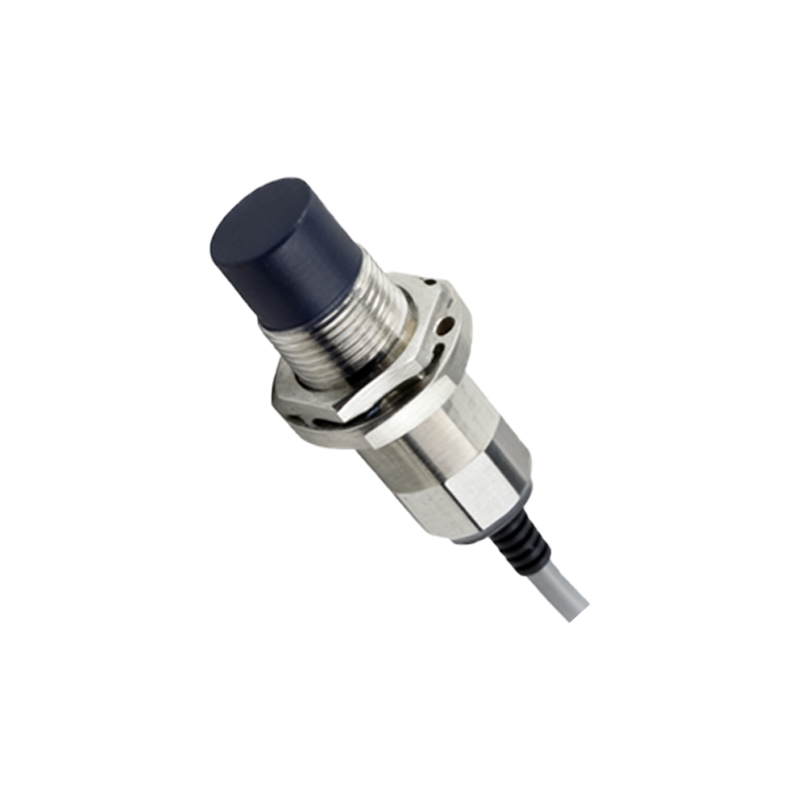
In practice, metal proximity sensor patches contribute to improved efficiency and safety in factories. They enable predictive maintenance by monitoring equipment wear, such as detecting metal shavings in machinery, which can signal potential failures. Moreover, their non-contact nature eliminates mechanical wear, ensuring long-term reliability. As Industry 4.0 evolves, these sensors are increasingly incorporating IoT capabilities, allowing for real-time data collection and remote diagnostics via wireless connectivity.
Despite their benefits, limitations exist. Non-metallic objects are undetectable, and performance can be affected by extreme electromagnetic interference or very thin metal foils. Regular testing with target materials is recommended during installation. Overall, metal proximity sensor patches offer a cost-effective, flexible solution for modern automation, driving productivity and innovation in sectors like manufacturing, packaging, and logistics. Future trends may focus on enhanced miniaturization and smart features, such as self-diagnostic alerts, further solidifying their role in industrial ecosystems.