The A2228 proximity sensor is a Hall-effect-based device designed for precise non-contact detection in various industrial and automotive applications. As a unipolar switch, it activates when a south magnetic pole approaches the sensing face, making it ideal for position sensing, speed detection, and limit switching. With an operating voltage range of 3.8V to 24V, the A2228 offers robust performance in environments where reliability is critical. Its open-drain output configuration allows easy integration with microcontrollers and logic circuits, while built-in protection features ensure durability against voltage transients and reverse polarity.
In automotive systems, the A2228 is commonly used for gearbox position sensing, seat belt detection, and brake pedal monitoring. Its ability to operate across a wide temperature range (-40°C to 150°C) makes it suitable for under-hood applications where thermal stability is essential. The sensor’s low current consumption (typically 10mA) also supports energy-efficient designs in battery-powered systems. Industrial automation leverages the A2228 for conveyor belt tracking, robotic arm positioning, and safety interlock systems. The device’s repeatability and hysteresis characteristics minimize false triggering, ensuring consistent operation in noisy electrical environments.
Technical specifications highlight a magnetic operate point (Bop) of 35 Gauss and a release point (Brp) of 30 Gauss, providing a stable switching window. The sensor’s response time is under 10µs, enabling high-speed detection for dynamic applications. Engineers should consider factors like magnetic field orientation, mounting distance, and environmental interference during installation. For optimal performance, pairing the A2228 with a ferromagnetic shield or using a calibrated magnet (such as Alnico or rare-earth types) is recommended to enhance signal integrity.
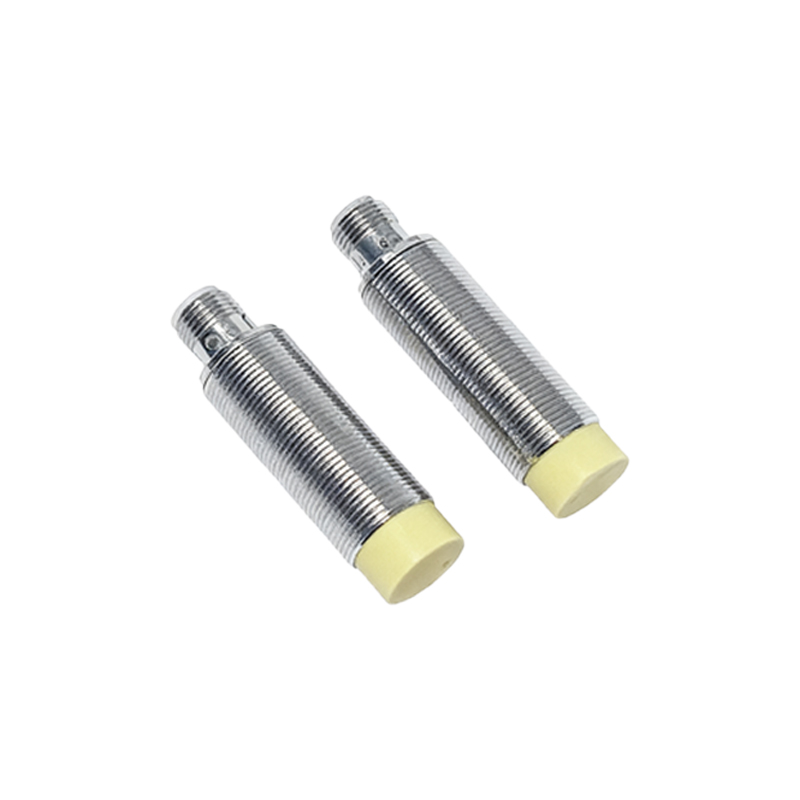
Maintenance and troubleshooting involve verifying output signal stability under varying magnetic thresholds. Common issues like output drift or failure to trigger often stem from incorrect magnet alignment or voltage supply fluctuations. Regular calibration checks and adherence to ESD protection protocols can extend the sensor’s lifespan. As Industry 4.0 advances, the A2228’s compatibility with IoT-enabled systems positions it as a key component for smart manufacturing and predictive maintenance solutions. Future iterations may integrate digital interfaces or enhanced EMI resistance, but the current design remains a cost-effective choice for reliable proximity sensing.