In the intricate world of industrial automation and machinery, every component, no matter how seemingly small, plays a pivotal role in ensuring system integrity, reliability, and safety. Among these essential hardware elements, the proximity sensor nut stands out as a fundamental yet often underappreciated component. This article delves into the specific functions, selection criteria, and operational significance of proximity sensor nuts, providing a comprehensive overview for engineers and maintenance professionals.
A proximity sensor nut is a specialized fastener designed to securely mount a proximity sensor—a non-contact device that detects the presence or absence of an object—onto a machine frame, bracket, or panel. Its primary function is to provide a stable, vibration-resistant, and precisely positioned mounting point for the sensor. Unlike standard nuts, these are engineered to meet the unique demands of sensor operation. The correct installation and tightening of this nut are crucial; even minor misalignment or loosening can lead to inaccurate detection, false triggers, or complete sensor failure. This, in turn, can cause production line stoppages, quality control issues, or even safety hazards in automated processes.
The design and material of a proximity sensor nut are tailored to its environment. Typically manufactured from corrosion-resistant materials like stainless steel (e.g., AISI 304 or 316) or brass, these nuts withstand harsh industrial conditions involving moisture, chemicals, and temperature fluctuations. The threading is precisely machined to match the sensor's housing, ensuring a perfect fit that prevents ingress of dust, coolant, or metal shavings—common contaminants that could impair sensor performance. Many designs also incorporate features such as nylon locking inserts (nyloc nuts) or prevailing torque threads to resist loosening caused by constant machine vibration, a prevalent challenge in manufacturing plants.
From a technical standpoint, the nut's role extends beyond mere physical attachment. It directly influences the sensor's sensing field and repeatability. A loosely fastened sensor can shift slightly over time, altering the critical gap between the sensor face and the target object. Since inductive, capacitive, and magnetic proximity sensors have precise operating distances (the sensing range), any deviation can lead to unreliable detection. Therefore, the nut must be torqued to the manufacturer's specification using appropriate tools. This ensures the sensor body does not deform and its internal coil or circuitry remains optimally positioned.
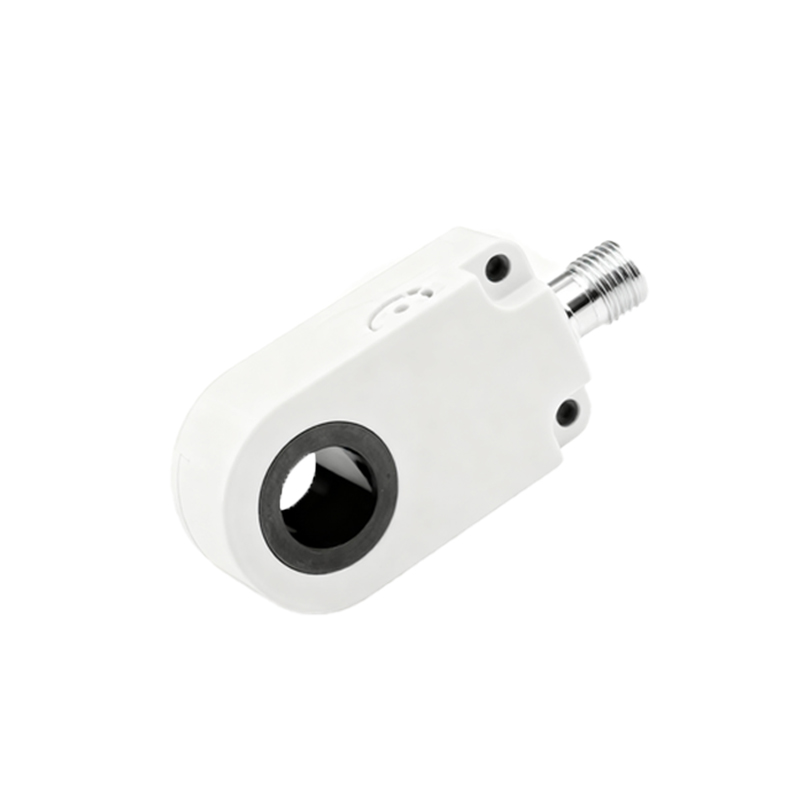
Selection of the appropriate proximity sensor nut involves several key considerations. First is thread compatibility: the nut's thread size (e.g., M8, M12, M18) and pitch must exactly match the sensor's threaded barrel. Using an incorrect nut can strip threads or cause cross-threading, damaging both the sensor and the mounting point. Second is the material grade, which should be chosen based on the operational environment to prevent galvanic corrosion when dissimilar metals are in contact. Third is the locking mechanism; for high-vibration applications, a nut with a locking feature is indispensable. Finally, the wrenching style (hex, flange, or jam nut) affects installation accessibility and the torque that can be applied.
In practice, the humble proximity sensor nut is a linchpin in maintaining system uptime. During preventive maintenance routines, technicians routinely check these fasteners for tightness. A best practice is to follow a scheduled re-torquing protocol, especially after the initial run-in period of new machinery. Furthermore, when replacing a sensor, it is often advisable to replace the nut as well, as repeated use can wear down its locking features or threads, compromising its holding power.
In conclusion, while proximity sensor nuts are small components, their impact on the functionality and reliability of automation systems is substantial. They ensure the precise, stable, and durable mounting of critical sensing devices. Specifying the correct nut, installing it with care, and including it in maintenance checks are simple yet highly effective steps toward achieving optimal machine performance, reducing downtime, and enhancing operational safety. Ignoring this component can lead to disproportionate costs and disruptions, underscoring the adage that in engineering, there are no insignificant parts.