Magnetic switch cylinder proximity sensors are fundamental components in modern industrial automation, offering reliable and precise detection of pneumatic cylinder piston position. These sensors operate on a simple yet effective principle: a magnetic field generated by a piston-mounted magnet triggers a reed switch or solid-state sensor embedded in the cylinder body. This non-contact detection method eliminates mechanical wear, ensuring long-term durability and consistent performance in demanding environments such as manufacturing, packaging, and material handling systems.
The core mechanism involves a hermetically sealed reed switch. When the cylinder's piston, equipped with a permanent magnet, moves into the sensor's detection zone, the magnetic field causes the reed contacts to close or open, thereby changing the electrical state of the sensor circuit. Advanced versions utilize solid-state Hall effect or magnetoresistive sensors, providing higher switching frequencies, improved resistance to shock and vibration, and greater precision in position sensing. The choice between reed and solid-state types depends on application-specific requirements like switching speed, environmental conditions, and cost considerations.
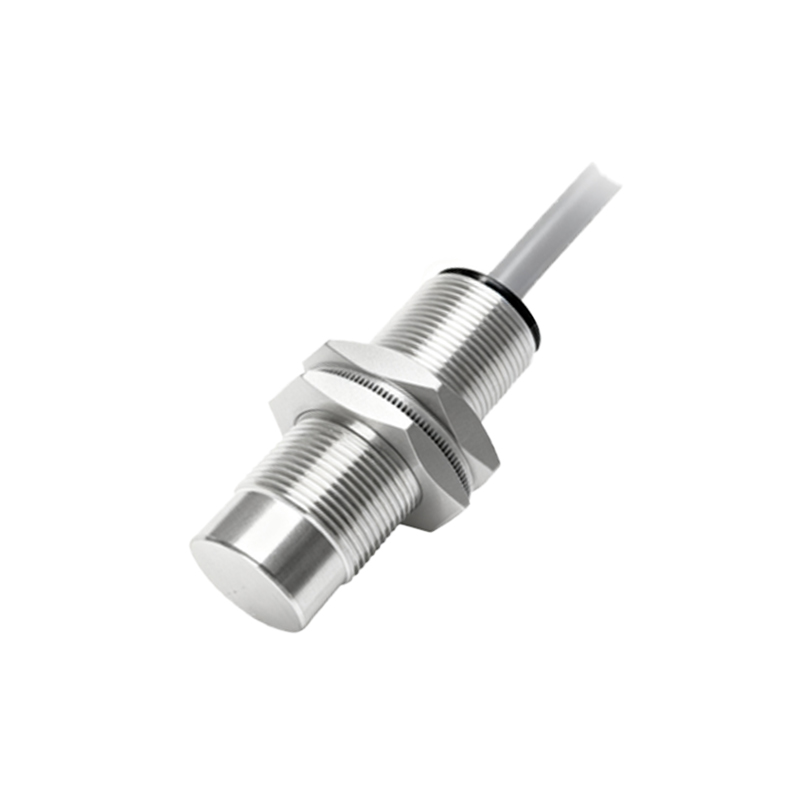
Installation and integration are notably straightforward. These sensors are typically designed to fit into standard T-slots on ISO cylinder profiles, allowing for adjustable positioning along the cylinder's length to detect multiple piston positions. This flexibility is crucial for sequencing control in complex machinery. Wiring usually follows a standard three-wire configuration (brown for positive, blue for negative, and black for output signal) compatible with PLC (Programmable Logic Controller) inputs. Proper alignment between the sensor and the piston magnet is essential; misalignment can lead to unreliable switching or complete failure to detect. Environmental factors such as temperature extremes, presence of ferrous debris, or strong external magnetic fields must also be considered during system design to prevent malfunction.
Key advantages of magnetic cylinder sensors include their robustness and maintenance-free operation. With no physical contact between the sensing element and the moving piston, there is no mechanical fatigue or need for lubrication. They are inherently sealed against dust and moisture, often achieving IP67 ratings, making them suitable for washdown areas in food and beverage processing. Their rapid response time, often in the millisecond range, enables high-speed automation cycles, while their simple binary output (ON/OFF) integrates seamlessly with control systems for tasks like end-of-stroke verification, mid-stroke positioning, and safety interlocking.
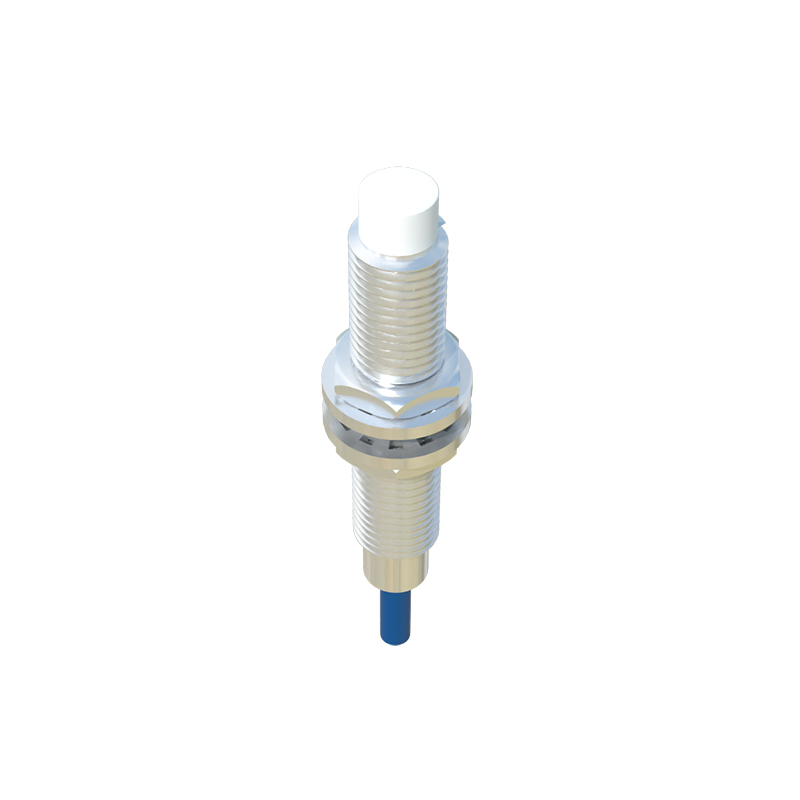
When selecting a magnetic switch for a cylinder application, engineers must evaluate several parameters. The operating voltage range (commonly 10-30V DC), output type (PNP or NPN sinking/sourcing), and current rating must match the control system. The sensing distance, or switch point, must be compatible with the magnetic strength of the piston magnet. Additionally, for cylinders in high-duty cycles, sensors with high repeat accuracy and minimal hysteresis are preferred to ensure consistent machine timing. Compatibility with the cylinder brand and model is also critical, as dimensions and magnetic field strengths can vary.
In practice, these sensors are indispensable for enabling precise feedback in automated systems. For instance, in a pick-and-place robot, magnetic sensors confirm the gripper cylinder's extended and retracted positions, ensuring the robotic arm only moves when the gripper is securely closed or fully open. In stamping presses, they provide critical position feedback to prevent double-stroking, enhancing operator safety. Their reliability directly impacts overall equipment effectiveness (OEE), minimizing downtime caused by faulty limit switches.
Future trends point toward increased integration and intelligence. Sensors with IO-Link capability are becoming more prevalent, allowing for digital parameter setting, real-time diagnostics, and predictive maintenance data collection directly from the sensor. This connectivity aligns with Industry 4.0 initiatives, enabling smarter, more adaptable production lines. Furthermore, miniaturization continues, allowing for use in compact, space-constrained applications without sacrificing performance.
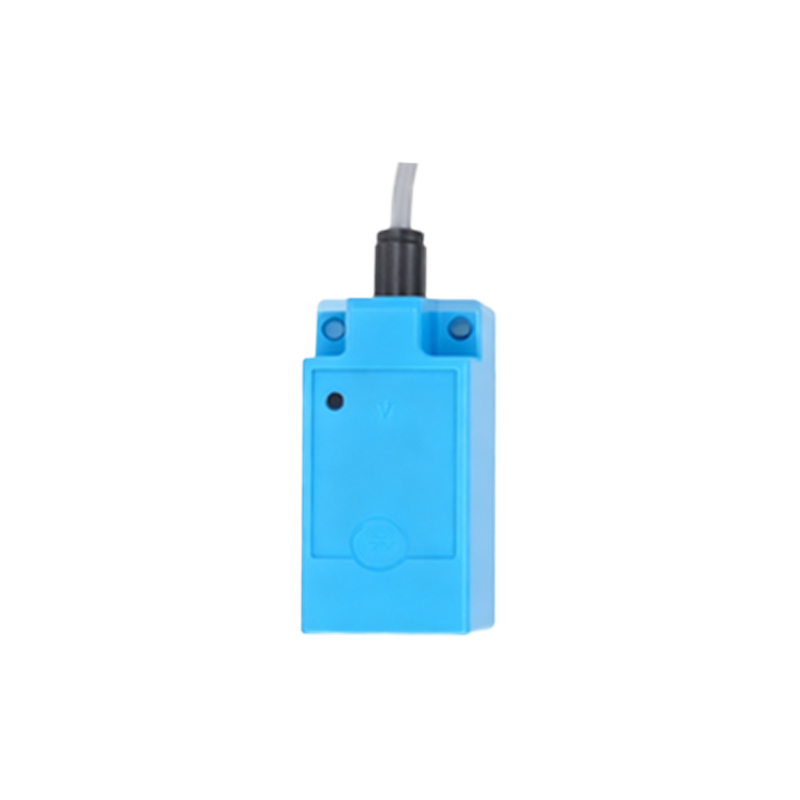
In conclusion, magnetic switch cylinder proximity sensors represent a mature but continuously evolving technology. Their simplicity, reliability, and adaptability make them a cornerstone of pneumatic motion control. A thorough understanding of their operating principles, selection criteria, and application best practices is essential for automation engineers to design efficient, reliable, and safe industrial systems. Proper implementation not only ensures immediate functional performance but also contributes to the long-term sustainability and productivity of automated operations.