In the rapidly evolving landscape of industrial automation and smart technology, the role of specialized components is paramount. Among these, Hall Effect proximity sensors stand out as critical devices for non-contact detection and positioning. Acting as the essential intermediary between advanced sensing technology and practical application, Hall Effect proximity sensor agents provide the expertise, supply chain access, and technical support necessary for seamless integration across diverse industries.
The fundamental principle behind these sensors is the Hall Effect, discovered by Edwin Hall in 1879. When a current-carrying conductor is placed in a magnetic field, a voltage is generated perpendicular to both the current and the field. Proximity sensors leverage this phenomenon to detect the presence or absence of a magnetic field, typically from a permanent magnet attached to a target object. Unlike mechanical switches or optical sensors, Hall Effect sensors are immune to dust, dirt, and moisture, offering remarkable reliability in harsh environments. They provide consistent performance with no physical wear, as detection occurs without any contact between the sensor and the target.
This is where the agent or distributor becomes indispensable. A proficient Hall Effect proximity sensor agent does far more than simply stock and sell components. They serve as a vital technical resource, guiding engineers and procurement specialists through a complex selection process. The market offers a vast array of sensor types, including unipolar, bipolar, and omnipolar variants, each with distinct operational characteristics concerning magnetic pole sensitivity. Furthermore, choices between digital output (providing a simple on/off signal) and analog output (providing a voltage proportional to magnetic field strength) must align with the specific application requirements, such as speed sensing, position detection, or current measurement.
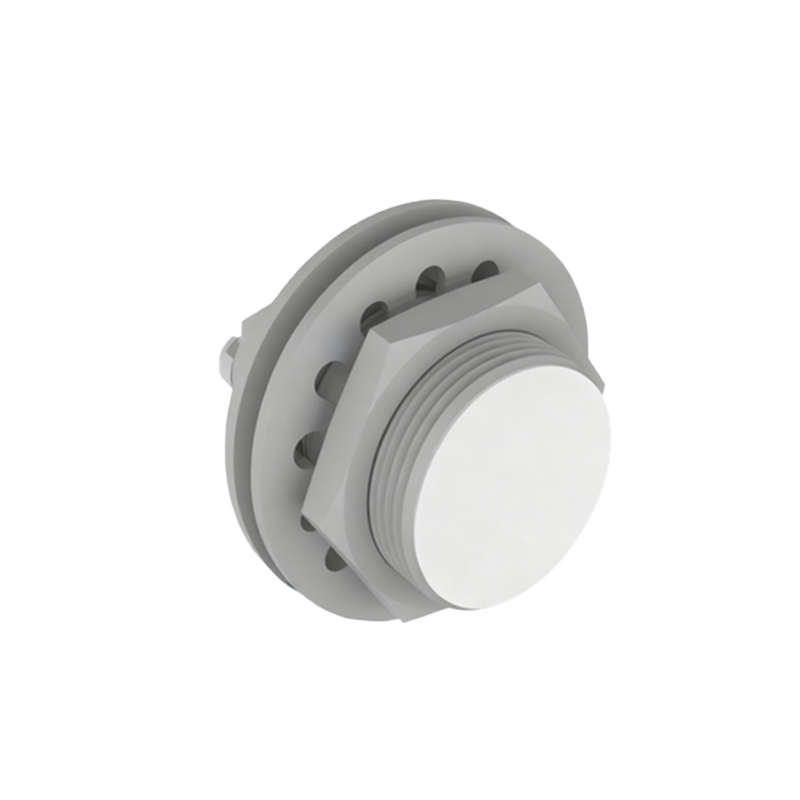
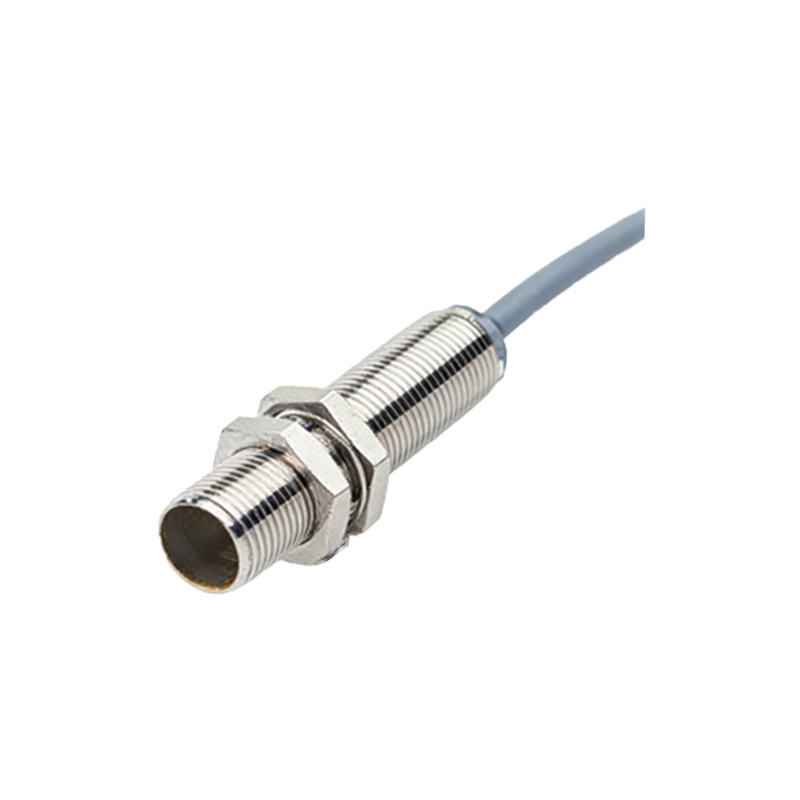
Agents possess the application-specific knowledge to recommend the correct sensor package, whether it's a miniature surface-mount device for consumer electronics, a rugged tubular housing for factory automation, or a specialized configuration for the automotive sector. They understand the critical specifications: operating voltage ranges, output types, temperature tolerances, and protection ratings like IP67 for dust and water ingress. This guidance prevents costly mismatches and project delays, ensuring the selected sensor performs reliably in its intended operational environment, from the controlled confines of a medical device to the vibrating, oily setting of a CNC machine.
Supply chain management is another cornerstone of an agent's value. In an era marked by global component shortages and logistical challenges, reliable agents maintain strategic inventories and foster strong relationships with multiple reputable manufacturers. This network ensures a steady supply of genuine, high-quality components, mitigating the risk of production line stoppages. They navigate lead times, customs, and logistics, providing clients with supply chain stability and predictability. Moreover, agents often offer value-added services such as custom labeling, kitting, and partial programming, streamlining the client's manufacturing process.
Technical support extends beyond the point of sale. A dedicated agent provides crucial assistance during the integration phase. This can include helping with circuit design for proper interfacing with PLCs (Programmable Logic Controllers) or microcontrollers, troubleshooting electromagnetic interference (EMI) issues, or advising on optimal mounting positions and air gaps relative to the target magnet. Their deep product knowledge allows them to resolve application challenges efficiently, saving clients significant time and engineering resources. Many agents also offer sample programs, reference designs, and detailed documentation to accelerate development cycles.
The applications facilitated by these agents are ubiquitous in modern engineering. In the automotive industry, Hall Effect sensors are fundamental for anti-lock braking systems (ABS), detecting wheel speed; for electronic power steering, sensing torque; and for determining crankshaft and camshaft positions. In industrial automation, they are the silent workhorses on conveyor belts, counting products, confirming robotic arm positions, and providing end-of-travel limits. Consumer electronics utilize them for detecting flip or slide cover positions on laptops and phones, while modern brushless DC motors rely on them for precise commutation.
Looking forward, the partnership between technology users and Hall Effect sensor agents will only deepen. Trends like Industry 4.0 and the Industrial Internet of Things (IIoT) demand not just data, but reliable, real-time data from the physical world. Hall Effect sensors, with their digital readiness and robustness, are ideal for feeding data into smart systems. Agents are evolving to support this shift, offering sensors with integrated connectivity options and advising on how to implement them within larger IoT architectures. They are becoming partners in innovation, helping clients leverage sensing data for predictive maintenance, process optimization, and enhanced machine intelligence.
In conclusion, Hall Effect proximity sensor agents are far more than middlemen in a transaction. They are essential enablers of technological advancement, providing the specialized knowledge, reliable supply, and integration support that allow innovative companies to transform a basic physical principle into reliable, intelligent, and automated operations. Their expertise bridges the gap between sophisticated magnetic sensing technology and its successful, real-world implementation, making them key players in building a more automated and efficient future