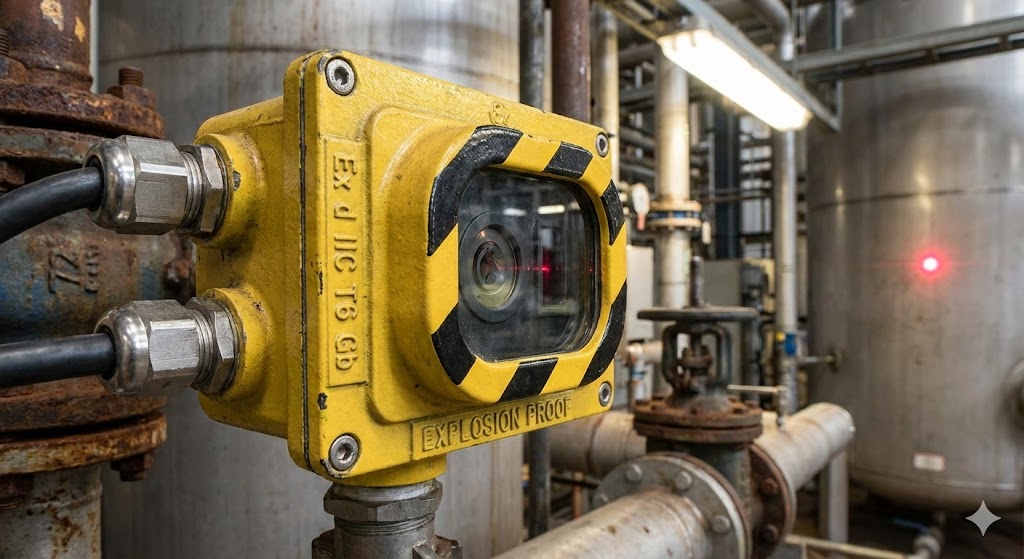
In the realm of industrial safety and environmental monitoring, methane detection stands as a critical frontier. As a seasoned electrical engineer with decades of experience in gas sensing technologies, I have witnessed the evolution from traditional catalytic bead sensors to the cutting-edge precision of laser methane sensors. Today, companies specializing in laser methane sensors are not merely manufacturers; they are pioneers driving a paradigm shift in how we perceive and manage gas hazards.
Laser methane sensors operate on the principle of tunable diode laser absorption spectroscopy (TDLAS). This technology leverages the unique absorption spectra of methane molecules when exposed to specific infrared wavelengths. By emitting a laser beam through a sampling area and measuring the attenuation caused by methane absorption, these sensors achieve unparalleled accuracy and selectivity. Unlike conventional sensors that can be poisoned or drift over time, laser-based systems offer long-term stability, minimal maintenance, and immunity to cross-interference from other gases. This reliability is paramount in industries such as oil and gas, wastewater treatment, and mining, where methane leaks pose significant explosion risks and environmental concerns.

Leading companies in this sector, like Sensit Technologies and Crowcon Detection Instruments, have integrated advanced features into their laser methane detectors. These include real-time data logging, wireless connectivity for remote monitoring, and robust designs capable of withstanding harsh industrial environments. For instance, the latest models incorporate machine learning algorithms to differentiate between background noise and genuine leak signals, reducing false alarms and enhancing operational efficiency. Moreover, the adoption of open-path laser sensors allows for wide-area surveillance, covering pipelines or facility perimeters without physical contact, thus enabling proactive leak detection before incidents escalate.

From an engineering perspective, the development of laser methane sensors involves meticulous attention to optical alignment, laser diode stability, and signal processing. Companies invest heavily in R&D to miniaturize components while maintaining performance, leading to portable handheld devices and fixed continuous monitors. The use of quantum cascade lasers (QCLs) has further expanded detection ranges to sub-parts-per-million levels, crucial for compliance with stringent regulations like the EPA's methane emission standards. Additionally, integration with IoT platforms enables predictive analytics, where sensor networks provide actionable insights for preventive maintenance and sustainability reporting.
However, challenges persist. High initial costs and the need for specialized training can deter widespread adoption, especially among small-scale operators. Yet, the total cost of ownership often favors laser sensors due to their durability and low calibration requirements. Industry collaborations, such as partnerships with utility companies for smart grid applications, are driving down costs and fostering innovation. As global emphasis on carbon neutrality grows, laser methane sensor companies are poised to play a pivotal role in methane abatement strategies, aligning technological advancement with environmental stewardship.
In conclusion, the trajectory of laser methane sensor technology reflects a broader trend toward intelligent, connected safety solutions. Companies at the forefront are not just selling devices; they are delivering ecosystems that enhance situational awareness and risk management. For engineers and stakeholders, embracing this technology means investing in a safer, more sustainable future—where precision detection mitigates hazards and protects both people and the planet.