In the realm of industrial automation and machinery, proximity sensors stand as critical components for non-contact detection, ensuring safety, precision, and efficiency. Their correct wiring and integration are paramount, often dictating the reliability of an entire system. This article delves into professional wiring methodologies and key considerations when selecting a company for proximity sensor solutions, tailored for engineers and procurement specialists in the electrical and automation sectors.
Proximity sensors, including inductive, capacitive, and ultrasonic types, operate by detecting the presence or absence of an object without physical contact. The wiring configuration fundamentally depends on the sensor's output type: typically NPN (sinking) or PNP (sourcing), and the number of wires (2-wire, 3-wire, or 4-wire). A 3-wire DC sensor, the most common, requires connection to a power supply (V+ and V- or 0V) and a load (such as a PLC input or relay). For NPN sensors, the load is connected between the sensor's output wire and the positive supply (V+); the output acts as a switch to ground (0V). Conversely, for PNP sensors, the load is connected between the output and ground (0V); the output switches the positive voltage to the load. Miswiring these can lead to sensor damage, erratic operation, or complete system failure. Always consult the manufacturer's datasheet for the specific wiring diagram, voltage ratings (commonly 10-30V DC), and current limits.
Shielding and grounding are non-negotiable for signal integrity, especially in environments with electromagnetic interference (EMI) from motors or variable frequency drives. Using shielded cables, with the shield properly grounded at only one end (typically the control panel end), is a best practice. For analog output sensors (e.g., 4-20mA or 0-10V), twisted-pair cables further enhance noise immunity. Cable routing should avoid parallel runs with high-voltage power lines to prevent inductive coupling.
Selecting a competent company for proximity sensor supply and integration is a strategic decision. Key factors extend beyond mere product availability. Firstly, evaluate technical expertise. A reputable company should have application engineers capable of providing detailed wiring schematics, assisting with compatibility checks against your PLC or controller, and offering solutions for harsh environments (extreme temperatures, washdown conditions, etc.). They should understand international standards like IEC 60947-5-2.
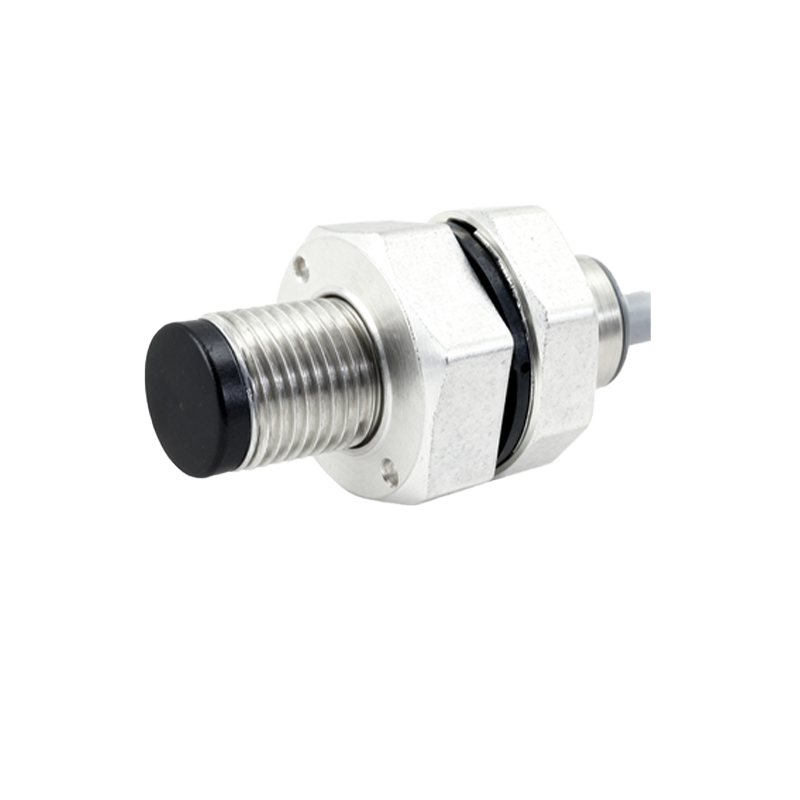
Secondly, assess product range and quality. Leading suppliers offer sensors from top-tier manufacturers (e.g., Siemens, Omron, Pepperl+Fuchs, Sick, Balluff) with various sensing ranges, housing materials (e.g., stainless steel, PBT plastic), and connection types (pre-wired cables or quick-disconnect M12 connectors). Quality is evidenced by certifications (CE, UL) and mean time between failure (MTBF) ratings.
Thirdly, consider logistical and support services. Reliable companies maintain substantial inventory for common models to ensure quick delivery. They provide comprehensive documentation, CAD drawings, and responsive after-sales support for troubleshooting. Some offer value-added services like custom cable assembly, labeling, or kitting.
Finally, the company's industry reputation and longevity matter. Seek partners with proven experience in your specific sector, whether automotive, packaging, material handling, or food and beverage. Client testimonials and case studies can be insightful.
In conclusion, mastering proximity sensor wiring—adhering to correct polarity, implementing robust noise protection, and following manufacturer guidelines—is the foundation of a reliable system. Partnering with a knowledgeable, quality-focused company transforms this technical task from a potential point of failure into a seamless, optimized component of your automation architecture. It ensures not only correct installation but also long-term operational stability and access to expert guidance for future expansions or upgrades.