In the realm of industrial automation, the seamless integration of sensing technology and mechanical design is paramount for achieving high levels of precision, reliability, and efficiency. One such critical integration is the proximity sensor lever mechanism, a sophisticated assembly that significantly extends the functional capabilities of standard proximity sensors. This mechanism acts as a vital interface, translating physical movements or positional changes in hard-to-reach or hazardous environments into detectable signals for non-contact sensors.
A standard proximity sensor, whether inductive, capacitive, or photoelectric, operates by detecting the presence or absence of a target object within its specified sensing range without physical contact. However, its fixed sensing face has inherent limitations. It can only detect objects that pass directly in front of it. In complex machinery, the point of measurement or detection is often obstructed, located in a confined space, or subject to extreme temperatures and contaminants. Direct sensor mounting is impractical or would lead to premature sensor failure. This is where the lever mechanism becomes an indispensable solution.
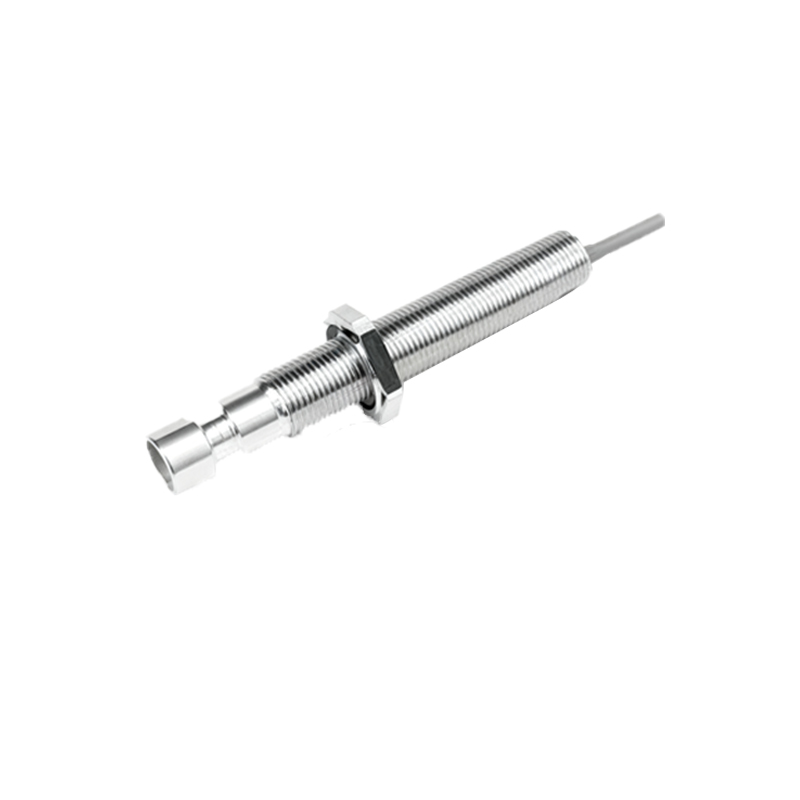
The core function of the proximity sensor lever mechanism is to transfer motion. It typically consists of a lever arm, a pivot point (fulcrum), and an actuator or follower at one end. The other end is positioned within the precise sensing range of the proximity sensor. When the target object or machine part contacts the actuator end of the lever, it causes the lever to rotate around its pivot. This rotational movement is precisely translated to the opposite end of the lever, which then moves into or out of the detection field of the stationary proximity sensor. Thus, the sensor can indirectly "sense" the condition or position of the target object located elsewhere.
The design and material selection for these lever mechanisms are crucial for performance and longevity. Lever arms are often manufactured from hardened stainless steel or other robust alloys to resist wear, deformation, and corrosion. The pivot bearing must be designed for minimal friction and long-term, maintenance-free operation, sometimes incorporating sealed ball bearings or specialized bushings. The actuator tip can be customized into various shapes—rollers, plungers, or flat pads—to suit specific application needs, such as following cam profiles or sensing the edge of a material web.
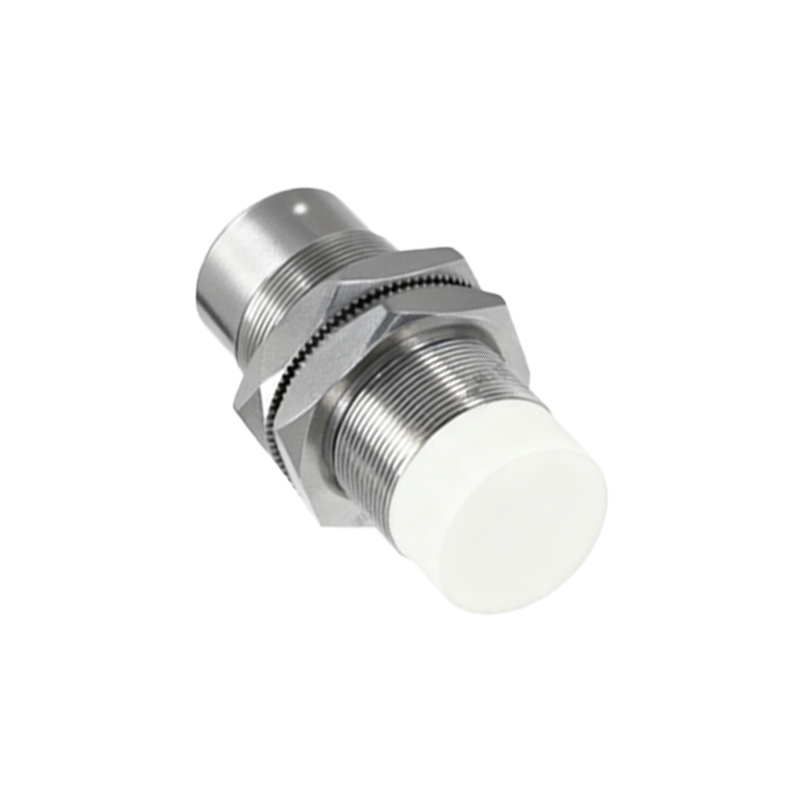
The advantages of employing a proximity sensor lever mechanism are multifaceted. Firstly, it enables sensor protection. By keeping the sensitive electronic sensor body away from harsh environments like excessive heat, coolant splash, or mechanical impact, the mechanism safeguards the sensor, dramatically increasing its service life. Secondly, it allows for sensing in inaccessible areas. The small, rugged actuator can be positioned in tight spaces or on moving parts, while the sensor remains safely mounted in a more accessible location for easier wiring and maintenance. Thirdly, it provides mechanical amplification. A carefully calculated lever ratio can amplify small movements at the actuator end into larger, more easily detectable movements at the sensor end, enhancing sensing resolution for minute positional changes. Finally, it offers versatile mounting and adjustment. Many lever mechanisms come with adjustable pivot points or arm lengths, allowing fine-tuning of the actuation point and sensor triggering position without moving the sensor itself.
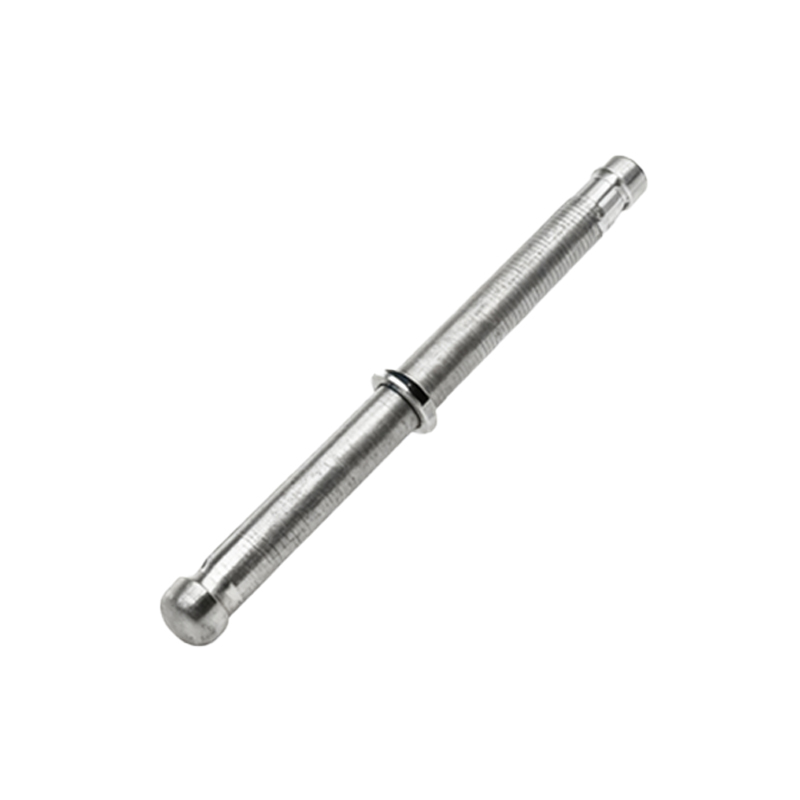
Practical applications are abundant across manufacturing industries. In metal stamping presses, lever mechanisms detect the precise top-dead-center position of the crankshaft or monitor the presence of a feed material. In packaging machinery, they sense the open or closed position of complex gripper jaws or verify the alignment of product flaps. Within automated assembly lines, they are used for part presence verification in fixtures or to confirm the successful completion of a pressing operation. The automotive industry relies on them for robotic weld gun tip dressing confirmation and door panel alignment checks.
Selecting the right proximity sensor lever mechanism requires careful consideration of several parameters: the required lever ratio and movement travel, the environmental conditions (temperature, contaminants), the frequency of operation (cyclic duty), the necessary mechanical strength to withstand operating forces, and the compatibility with the chosen proximity sensor's sensing characteristics. Proper installation is equally critical; the lever must move freely without binding, and the sensor must be accurately aligned and gap-set to ensure reliable switching.
In conclusion, the proximity sensor lever mechanism is far more than a simple mechanical accessory. It is an engineered enabler that overcomes the spatial and environmental limitations of non-contact sensing. By marrying robust mechanical principles with advanced sensor technology, it unlocks new possibilities for machine monitoring and control, contributing directly to enhanced operational safety, reduced downtime, and improved product quality in automated systems. Its continued evolution and application underscore the importance of innovative mechanical design in solving real-world industrial sensing challenges.