In the realm of industrial automation and smart electronics, the proximity sensor ring stands out as a sophisticated and highly effective solution for non-contact object detection. Unlike a single-point proximity sensor, a proximity sensor ring, often called a ring sensor or annular sensor, is designed with a donut-shaped sensing area. This unique geometry allows it to detect objects passing through its central aperture without physical contact, making it ideal for applications requiring precise, repeatable, and non-invasive monitoring.
The core technology behind most proximity sensor rings is based on inductive sensing. The ring contains a coil of wire wound in a circular pattern. When an alternating current passes through this coil, it generates an oscillating electromagnetic field that projects from the ring's face and through its center hole. When a metallic object enters this active field, eddy currents are induced on the object's surface. These currents cause a measurable change in the oscillation amplitude or frequency within the sensor's circuit. The integrated electronics detect this change and trigger a solid-state switch output, signaling the presence of the object. For detecting non-metallic materials, capacitive-based rings are employed, which sense changes in dielectric constant.
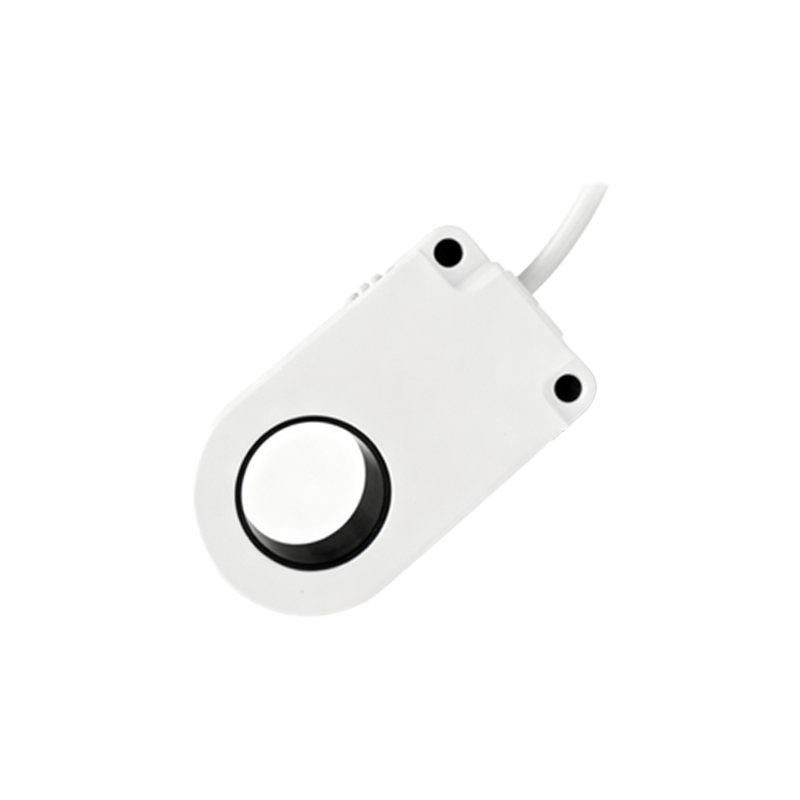
The defining advantage of the ring shape is its through-hole design. This allows parts—like screws, bolts, wires, or components on a conveyor—to pass directly through the sensor. It provides a clear, unobstructed detection zone that can verify the presence, count, or orientation of items without impeding the production flow. This is a critical improvement over traditional sensors that require objects to pass in front of a sensing face, which can lead to alignment issues and mechanical wear.

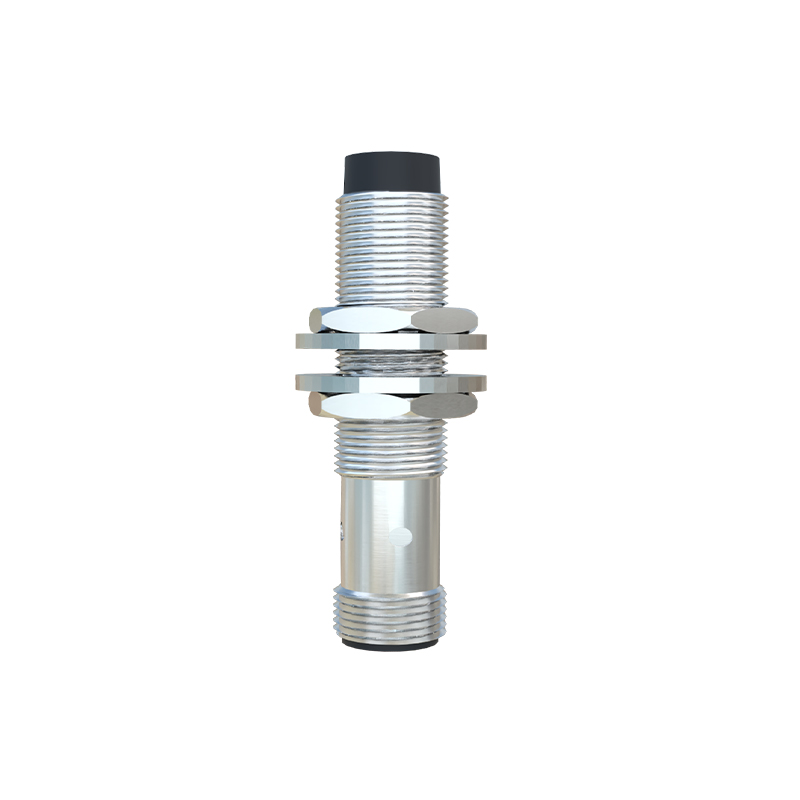
Key specifications define the performance of a proximity sensor ring. The inner diameter is paramount, determining the maximum size of the object that can pass through. The sensing distance is typically short and precise, often just a few millimeters from the inner rim, ensuring only objects within the aperture are detected. Switching frequency indicates how quickly it can detect successive objects, crucial for high-speed counting. Output types include NPN, PNP, or analog (4-20mA, 0-10V), allowing integration with PLCs (Programmable Logic Controllers) and other control systems. Robust housing materials like nickel-plated brass or stainless steel (e.g., V2A, V4A) are common to withstand harsh industrial environments involving coolants, oils, and metal chips.
The applications for proximity sensor rings are vast and varied across industries. In automotive manufacturing, they are used to confirm the presence of pistons in engine blocks, check for retaining rings on shafts, or verify that all cylinders in a block have been properly machined. In fastener and small parts production, they are indispensable for counting screws, nuts, or washers as they travel through feed tubes, preventing jams in automated assembly systems. The packaging industry utilizes them to detect missing caps on bottles or to ensure a single file of products is entering a sealing machine. In electronics assembly, they can verify the insertion of components onto PCBs or detect the lead frames of microchips.
When selecting and installing a proximity sensor ring, several practical considerations are essential. First, ensure the inner diameter provides sufficient clearance for the target object, including tolerances for vibration or misalignment. The sensor must be mounted securely, with its axis perpendicular to the path of the object to maintain a consistent sensing field. For counting small, fast-moving items, a sensor with a high switching frequency is mandatory. It is also critical to consider the material of the target object; inductive rings only detect metals, with different response factors for steel, aluminum, and copper. Environmental factors like temperature extremes, presence of other strong magnetic fields, or conductive dust must also be evaluated against the sensor's IP (Ingress Protection) rating and specifications.
In summary, the proximity sensor ring is a specialized yet versatile tool that solves specific challenges in automated detection and quality control. Its through-beam-like functionality in a compact, robust package enables reliable operation in tight spaces and demanding conditions. By providing a non-contact method to verify part presence, count items, or monitor process flow directly through the sensor's core, it enhances system reliability, reduces downtime, and contributes significantly to lean manufacturing and zero-defect goals. As automation evolves towards greater precision and flexibility, the role of the proximity sensor ring remains firmly established as a key enabler of efficient and intelligent production.