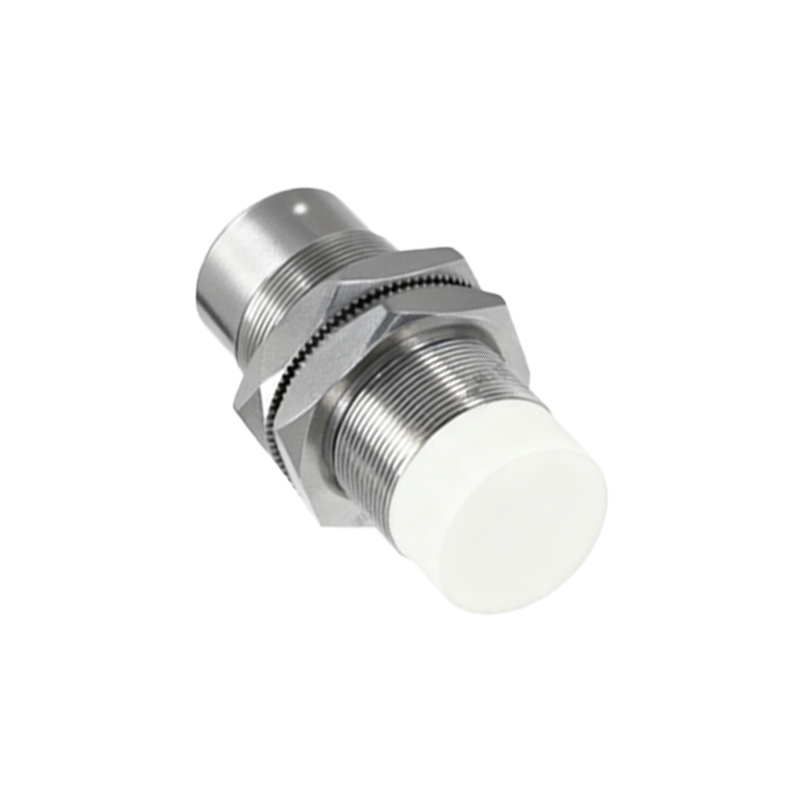
In the realm of industrial automation and consumer electronics, the demand for reliable, non-contact sensing solutions continues to grow. Among the various technologies available, capacitive proximity sensors, particularly in surface-mount device (SMD) or chip form factors, have emerged as critical components. Unlike their inductive counterparts that detect only metals, capacitive sensors can detect a wide range of materials, including liquids, plastics, wood, and even human skin, by measuring changes in capacitance.
The fundamental operating principle is based on the concept of a capacitor. A capacitive proximity贴片 sensor essentially forms one plate of a capacitor, with the target object acting as the other plate. The sensor generates an electrostatic field. When a target enters this field, it alters the dielectric constant and thus the capacitance of the system. The sensor's internal oscillator circuit detects this change, triggering a switch in its output signal. This allows for detection without any physical contact, preventing wear and tear and enabling use in sterile or harsh environments.
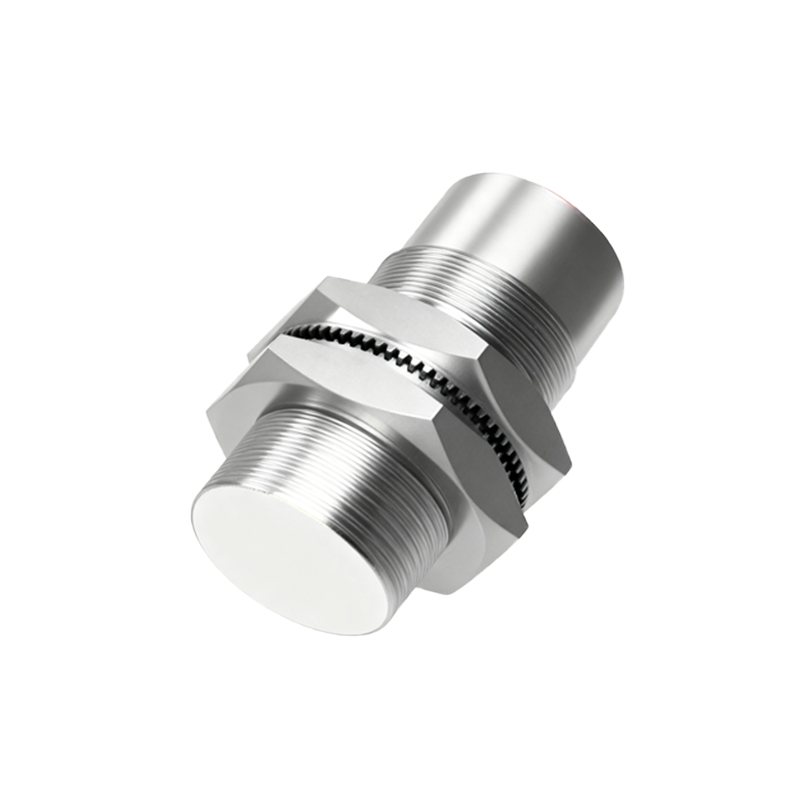
Modern capacitive贴片 sensors are marvels of miniaturization. Housed in compact, standardized packages like 0402, 0603, or 0805, they integrate the sensing electrode, oscillator, signal conditioner, and output circuit onto a single silicon chip. This SMD design offers significant advantages. Their small size allows for integration into densely packed printed circuit boards (PCBs), which is essential for modern compact devices like smartphones, tablets, and wearable technology. The surface-mount design also facilitates high-speed, automated assembly, reducing manufacturing costs. Furthermore, the lack of moving parts and sealed construction makes them highly resistant to vibration, dust, and moisture ingress.
The applications for these tiny sensors are vast and varied. In consumer electronics, they are ubiquitous for touch-sensitive buttons, proximity detection for turning off smartphone screens during calls, and liquid level detection. In industrial settings, they are used for precise positioning, monitoring fill levels in non-metallic containers, and detecting the presence of materials on conveyor belts. They play a crucial role in automotive systems for interior lighting control and seat occupancy detection. A particularly innovative application is in human-machine interfaces (HMI), where they enable sleek, button-less control panels that are easy to clean and resistant to environmental contaminants.
Selecting the right capacitive proximity贴片 sensor requires careful consideration of several parameters. The sensing range is typically very short for贴片 devices, often just a few millimeters, and is highly dependent on the target material's dielectric constant. Engineers must also consider the operating voltage, output type (digital or analog), response time, and the required sensitivity adjustment, which is often trimmed via an external capacitor or digital interface. The operating temperature range and packaging material must be chosen to suit the application's environment, whether it's a benign office setting or a demanding automotive under-hood location.
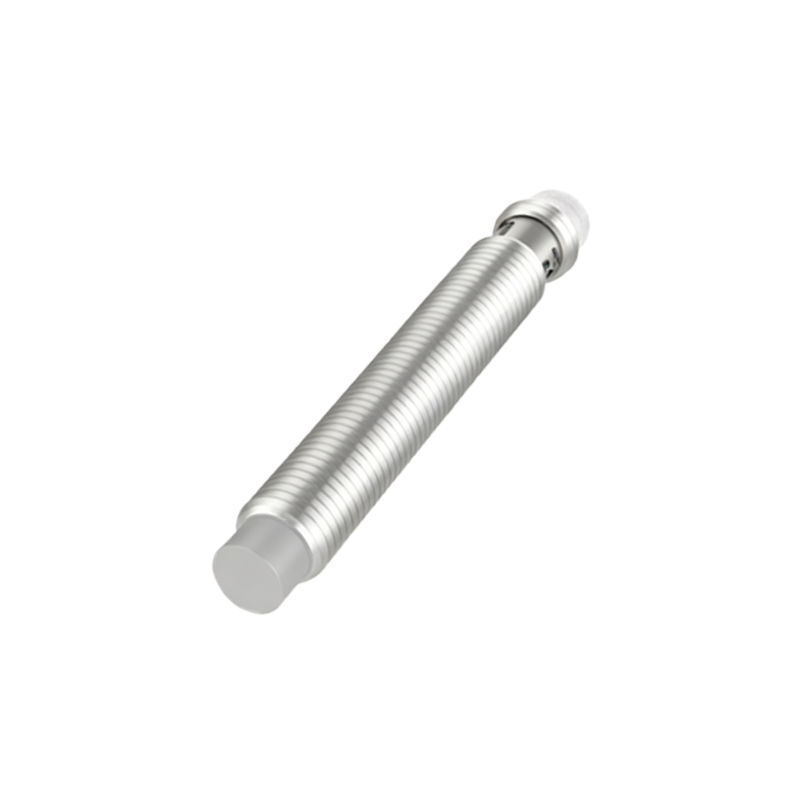
Despite their advantages, these sensors have limitations. Their sensitivity to environmental factors like humidity and temperature can affect performance, requiring proper calibration and shielding. They can also be prone to false triggering from contaminants like oil or dust buildup on the sensing face. Therefore, proper installation and housing design are critical for reliable operation.
Looking ahead, the trend is toward even greater integration and intelligence. We are seeing the emergence of digital capacitive sensors with I2C or SPI interfaces, allowing for easy daisy-chaining and microcontroller communication. Advanced signal processing algorithms embedded within the sensor chip itself are improving noise immunity and stability. As the Internet of Things (IoT) expands, these smart, connected capacitive贴片 sensors will become fundamental in providing the tactile and presence-detection data needed for intelligent systems.
In conclusion, capacitive proximity贴片 sensors represent a perfect fusion of sophisticated sensing technology and practical electronic packaging. Their ability to detect diverse materials contactlessly, combined with the robustness and miniaturization benefits of SMD technology, makes them indispensable in countless modern applications. By understanding their operating principles, key specifications, and application requirements, designers can effectively leverage these powerful components to create more responsive, reliable, and innovative products.