In the realm of industrial automation and machine design, proximity sensors are indispensable components for non-contact detection of objects. Among the diverse form factors available, cylindrical and rectangular (or square) proximity sensors represent the two primary physical configurations, each offering distinct advantages tailored to specific application requirements. This article delves into the technical characteristics, application scenarios, and selection criteria for these two prevalent sensor designs.
Cylindrical proximity sensors, often referred to as barrel sensors, are characterized by their classic tubular shape with a threaded metal or polymer housing. This design is inherently robust and facilitates easy installation. The threaded body allows for straightforward mounting into a drilled and tapped hole, providing excellent mechanical stability and precise alignment of the sensing face. The symmetrical shape is ideal for applications requiring omnidirectional mounting or where space constraints are radial. Common sensing technologies housed in cylindrical forms include inductive, capacitive, and ultrasonic. Inductive cylindrical sensors are particularly widespread for detecting metallic objects, with sensing ranges that are typically axially symmetric. The compact nature of many cylindrical models makes them suitable for dense packaging in control panels or machinery where multiple detection points are needed in close proximity. Sealing is another strong suit; the continuous, smooth surface of a cylindrical housing often allows for higher Ingress Protection (IP) ratings, making them excellent choices for environments with dust, coolants, or washdown requirements.
Conversely, rectangular or square proximity sensors offer a different set of mechanical and functional benefits. Their flat, often low-profile design is optimized for applications where mounting space is limited in height but available in planar dimensions. This form factor can accommodate larger sensing faces or more complex internal electronics, potentially enabling extended sensing ranges or specialized functionalities like analog output or advanced diagnostics within the same housing. Rectangular sensors frequently employ mounting brackets or slots for flexible installation, which can be advantageous for retrofitting or adjusting sensor position without modifying the machine structure. In terms of sensing field, some rectangular designs can feature a wider or more focused detection pattern compared to the typically conical field of a cylindrical sensor. This can be critical for detecting specific edges or profiles of an object. Furthermore, the flat surface allows for easier integration of status LEDs, labeling, or even touch interfaces. They are commonly found in material handling, packaging, and assembly automation where their shape aligns well with conveyor structures or machine frames.
The choice between a cylindrical and a rectangular proximity sensor is seldom arbitrary and should be guided by a systematic evaluation of the application parameters. Key considerations include:
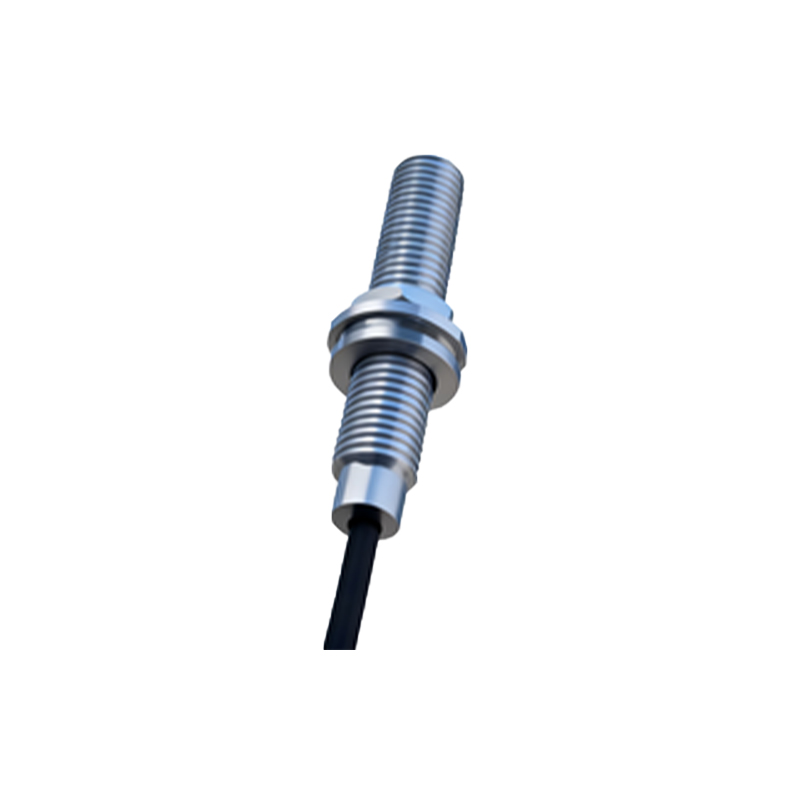
1. Mounting and Space Constraints: Evaluate the available physical space. A cylindrical sensor requires a round hole and radial clearance, while a rectangular sensor needs a flat surface and planar space.
2. Environmental Factors: Consider the need for sealing against liquids and particulates. While both types offer high IP ratings, the cylindrical threaded design often provides a more reliable seal in threaded installations.
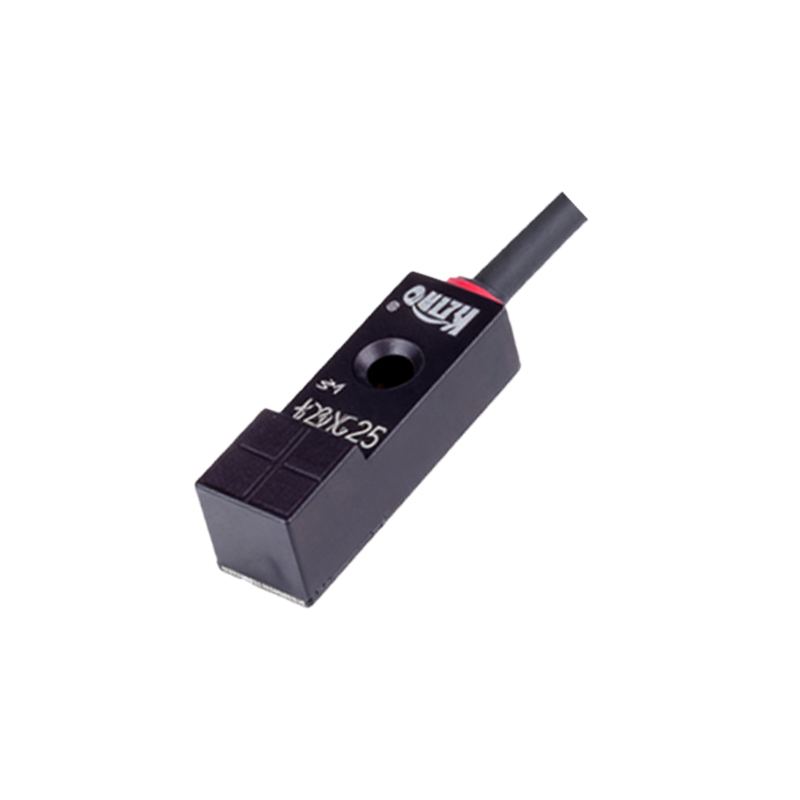
3. Sensing Range and Field Shape: Verify the required detection distance and the shape of the effective sensing field. The target object's material, size, and approach angle will influence this decision.
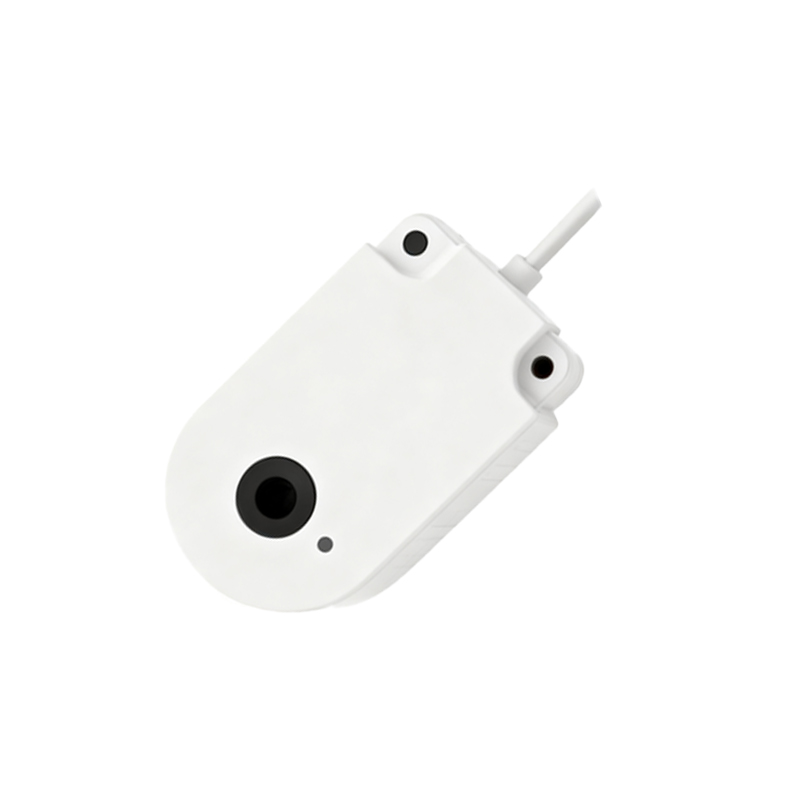
4. Mechanical Robustness: Cylindrical sensors, with their threaded metal housings, generally withstand higher mechanical stress and vibration in heavy industrial settings.
5. Electrical Connections: Connection styles (pre-wired cables, quick-disconnect connectors) are available for both, but the connector size and orientation may be more easily integrated with one housing style over the other in a given control cabinet layout.
In conclusion, both cylindrical and rectangular proximity sensors are pillars of modern sensing technology. The cylindrical design excels in durability, ease of installation in drilled holes, and high-pressure sealing. The rectangular design offers advantages in low-profile mounting, flexible bracketing, and potentially enhanced features or sensing ranges. A thorough understanding of the operational environment, spatial limitations, and detection goals is paramount for selecting the optimal sensor geometry. By matching the sensor's physical design to the application's demands, engineers can ensure reliable, long-lasting, and efficient operation within any automated system.