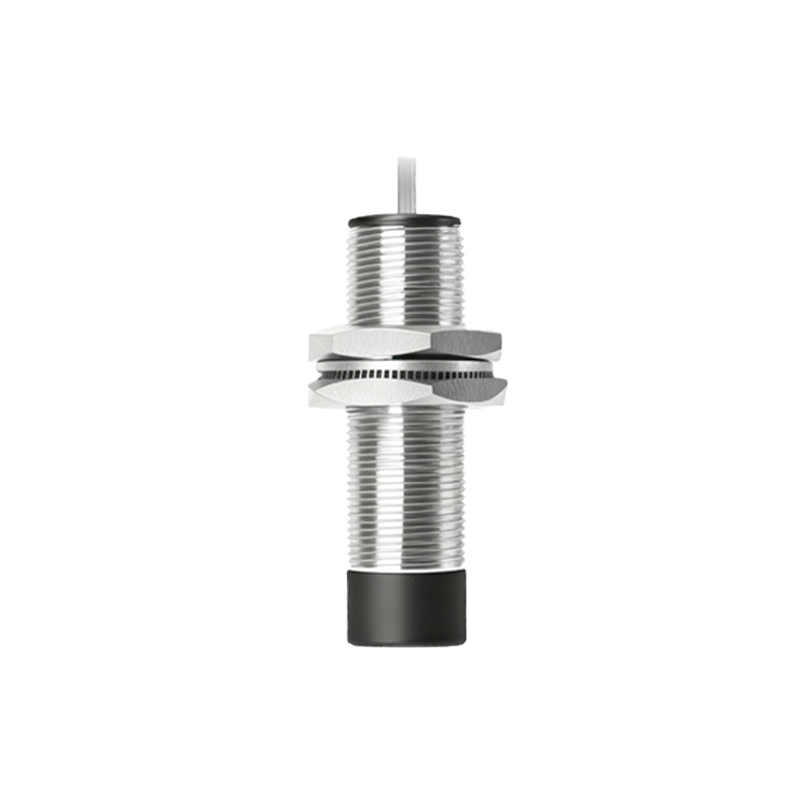
Face proximity sensors represent a sophisticated integration of optical, infrared, and capacitive sensing technologies, designed to detect the presence and distance of a human face within a defined range. These sensors are increasingly pivotal in electrical engineering applications, ranging from security systems to human-machine interfaces. The core principle revolves around emitting a signal—typically infrared (IR) light or electromagnetic fields—and analyzing the reflected response to determine proximity.
Infrared-based face proximity sensors operate by emitting IR radiation through an LED. When a face enters the sensor's field, the skin reflects a portion of this radiation back to a photodetector. The sensor's microcontroller then calculates the time-of-flight (ToF) or phase shift of the reflected signal, enabling precise distance measurement. Advanced versions utilize multiple IR wavelengths to mitigate interference from ambient light, ensuring reliability in diverse environments. This technology is commonly employed in devices like smartphones for screen dimming during calls or in automated faucets for touchless operation.
Capacitive face proximity sensors, on the other hand, rely on changes in an electric field. They generate a low-energy field between electrodes; when a face (a conductive object due to its water content) approaches, it alters the capacitance. This change is detected by a circuit, triggering an output signal. These sensors excel in applications requiring high sensitivity and low power consumption, such as wearable electronics or proximity-activated lighting systems. Their ability to operate through non-conductive materials like glass makes them ideal for integrated displays.

The integration of machine learning algorithms has further enhanced face proximity sensors' capabilities. By combining sensor data with pattern recognition, systems can distinguish between a face and other objects, reducing false positives. For instance, in automotive safety, these sensors help monitor driver alertness by detecting face position relative to the steering wheel, issuing warnings if drowsiness is suspected. Similarly, in industrial settings, they contribute to worker safety by ensuring machinery halts when a face is detected within hazardous zones.
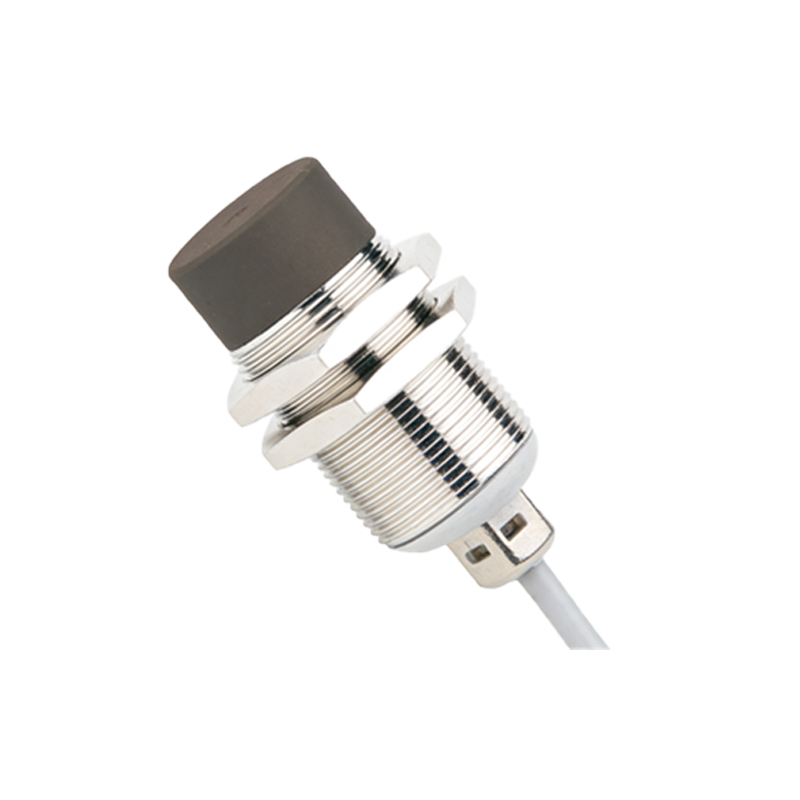
Design considerations for face proximity sensors include power efficiency, response time, and environmental robustness. Engineers must account for factors like temperature fluctuations, humidity, and electromagnetic interference to maintain accuracy. Calibration protocols are essential, as sensor performance can degrade over time due to component aging or contamination. Regular testing with standardized targets—simulating human skin reflectance—ensures consistent operation.
In summary, face proximity sensors leverage a blend of physical principles and digital processing to enable intuitive, safe interactions in electrical systems. As technology evolves, their role in smart homes, healthcare monitoring, and automated industries is set to expand, driven by demands for enhanced user experience and safety. Future developments may include miniaturization for embedded applications and improved energy harvesting techniques for self-sustaining operation.