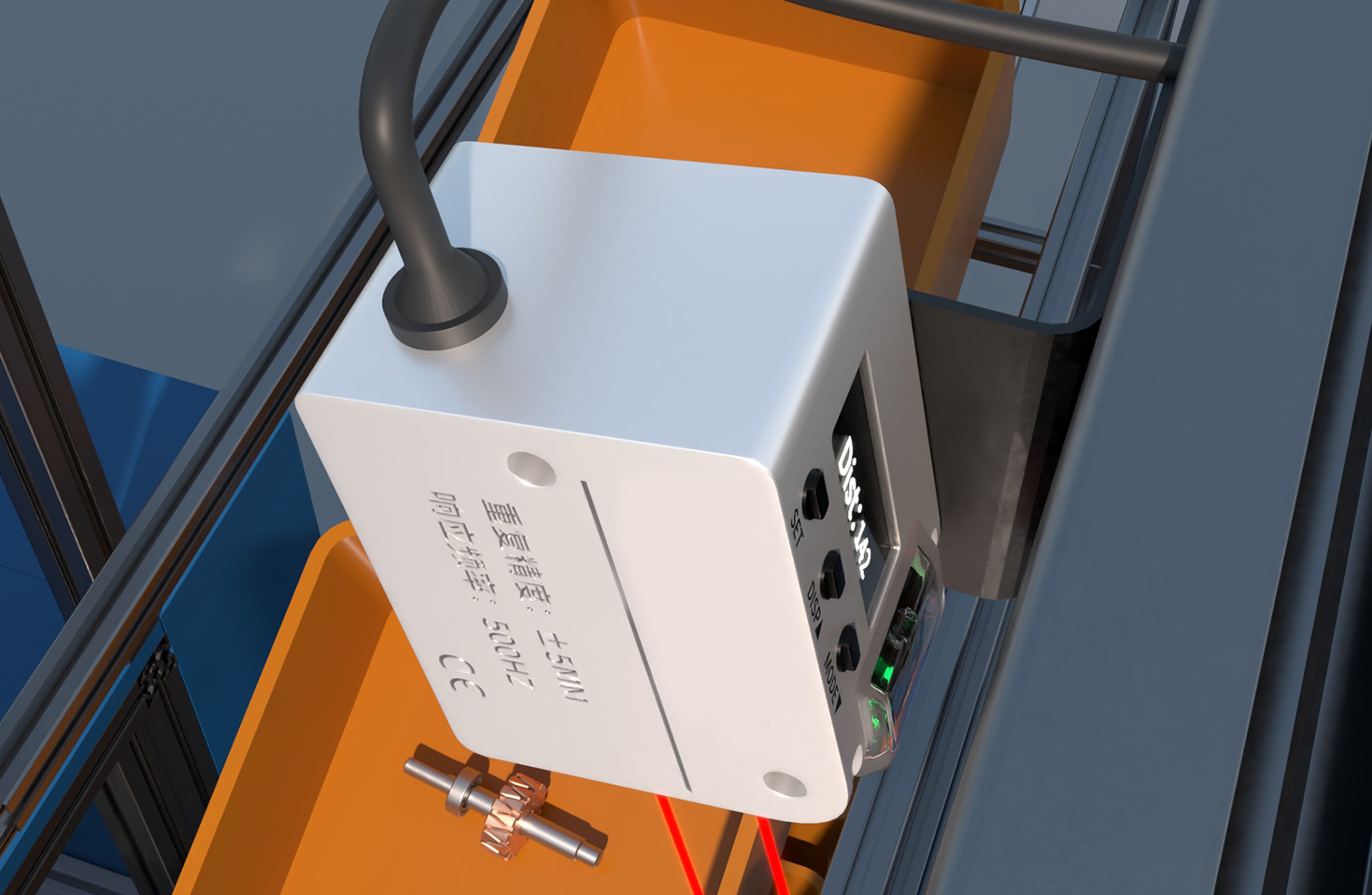
Laser snow depth sensors have become indispensable tools in environmental monitoring, hydrology, and climate research, providing high-precision measurements of snow accumulation. These sensors operate on the principle of time-of-flight (ToF) or phase-shift measurement, emitting laser pulses toward the snow surface and calculating depth based on the reflected signal. However, to ensure data accuracy and reliability, proper calibration is essential. This article delves into the calibration process, addressing key considerations for engineers and technicians in the field.
Calibration begins with understanding the sensor's specifications, including measurement range, resolution, and environmental tolerances. Manufacturers typically provide baseline calibration under controlled conditions, but field deployment introduces variables like temperature fluctuations, surface reflectivity changes, and atmospheric interference. A systematic approach involves both laboratory and on-site calibration phases. In the lab, sensors are tested against known reference distances using calibrated targets, often with materials simulating snow's albedo. Engineers adjust parameters such as signal gain and noise thresholds to optimize performance.
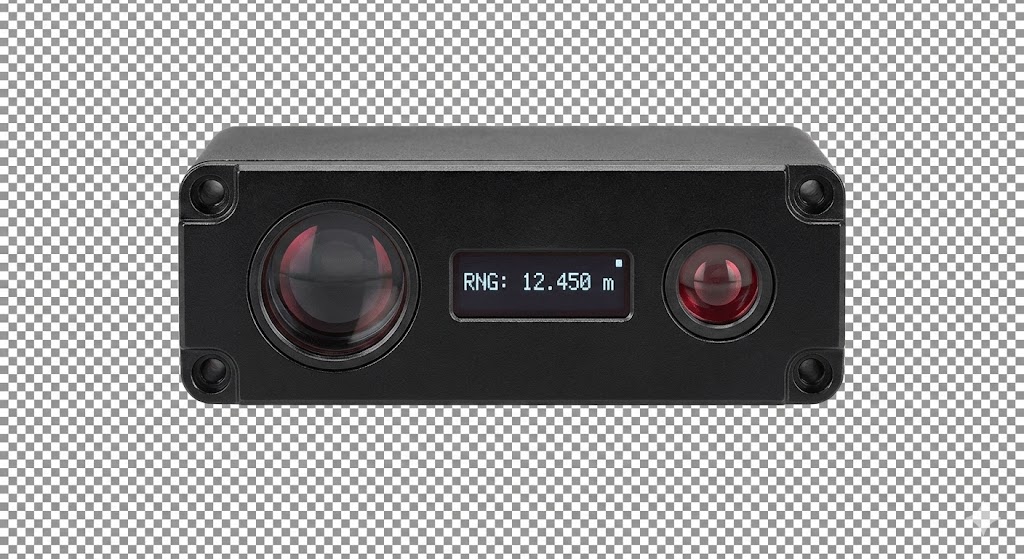
Field calibration requires selecting a stable, representative site with minimal vegetation or obstructions. A common method involves comparing sensor readings with manual measurements taken using snow probes or rulers at multiple points. Statistical analysis, including linear regression, helps identify offsets or biases. For instance, if a sensor consistently overestimates depth by 2 cm, a correction factor can be applied. Temperature compensation is critical, as cold conditions may affect laser diode efficiency and signal processing. Calibration curves should account for this, with adjustments based on real-time temperature data.
Regular maintenance and recalibration are recommended, especially after extreme weather events. Documentation of calibration procedures, including dates, conditions, and results, ensures traceability and compliance with industry standards like those from the World Meteorological Organization (WMO). By prioritizing precise calibration, engineers enhance the sensor's longevity and data integrity, supporting applications from avalanche prediction to water resource management.
In summary, laser snow depth sensor calibration is a multifaceted process blending technical expertise with environmental awareness. Through diligent practice, it enables trustworthy measurements that inform critical decisions in science and safety.