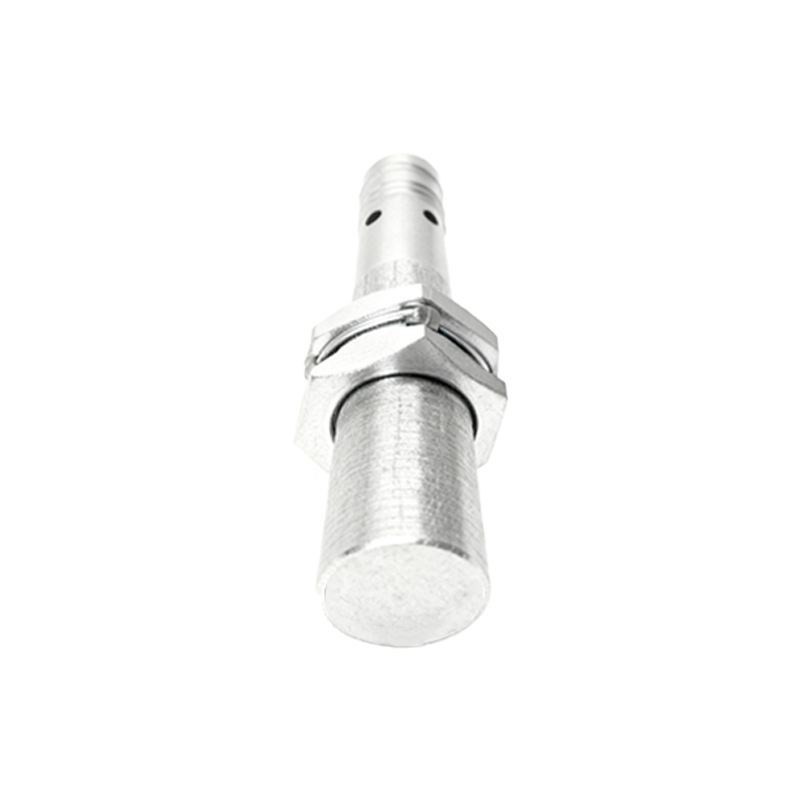
In the complex and often hazardous world of industrial operations, ensuring the safety of both personnel and wildlife while maintaining operational efficiency is a paramount concern. Animal proximity sensors have emerged as a critical technological solution, bridging the gap between industrial activity and the natural environment. These sophisticated devices are designed to detect the presence of animals within a predefined zone, triggering automated responses to prevent accidents, protect equipment, and safeguard animal life. Their application spans various sectors, including power generation, transportation, agriculture, and renewable energy, making them an indispensable tool for modern industrial safety protocols.
The core technology behind animal proximity sensors is diverse, allowing for tailored solutions based on specific environmental and operational needs. Common detection methodologies include passive infrared (PIR) sensors, which detect heat signatures and movement; microwave radar sensors, which emit radio waves to sense motion and distance; and acoustic sensors, which can identify specific animal sounds or movements. More advanced systems integrate video analytics with thermal imaging cameras, providing not only detection but also visual verification and species identification. The choice of sensor depends on factors such as the required detection range, the size of the target animal, environmental conditions (e.g., fog, rain, vegetation), and the need for minimizing false alarms.
One of the most critical applications is within the electrical utility sector. Wildlife, particularly birds and climbing mammals like squirrels, pose a significant risk to electrical substations and power lines. Contact can lead to electrocution, causing animal fatalities and triggering power outages that result in substantial financial losses and service disruptions. Strategically installed animal proximity sensors around substation perimeters or on transmission towers can detect approaching fauna. Upon detection, the system can activate deterrents such as audible alarms, flashing lights, or even mild, non-lethal electrical pulses to discourage animals from entering the danger zone. This proactive approach is far superior to reactive measures and aligns with growing corporate and regulatory responsibilities for biodiversity protection.
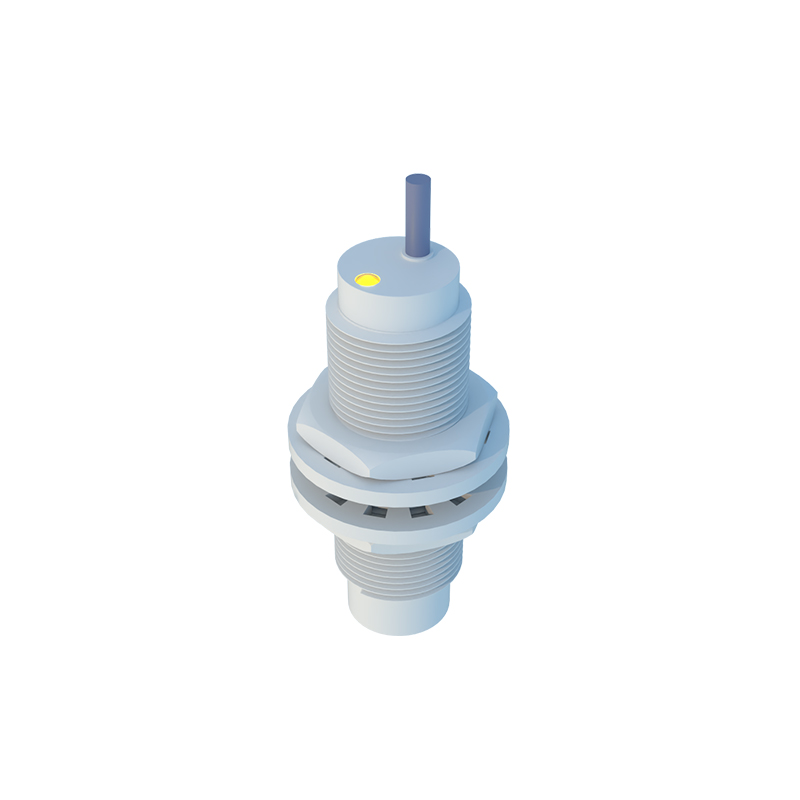
In transportation, particularly railways, animal-train collisions are a serious issue, causing damage to rolling stock, delays, and, of course, harm to animals. Sensors placed along high-risk track sections can detect large animals like deer or moose on the tracks. This data is instantly relayed to train operators or centralized control systems, enabling speed reduction or emergency braking. Furthermore, these systems can be linked to automated warning signs for motorists at nearby grade crossings, creating a comprehensive safety network. In agricultural settings, proximity sensors help in managing livestock, preventing animals from straying into restricted areas like machinery storage or chemical handling zones, thereby reducing the risk of injury and contamination.
The integration of these sensors into the Industrial Internet of Things (IIoT) framework represents the future of this technology. Modern animal proximity sensors are no longer standalone devices; they are intelligent nodes in a networked system. Equipped with wireless communication capabilities (e.g., LoRaWAN, cellular), they transmit real-time data to cloud-based platforms. Here, data analytics software processes the information, identifying patterns, predicting high-activity periods, and generating automated reports. Maintenance alerts can be sent when a sensor's performance degrades or its battery is low. This connectivity allows for remote monitoring and management of vast, often remote industrial sites from a central location, significantly improving responsiveness and reducing the need for physical patrols.
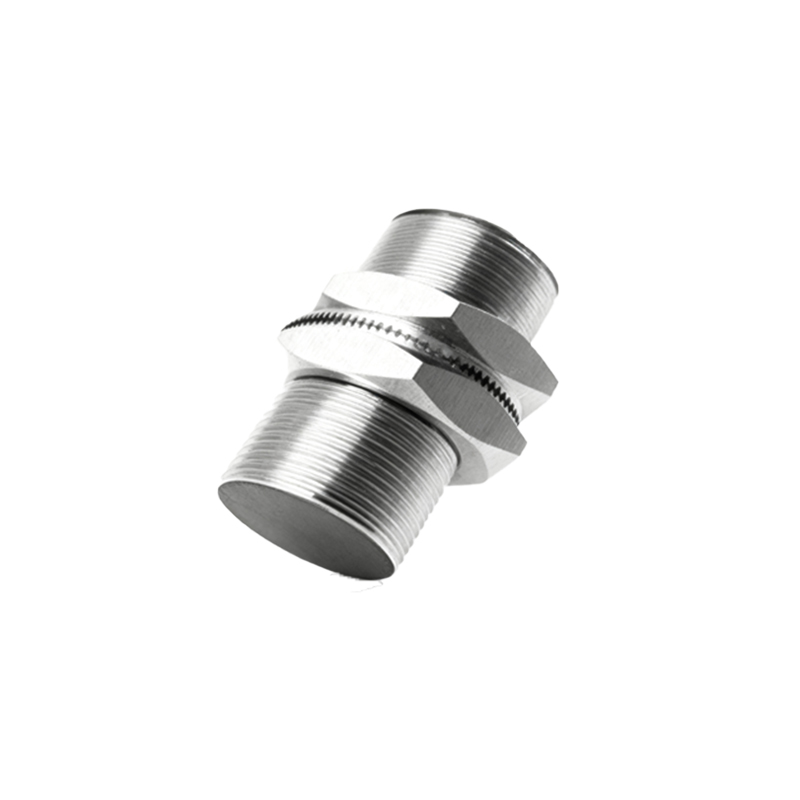
Despite their advantages, implementing an effective animal proximity sensor system requires careful planning. Key considerations include sensor placement for optimal coverage, calibration to ignore non-target movements (like swaying vegetation or passing vehicles), and ensuring robustness against harsh weather conditions. The system must be designed with a high probability of detection and a very low false-alarm rate to maintain operator trust. Furthermore, the choice of deterrent must be ethical, effective for the target species, and compliant with local wildlife protection regulations.
In conclusion, animal proximity sensors are a vital component of a responsible and efficient industrial ecosystem. They exemplify how engineering innovation can create synergistic solutions that protect valuable assets, ensure operational continuity, and fulfill environmental stewardship duties. As sensor technology, data analytics, and connectivity continue to advance, these systems will become even more precise, reliable, and integral to building safer, more sustainable industrial operations worldwide. The investment in such technology is not merely an operational expense but a commitment to safety, reliability, and ecological coexistence.