In the demanding world of industrial automation, sensor failure is not an option. Downtime translates directly to lost revenue and compromised safety. Among the critical components on any production line, proximity sensors stand as silent sentinels, detecting the presence or absence of objects without physical contact. Their durability directly impacts system reliability. This guide focuses on recommending proximity sensors built to withstand harsh environments, ensuring long-term, maintenance-free operation.
The cornerstone of durability in proximity sensors lies in their construction and sensing technology. Inductive sensors, for detecting metallic objects, and capacitive sensors, for both metallic and non-metallic materials, are the two primary types. For extreme durability, the housing material is paramount. Stainless steel housings, particularly models made from V4A (316L) stainless steel, offer exceptional resistance to corrosion, chemicals, and high-pressure washdowns common in food & beverage or pharmaceutical applications. For less corrosive but physically demanding environments, nickel-plated brass or PBT plastic housings provide robust protection at a lower cost.
Beyond the housing, the sensing face is a critical point of vulnerability. High-quality sensors feature a face made of PTFE (Teflon) or a specially formulated, thick epoxy resin. This protects the internal coil or electronics from physical abrasion, chip damage, and the ingress of cutting fluids or coolants in machining centers. Look for sensors with an ingress protection rating of at least IP67, which guarantees protection against dust and temporary immersion in water. For applications involving high-pressure cleaning, IP69K is the gold standard.
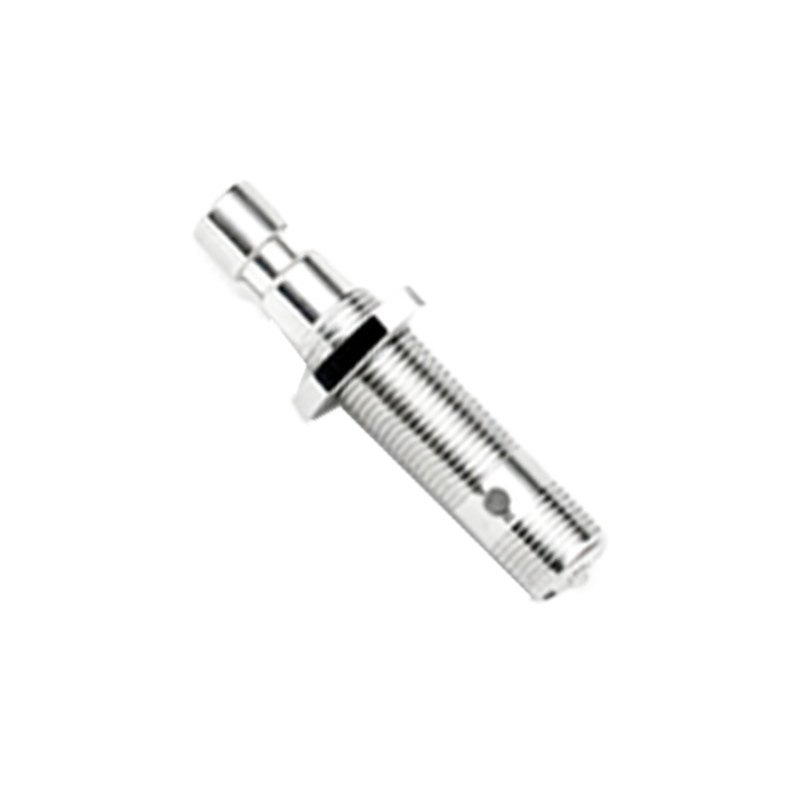
Environmental resilience is another key factor. Temperature tolerance is crucial. Standard sensors typically operate from -25°C to +70°C. For foundries, welding lines, or outdoor applications, seek out models with an extended range, such as -40°C to +100°C. Similarly, resistance to electromagnetic interference (EMI) is vital in facilities with heavy motor drives or welding equipment. Sensors with robust shielding and compliance with high EMI standards (like EN 60947-5-2) will maintain stable operation without false triggering.
For specific high-wear applications, certain designs excel. In cylinder position sensing, where the sensor is embedded in a hydraulic or pneumatic cylinder's aluminum body, a "factor 1" stainless steel face sensor is ideal. Its flush-mount design prevents mechanical damage from the piston and can handle the high lateral forces. In conveyor systems with constant vibration, sensors with ruggedized internal components and vibration-resistant mounting brackets are necessary to prevent loosening or internal breakage.
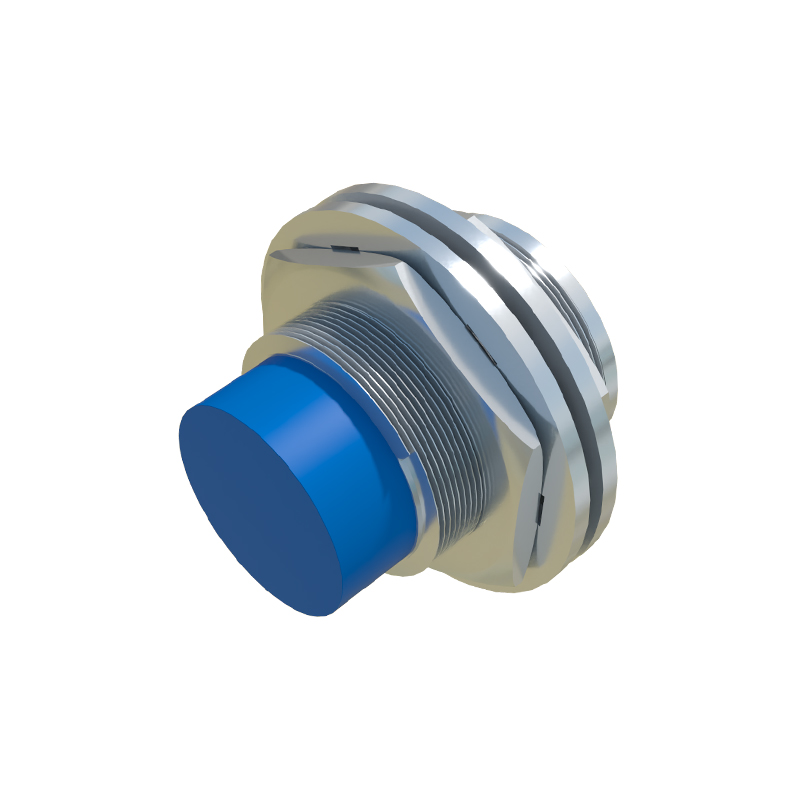
Based on these durability principles, here are general recommendations across common industrial needs:
For General Heavy-Duty Machining: Opt for inductive sensors with a solid stainless steel body (IP67/IP69K), a PTFE or robust epoxy face, and a wide temperature range. Brands known for machining-grade durability often feature reinforced cabling or M12 connectors with strain relief.
For Aggressive Chemical Environments: V4A (316L) stainless steel housing is non-negotiable. Capacitive sensors with this housing can detect liquid levels through tank walls, while inductive versions reliably detect parts on chemical processing lines. Ensure all seals are compatible with the specific chemicals present.
For High-Speed, High-Cycle Applications: Durability isn't just about physical strength but also longevity under constant use. Select sensors with a high switching frequency (e.g., 5 kHz or more) and a rated operational lifetime of tens of millions of cycles. The internal switching element (often a solid-state output) should be rated for high inrush currents.
For Food, Beverage, and Washdown Areas: Sensors must be hygienic and withstand caustic cleaners. Polished stainless steel (often 316L) housings with crevice-free designs and IP69K ratings are standard. Electropolished finishes further prevent bacterial growth. Look for certifications like EHEDG or 3-A Sanitary Standards.
Installation and wiring practices significantly affect a sensor's lifespan. Always use conduit or protected cable runs to shield cables from abrasion and UV exposure. Ensure proper grounding to dissipate electrical noise. Follow the manufacturer's guidelines for mounting distances; installing an inductive sensor too close to a metal background can cause premature failure through constant stress on the output stage.
In conclusion, investing in a durable proximity sensor means looking beyond the initial datasheet specifications. It requires an understanding of the specific environmental stressors—be it physical impact, chemical exposure, thermal extremes, or electrical noise. By prioritizing robust housing materials, high IP ratings, environmental tolerances, and application-specific designs, you select a component that delivers not just a signal, but unwavering reliability. This proactive approach minimizes unplanned downtime, reduces long-term replacement costs, and forms the bedrock of a resilient and efficient automation system.