Proximity sensors are indispensable components in modern industrial automation, providing non-contact detection of objects for countless applications. From assembly lines and robotic cells to material handling and machine guarding, their reliability is paramount. However, ensuring their safe and effective operation requires a comprehensive understanding of potential hazards and the implementation of robust safety protocols. This article outlines critical safety considerations for the selection, installation, and maintenance of proximity sensors in industrial environments.
The primary safety function of a proximity sensor is often to act as a critical part of a safety-related control system. It is vital to distinguish between standard sensors used for routine automation and those designated as "Safety Sensors" or components of a Safety Instrumented System (SIS). Safety-rated sensors (e.g., conforming to IEC 61496 or IEC 60947-5-3 for types with defined behavior under fault conditions) are designed with redundant circuits, self-monitoring, and diagnostics to achieve a specific Performance Level (PL) or Safety Integrity Level (SIL). Using a standard sensor where a safety-rated device is required is a fundamental and dangerous error. Always conduct a risk assessment per ISO 12100 to determine the necessary safety performance.
Electrical safety is the foundational layer of protection. Ensure all wiring complies with relevant standards (e.g., NEC, IEC). Proper grounding and shielding are mandatory to prevent electromagnetic interference (EMI) from causing erratic behavior, which could lead to unsafe machine operation. Use the correct voltage and current ratings, and incorporate appropriate circuit protection such as fuses or circuit breakers. For inductive and capacitive sensors, be mindful of their sensing characteristics. Inductive sensors detect metals and are generally immune to non-metallic substances, but capacitive sensors can be influenced by humidity, dust, or other environmental factors, potentially causing false triggering. Select the sensor type based on the specific application and environment.
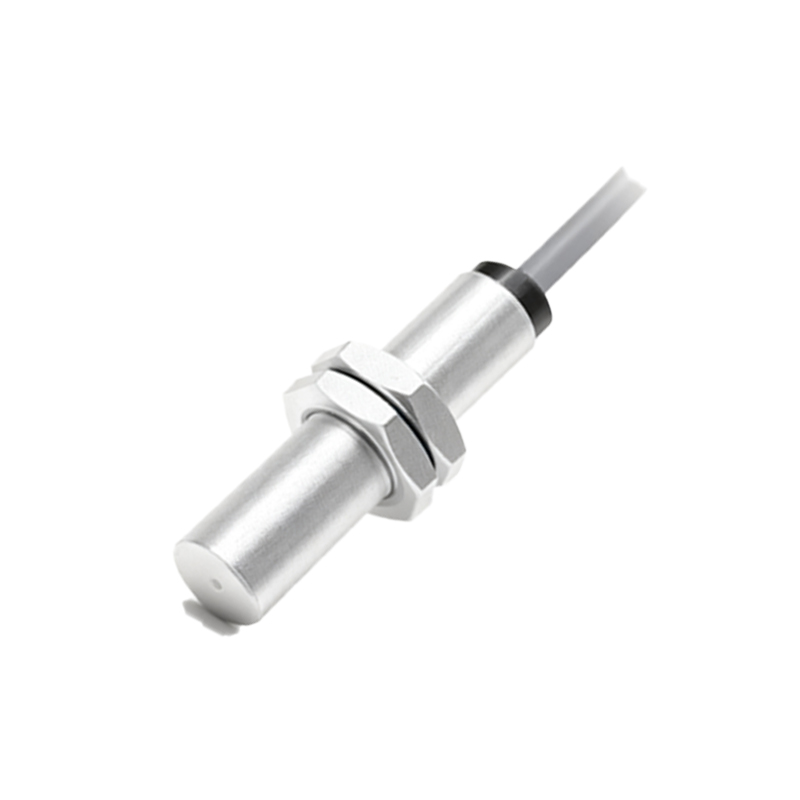
Mechanical installation directly impacts safety. The sensor must be securely mounted to prevent vibration-induced displacement, which could alter the sensing field and create a hazardous situation. Maintain the specified sensing distance (Sn) and ensure an adequate safety margin. Consider factors like temperature extremes, which can affect sensing range and housing integrity. For cylindrical sensors, correct mounting in metal versus non-metal surroundings (flush or non-flush) is crucial as it significantly alters the effective sensing range. Always reference the manufacturer's datasheet for installation specifications.

Environmental protection is non-negotiable. Select sensors with an Ingress Protection (IP) rating suitable for the operating conditions. Washdown areas require high IP ratings (e.g., IP67, IP69K) to resist water and chemical ingress. In hazardous locations with flammable gases or dust, sensors must carry appropriate certifications (e.g., ATEX, IECEx) to prevent ignition. Furthermore, physical damage from impacts, cutting, or abrasion must be prevented through the use of protective guards or by selecting sensors with robust, metal housings when necessary.
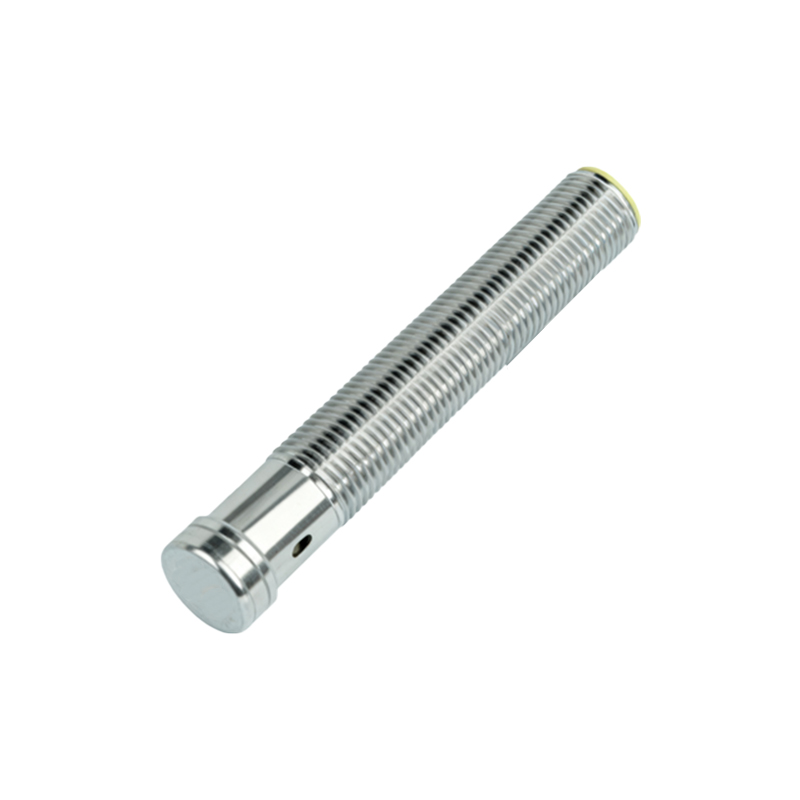
Regular inspection and maintenance form the cornerstone of ongoing safety. Establish a preventive maintenance schedule that includes:
Visual inspection for physical damage, corrosion, or contamination on the sensing face.
Verification of secure mounting and connections.
Functional testing to ensure the sensor activates and deactivates at the correct distance. Use the target material specified for testing.
Checking the alignment between the sensor and the target. Misalignment is a common cause of failure.
Monitoring for unusual sounds, heat, or output signal fluctuations.
Diagnostics play an increasingly important role. Many modern sensors offer diagnostic outputs (like IO-Link) that can provide data on operating health, signal strength, temperature, and more. Integrating these diagnostics into the control system allows for predictive maintenance, alerting personnel to potential issues before they result in a safety-critical failure.
Finally, never bypass or defeat a proximity sensor's function for operational convenience. A sensor that is taped over, mechanically held in the actuated state, or electrically bypassed completely nullifies the safety system, creating an immediate and severe hazard. All personnel must be trained to understand the safety role of these devices and the consequences of tampering.
In conclusion, proximity sensor safety is a multi-faceted discipline integrating correct product selection, proper installation, environmental hardening, and diligent maintenance. By adhering to international standards, manufacturer guidelines, and a culture of safety-first practices, engineers can ensure these vital components perform their functions reliably, safeguarding both personnel and equipment in the dynamic industrial landscape.