In the demanding world of industrial automation and machinery, environmental resilience is not a luxury but a necessity. Among the critical components ensuring reliable operation are proximity sensors, and their ability to withstand harsh conditions, particularly moisture and liquids, is paramount. This article delves into the concept of waterproof proximity sensors, explaining their significance, construction, standards, and key considerations for selection and application.
At its core, a waterproof proximity sensor is a non-contact sensing device designed to detect the presence or absence of an object without physical contact, while being specifically engineered to resist ingress from water and other liquids. This protection is crucial in environments where sensors are exposed to washdown procedures, high humidity, rain, splashing coolant, or even temporary submersion. A standard sensor, without such protection, would quickly fail due to short circuits, corrosion, or damage to its internal electronics, leading to costly downtime and maintenance.
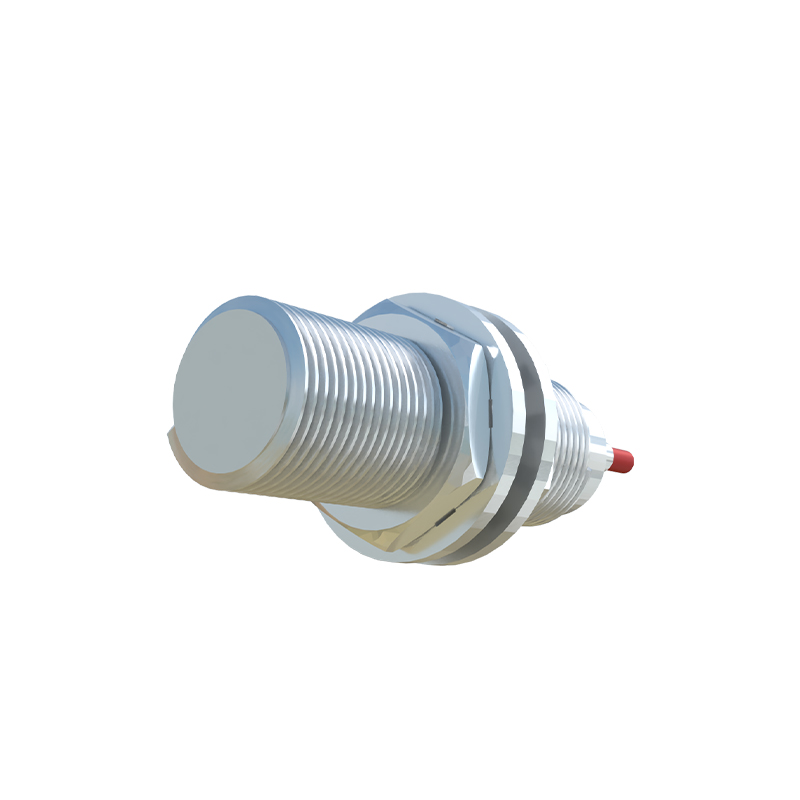
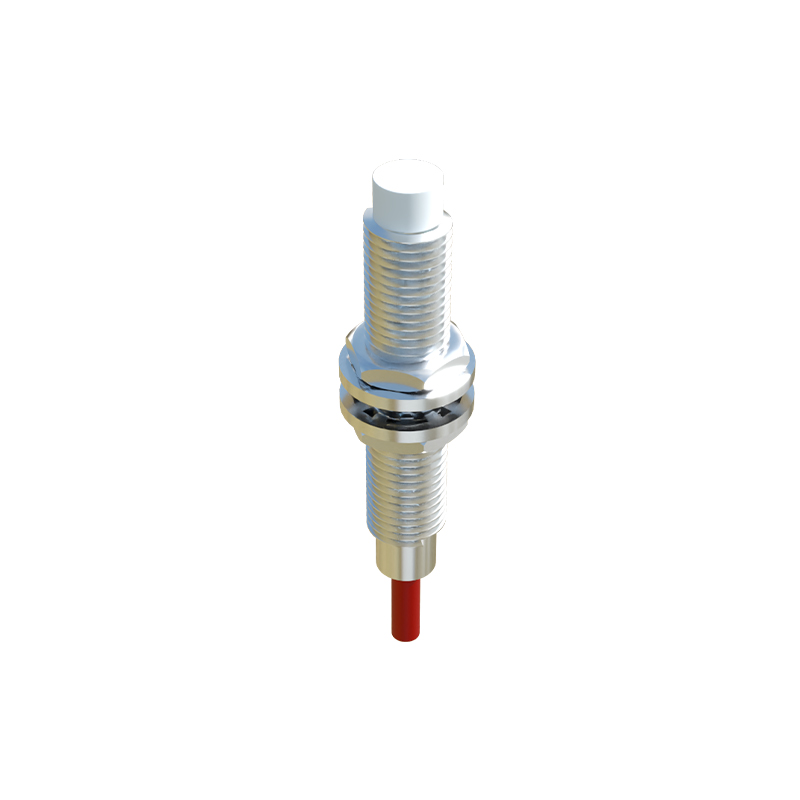
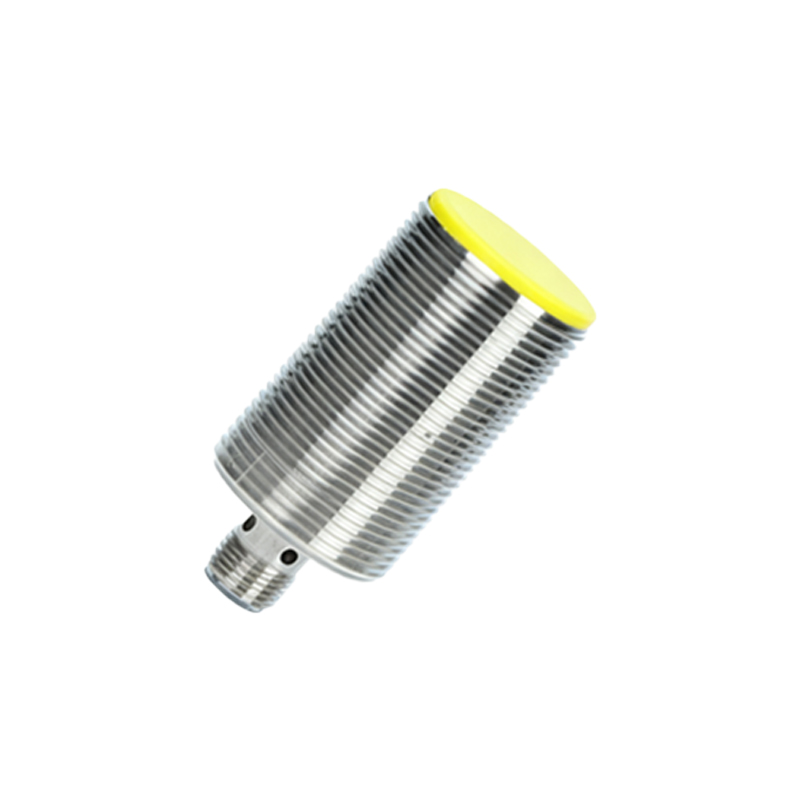
The waterproofing capability is primarily defined by two interconnected aspects: the physical design and the international protection rating. Physically, these sensors feature robust housings typically made from materials like stainless steel (e.g., SUS304, SUS316) or high-grade engineering plastics such as PBT or PPS. Critical points like the sensing face, cable entry, and housing seams are sealed using advanced techniques. O-rings, gaskets, and potting compounds (like epoxy resin) are meticulously employed to create hermetic seals. The cable itself is often a critical component, featuring a robust jacket material and a sealed gland where it enters the sensor body to prevent water from traveling along the cable strands into the electronics.
The degree of protection is quantitatively classified by the Ingress Protection (IP) rating system, as per the international standard IEC 60529. This rating is denoted by the letters "IP" followed by two digits. The first digit indicates protection against solid objects (like dust), and the second digit specifies protection against liquids. For waterproof proximity sensors, the second digit is of utmost importance.
IP67: This is a very common rating for industrial waterproof sensors. The '6' indicates complete protection against dust. The '7' means the sensor is protected against the effects of temporary immersion in water between 15 centimeters and 1 meter for up to 30 minutes. This is suitable for washdown areas and heavy splashing.
IP68: This rating offers a higher level of liquid protection. While the protection against dust is the same (level 6), the '8' indicates protection against prolonged immersion under conditions specified by the manufacturer (often at greater depths and for longer periods than IP67). Sensors with this rating are used in applications involving continuous submersion or high-pressure cleaning.
IP69K: This is the highest rating relevant to waterproofing. It signifies protection against close-range high-pressure, high-temperature spray downs. Sensors with an IP69K rating are designed to withstand the rigorous cleaning processes found in food & beverage, pharmaceutical, and chemical industries, where equipment must be cleaned with high-pressure steam or hot water jets.
Selecting the appropriate waterproof proximity sensor requires careful analysis of the application environment. Key factors include:
1. Liquid Type and Exposure: Is it fresh water, salt water, oils, coolants, or cleaning chemicals? The sensor's housing and seal material must be chemically compatible.
2. Pressure and Temperature: High-pressure washdowns or extreme temperature cycles can challenge even robust seals. Consider the maximum pressure and operating temperature range.
3. Installation Method: Proper installation is critical. Ensuring the sealing surfaces are clean, O-rings are not pinched, and the sensor is tightened to the specified torque is essential to maintain the IP rating.
4. Sensor Technology: Inductive (for metals), capacitive (for various materials including liquids), or ultrasonic sensors can all be built with waterproof housings. The choice depends on the target material.
In conclusion, a waterproof proximity sensor is an engineered solution for reliability in wet and harsh industrial environments. Its value lies in preventing failure, reducing maintenance costs, and ensuring continuous process integrity. Understanding the IP rating system, along with the specific environmental challenges of an application, is fundamental to selecting a sensor that will deliver long-term, dependable performance. By investing in properly rated and installed waterproof sensors, engineers and plant managers safeguard their automation systems against one of the most common causes of sensor failure: water ingress.