In the realm of modern electronics, the simple phrase "proximity sensor on" signifies a state of active detection, a gateway to countless automated and intuitive interactions. A proximity sensor, when switched on, is a device that detects the presence or absence of nearby objects without any physical contact. It achieves this by emitting an electromagnetic field or a beam of electromagnetic radiation, often infrared light, and then looking for changes in the field or return signal. The core principle is straightforward: when an object enters the sensor's predefined range, it disturbs the field, triggering the sensor to send an electrical signal to the connected system.
The activation—turning the proximity sensor on—is fundamental to its operation across diverse applications. One of the most ubiquitous examples is in smartphones. When you make a call and bring the phone close to your ear, the proximity sensor turns on automatically. It detects your ear and signals the phone's display to turn off. This "proximity sensor on" state prevents accidental screen touches, conserves battery power, and enhances user experience. Once you move the phone away, the sensor detects the absence of the object and turns the display back on.
Beyond consumer electronics, industrial automation heavily relies on these sensors being in an "on" or active state. On assembly lines, a proximity sensor on a conveyor belt can detect the arrival of a component, triggering the next step in the process, such as activation of a robotic arm or a stamping machine. Their non-contact nature makes them ideal for harsh environments where dirt, oil, or moisture would render mechanical switches ineffective. They are used for precise positioning, counting objects, and ensuring safety by detecting if a guard door is open or if a worker is too close to dangerous machinery.
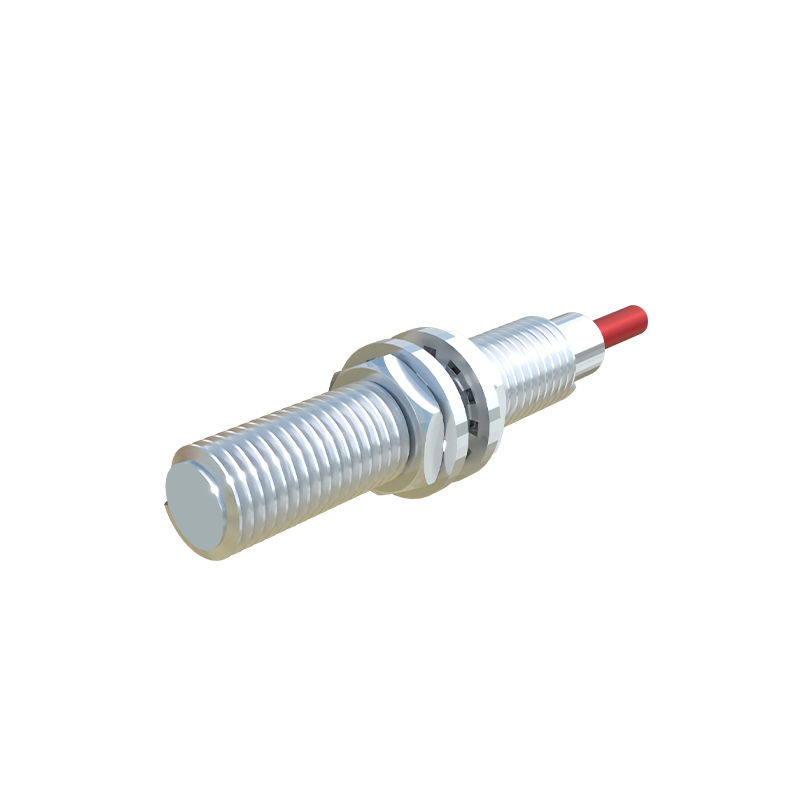
The automotive industry integrates numerous proximity sensors, often referred to in features like parking assist systems. When a driver engages reverse gear, these sensors turn on, creating an invisible detection field around the vehicle's bumper. As the car approaches an obstacle, the system provides audible or visual warnings. The "proximity sensor on" state here is crucial for safety, providing critical data that aids the driver in maneuvering in tight spaces.
Different types of proximity sensors exist, each with its own method for turning on and detecting objects. Inductive sensors detect metallic objects through a magnetic field. Capacitive sensors can detect both metallic and non-metallic materials like plastic, wood, or liquids by sensing changes in capacitance. Ultrasonic sensors use sound waves, making them suitable for detecting objects of various materials and under challenging conditions like dust or fog. Photoelectric sensors, using light beams, are excellent for long-range detection. The choice depends on the required sensing range, target material, environmental conditions, and needed response speed.
Ensuring a reliable "proximity sensor on" state requires proper installation and calibration. Factors such as sensing distance, the material of the target object, and environmental interference (like other electrical devices or ambient light) must be considered. For instance, a highly reflective object might be detected from a farther distance by an optical sensor than a dark, non-reflective one. Regular maintenance is also key to prevent false triggers or failures, which could disrupt an entire automated process.
Looking forward, the applications for activated proximity sensing continue to expand. In the Internet of Things (IoT) and smart home setups, proximity sensors turn on lights as a person enters a room or adjust thermostat settings based on occupancy. In public spaces, they can enable touchless interfaces for hygiene, such as automatic doors, faucets, and soap dispensers. The fundamental action of turning the proximity sensor on remains the silent, reliable trigger for smarter, more efficient, and more intuitive interactions between humans and machines.
In conclusion, the concept of "proximity sensor on" is far more than a technical status. It represents the initiation of a seamless, invisible layer of intelligence embedded in devices and systems around us. From preventing pocket dials to enabling complex industrial robotics and enhancing vehicle safety, the activated proximity sensor is a cornerstone of modern automation, driven by the simple, powerful act of non-contact detection.