In the rapidly evolving landscape of industrial automation, embedded proximity sensors have become indispensable components, offering non-contact detection capabilities that enhance efficiency and reliability. As an experienced electrical engineer, I often encounter inquiries regarding the pricing of these sensors, which can vary significantly based on multiple technical and market-driven factors. This article delves into the key elements influencing the cost of embedded proximity sensors, providing insights for professionals seeking to optimize their procurement strategies.
Firstly, the technology type plays a pivotal role in determining the price. Inductive proximity sensors, commonly used for detecting metallic objects, are generally more affordable due to their widespread adoption and mature manufacturing processes. In contrast, capacitive sensors, which can detect both metallic and non-metallic materials, tend to be priced higher due to their complex circuitry and calibration requirements. Photoelectric sensors, offering long-range detection, often command a premium, especially in high-precision applications. The choice of technology directly impacts the sensor's performance and, consequently, its market value.
Secondly, the sensing range and accuracy specifications are critical cost drivers. Sensors with extended detection distances or ultra-high precision typically incorporate advanced components, such as specialized lenses or refined electronic modules, leading to increased production costs. For instance, a sensor with a range of 20mm might be economically priced, while one capable of 50mm detection with micron-level accuracy could see a price jump of 30-50%. Engineers must balance operational needs with budget constraints, as over-specifying can unnecessarily inflate expenses.
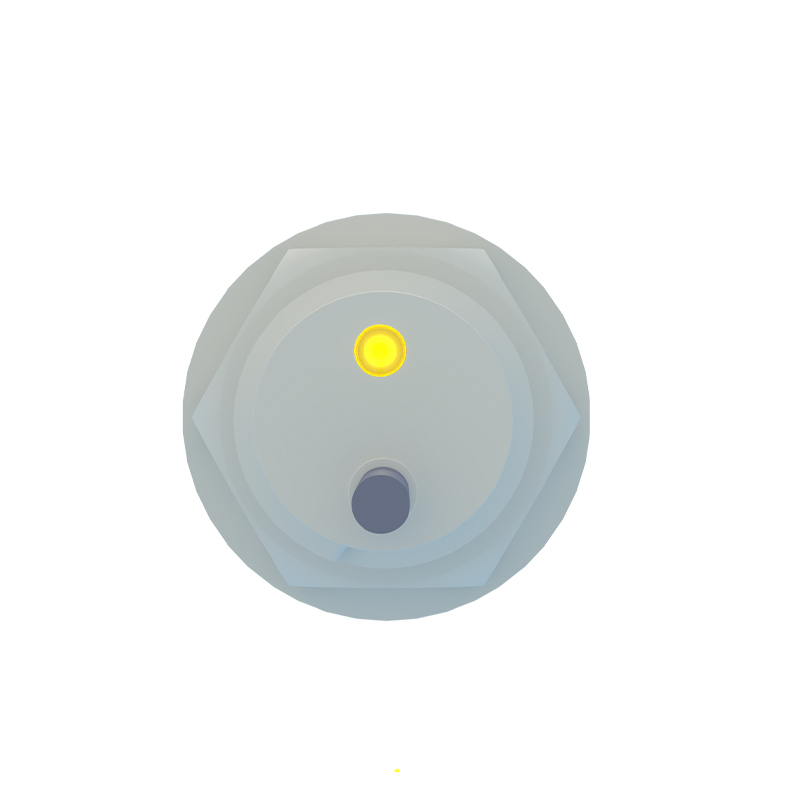
Thirdly, environmental ratings and durability features significantly affect pricing. Embedded proximity sensors designed for harsh conditions—such as those with IP67, IP69K, or NEMA ratings for water, dust, and chemical resistance—require robust housing materials and sealed construction. These enhancements add to material and labor costs, making them more expensive than standard models. Additionally, sensors rated for extreme temperatures or high-vibration environments often include specialized components, further elevating their price point.
Fourthly, the output configuration and connectivity options influence the overall cost. Basic sensors with simple PNP or NPN outputs are typically lower in price, while those with analog outputs (e.g., 4-20mA or 0-10V) or digital interfaces (e.g., IO-Link, Ethernet/IP) involve more complex electronics and firmware, resulting in higher costs. The integration of smart features, such as self-diagnostics or programmable settings, can also add a premium, but these may offer long-term savings through reduced maintenance and downtime.
Fifthly, brand reputation and supply chain dynamics play a substantial role in pricing. Established manufacturers with a track record of reliability and comprehensive support often charge more for their products, reflecting investments in research, quality control, and customer service. Conversely, generic or lesser-known brands might offer lower prices but could compromise on consistency or longevity. Market factors like raw material availability, geopolitical tensions, and demand surges (e.g., during industry 4.0 initiatives) can cause price fluctuations, making it essential to monitor trends and plan purchases accordingly.
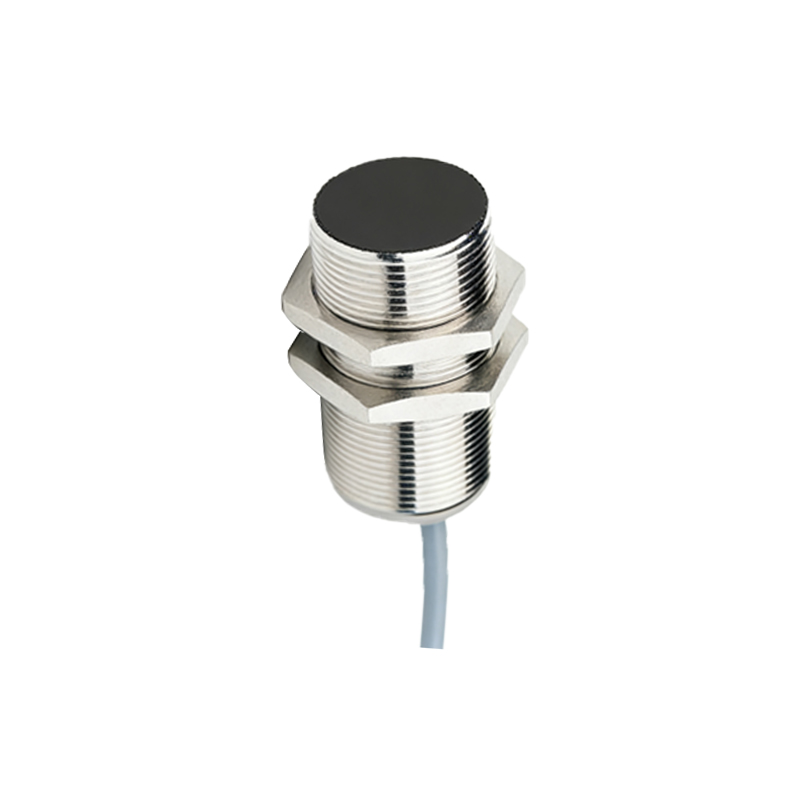
In terms of actual price ranges, embedded proximity sensors can start from as low as $15 for basic inductive models in bulk orders, while high-end photoelectric or specialized sensors may exceed $200 per unit. For example, a standard inductive sensor with a 5mm range and IP67 rating might cost around $25-$40, whereas a capacitive sensor with similar specs could be priced at $50-$80. Customized solutions, such as those with unique form factors or integration requirements, often involve additional engineering fees, pushing costs even higher.
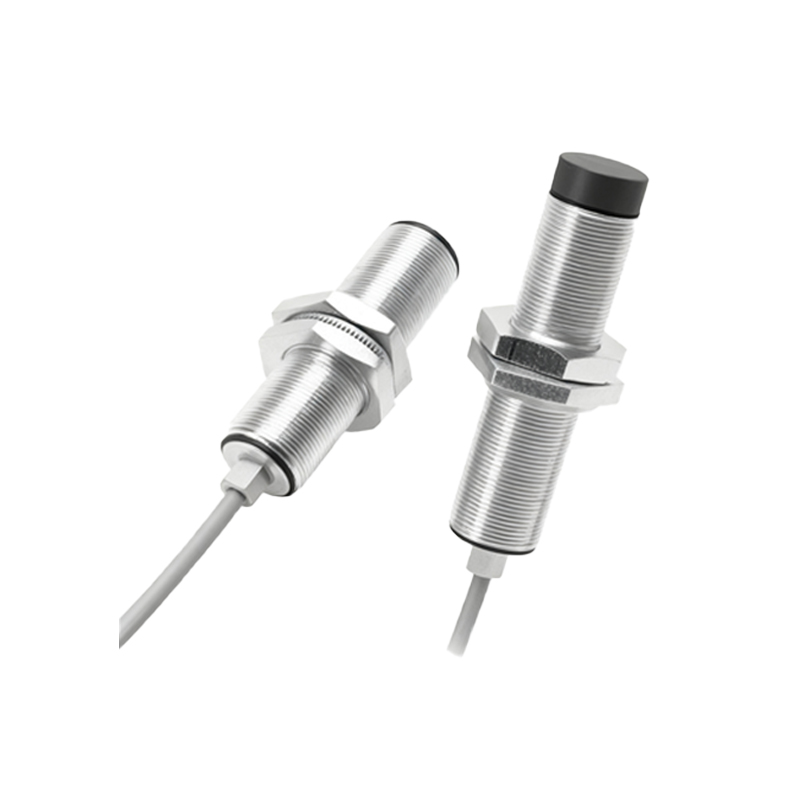
To optimize expenditure, engineers should conduct a thorough application analysis, selecting sensors that match exact operational needs without over-engineering. Leveraging volume discounts, exploring reputable mid-tier brands, and considering total cost of ownership—including installation, maintenance, and potential downtime—can lead to more informed decisions. As technology advances, prices may gradually decrease for standard models, but innovation in smart sensors and IoT connectivity will likely introduce new premium segments.
In conclusion, the cost of embedded proximity sensors is a multifaceted issue shaped by technical specifications, environmental demands, and market forces. By understanding these factors, electrical professionals can make strategic choices that align with both performance goals and budgetary limits, ensuring sustainable automation solutions.