In the dynamic and precision-driven world of industrial automation, proximity switches and sensors form the foundational layer of data acquisition and machine control. As an experienced electrical engineer, I often emphasize that a deep, practical understanding of these components is not merely academic—it is critical for designing robust, efficient, and safe systems. This article serves as both a technical primer and an evaluative tool, presenting key concepts followed by practical examination questions to test and solidify your engineering knowledge.
Core Principles and Types
At their essence, proximity devices are non-contact sensors that detect the presence or absence of an object within a defined sensing range without physical contact. This principle eliminates mechanical wear and allows for high-speed, reliable operation. The primary technologies include:
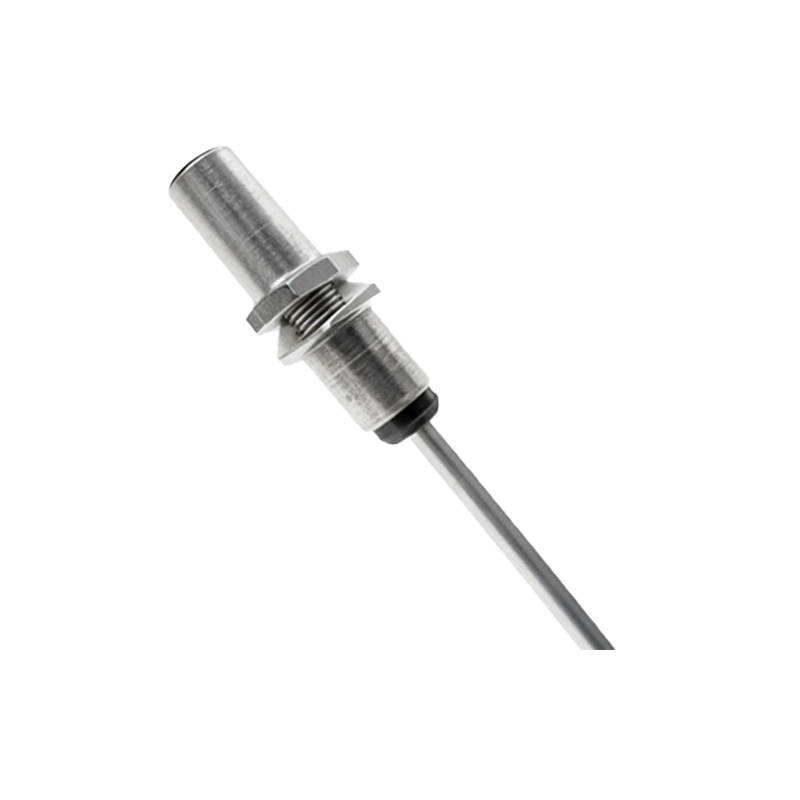
1. Inductive Proximity Sensors: These sensors generate an electromagnetic field. When a metallic object (ferrous or non-ferrous) enters this field, it induces eddy currents within the target, causing a change in the sensor's oscillation amplitude. This change is detected and converted into a switching signal. They are ideal for detecting metals in harsh environments with prevalent dirt, oil, or coolant.
2. Capacitive Proximity Sensors: These sensors can detect both metallic and non-metallic materials (plastics, wood, liquids, granules) by measuring changes in capacitance. The sensor and the target act as two plates of a capacitor. As the target approaches, the capacitance increases, triggering the switch. They are commonly used for level detection, material handling, and presence sensing of non-metals.
3. Ultrasonic Sensors: Operating on the principle of sound wave echo, these sensors emit high-frequency sound pulses and measure the time taken for the echo to return. They are excellent for distance measurement, level sensing of liquids and bulk solids, and detecting objects regardless of color, transparency, or material.
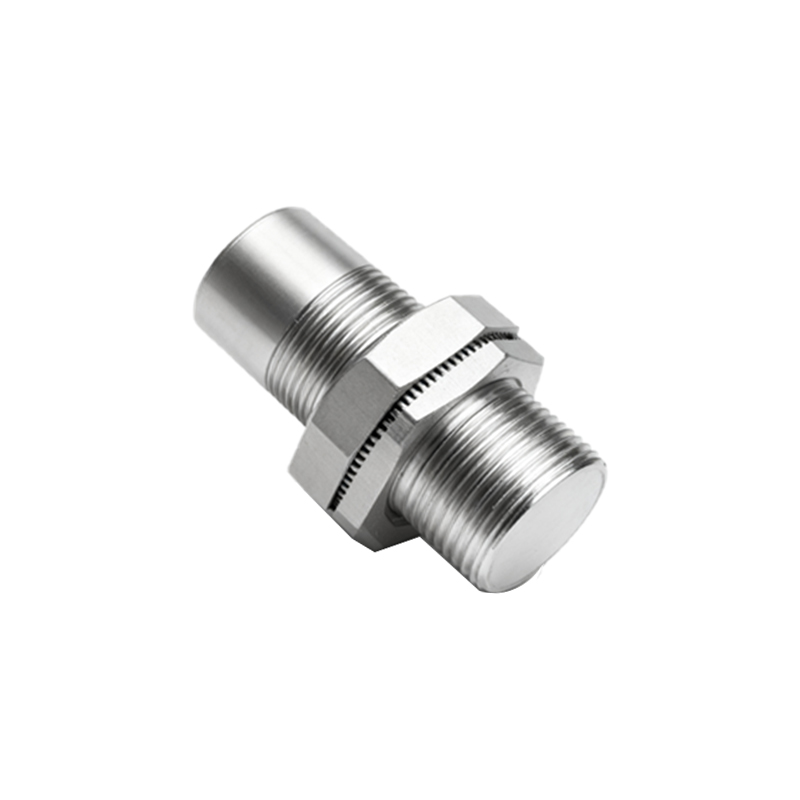
4. Photoelectric Sensors: Utilizing a light transmitter (often LED) and a receiver, these sensors detect objects based on the interruption or reflection of a light beam. Variants include through-beam, retro-reflective, and diffuse reflective modes. They offer long sensing ranges and can detect virtually any material.
Critical Selection Parameters
Choosing the correct sensor requires a systematic analysis of the application:
Sensing Distance: The nominal operating distance (Sn) and the practical, derated safe operating distance.
Output Configuration: PNP (sourcing) vs. NNP (sinking) transistor outputs, relay contacts, or analog outputs (4-20mA, 0-10V). Wiring compatibility with the PLC input module is paramount.
Housing Material and Protection Rating: IP67 (dust-tight and protected against temporary immersion) or IP69K (high-pressure, high-temperature washdown) ratings are common requirements in industrial settings.
Switching Frequency: The maximum number of on/off cycles per second, crucial for high-speed counting or sorting applications.
Environmental Factors: Temperature extremes, electromagnetic interference (EMI), and exposure to chemicals must be considered.
Practice Examination Questions
Test your applied knowledge with the following questions, typical of those found in professional certification or rigorous internal training programs.
Section A: Fundamental Concepts
1. An inductive proximity sensor is consistently failing to detect stainless steel parts on a conveyor line, while it works perfectly for mild steel. What is the most likely technical reason, and what parameter should you re-evaluate when selecting a replacement?
2. Explain the fundamental operational difference between a PNP and an NPN DC proximity sensor output. Include a simple schematic showing the connection to a PLC digital input card for each type.
3. A capacitive sensor tasked with detecting a plastic bottle is being falsely triggered by background moisture condensation. Describe two practical countermeasures an engineer can implement on-site to resolve this issue.
Section B: Application and Troubleshooting
4. You are designing a system to count transparent glass bottles on a high-speed filling line. Photoelectric sensors are the obvious choice. Which specific operating mode (through-beam, retro-reflective, or diffuse) would you select and why? Justify your choice by discussing immunity to ambient light and color variation.
5. A normally-open (NO) inductive sensor with a 10mm sensing range is installed to detect metal gears. The sensor's output is wired to a PLC counter input. During commissioning, the counter registers double counts for a single gear pass. Describe the probable cause related to sensor mounting and the physical solution to correct it.
6. An ultrasonic sensor on a bulk tank shows erratic level readings. The maintenance log indicates recent work was done on a large pneumatic valve manifold mounted nearby. What is the likely source of interference, and what steps should be taken to verify and mitigate the problem?
Section C: System