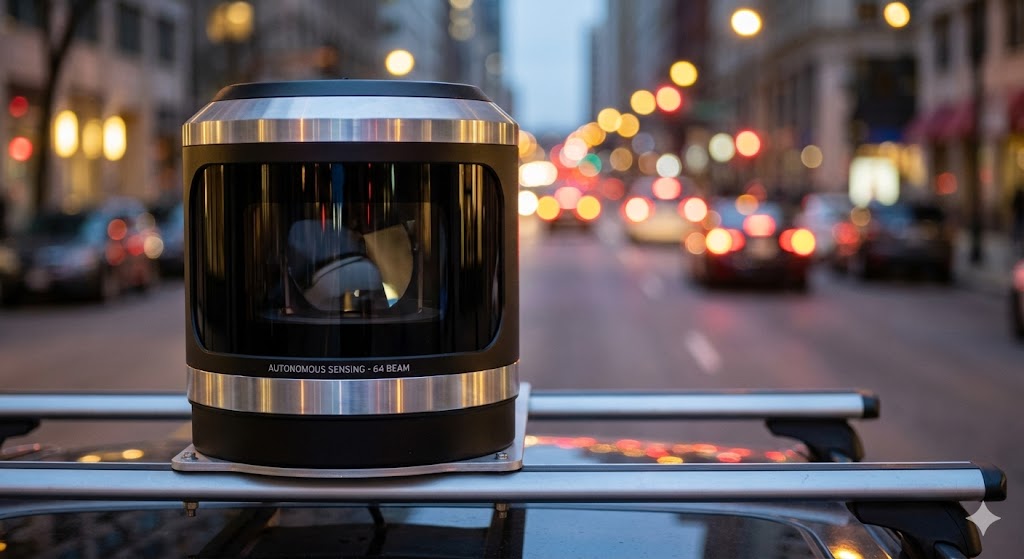
Laser sensors have become indispensable tools across a wide range of industrial applications, offering unparalleled precision, speed, and reliability. Their core principle involves emitting a focused laser beam toward a target and analyzing the reflected light to measure distance, displacement, position, or presence. This non-contact measurement capability is a fundamental advantage, eliminating mechanical wear and tear on both the sensor and the target object. In manufacturing and automation, this translates to longer equipment lifespans, reduced maintenance costs, and the ability to measure delicate or high-speed objects without physical interference.
One of the most significant advantages of laser sensors is their exceptional accuracy and resolution. Capable of micron-level measurements, they are critical in quality control processes such as verifying component dimensions, checking for surface defects, or ensuring precise alignment in assembly lines. For instance, in semiconductor fabrication or precision machining, even a deviation of a few micrometers can lead to product failure. Laser sensors provide the consistent, high-resolution data necessary to maintain stringent tolerances.
Speed is another key benefit. Laser sensors can perform thousands of measurements per second, making them ideal for high-speed production environments. This rapid response time allows for real-time monitoring and instantaneous feedback to control systems. On a fast-moving conveyor belt, laser sensors can instantly detect incorrect part placement, measure fill levels in bottles, or sort items based on height or profile without slowing down the production flow. This contributes directly to increased throughput and operational efficiency.
Furthermore, laser sensors exhibit remarkable versatility and adaptability. They can be configured for various measurement modes, including diffuse reflection, retro-reflective, and through-beam setups, to suit different environmental challenges and target properties. Advanced models are equipped with features to compensate for challenging conditions like ambient light interference, varying surface colors, or textures. Some sensors utilize red laser beams for easy alignment, while others employ Class 1 invisible lasers for safety in complex setups. Their robust designs often meet high Ingress Protection (IP) ratings, allowing reliable operation in dusty, humid, or vibratory industrial settings where other sensors might fail.
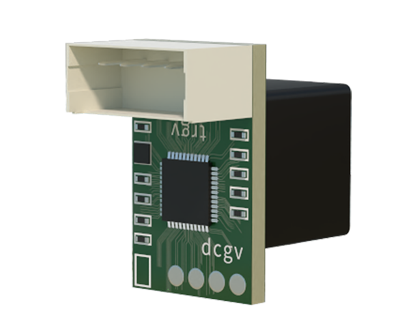
The integration of laser sensors with Industry 4.0 frameworks amplifies their value. They generate precise digital data that can be seamlessly fed into PLCs (Programmable Logic Controllers), SCADA systems, or cloud-based analytics platforms. This enables predictive maintenance, trend analysis, and process optimization. By providing a constant stream of accurate measurement data, laser sensors form the backbone of intelligent, data-driven decision-making in smart factories.
In summary, the adoption of laser sensor technology offers a compelling return on investment through enhanced product quality, reduced waste, minimized downtime, and optimized production speeds. Their non-contact nature, combined with high precision, fast response, and environmental robustness, makes them a superior choice for modern industrial measurement and inspection tasks. As technology advances, we can expect laser sensors to become even more compact, intelligent, and integral to the automation landscape, driving innovation and efficiency across sectors from automotive and electronics to pharmaceuticals and logistics.