Proximity sensors are indispensable components in modern industrial automation, enabling non-contact detection of objects across various sectors. This article provides a comprehensive analysis of leading proximity sensor technologies from key manufacturing regions, highlighting their distinct advantages and typical applications.
In Germany, precision engineering defines the market. German manufacturers excel in producing inductive and capacitive sensors renowned for exceptional durability and accuracy, even in harsh environments. These sensors often feature robust housings, high switching frequencies, and advanced diagnostic capabilities. They are extensively deployed in automotive manufacturing lines, packaging machinery, and heavy industrial equipment where reliability is paramount. The emphasis is on long-term performance, seamless integration with Industry 4.0 systems, and compliance with stringent international standards.
Japanese sensor technology prioritizes miniaturization and high-speed performance. Japanese companies are pioneers in developing ultra-compact, high-precision photoelectric and magnetic sensors. These devices are integral to the electronics assembly, semiconductor fabrication, and precision robotics industries. Their key strengths include incredibly fast response times, resistance to environmental interference like dust or oil mist, and exceptional repeatability. The design philosophy often focuses on energy efficiency and seamless integration into complex, high-speed automated systems.
The United States showcases innovation in specialized and ruggedized sensor solutions. U.S.-based manufacturers lead in developing sensors for challenging applications, including extreme temperatures, high-pressure washdowns, and corrosive atmospheres. This expertise is critical for the oil and gas, aerospace, and agricultural machinery sectors. Furthermore, significant advancements come from the integration of smart features, such as IO-Link connectivity for predictive maintenance and data logging, enhancing overall system intelligence and uptime.
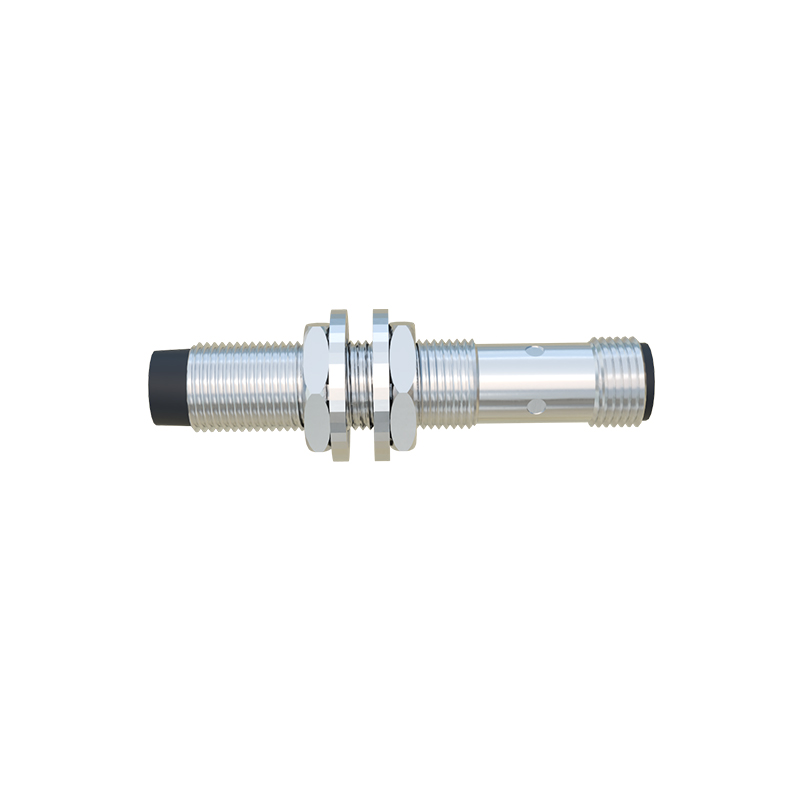
Emerging manufacturing hubs, particularly in Southeast Asia, have made substantial strides by offering cost-effective and highly reliable sensor solutions. These regions produce a vast range of standard inductive, capacitive, and ultrasonic sensors that balance performance with affordability. They have become the backbone for global consumer electronics production, general material handling, and entry-level automation systems, making automation technology accessible to a broader range of industries.
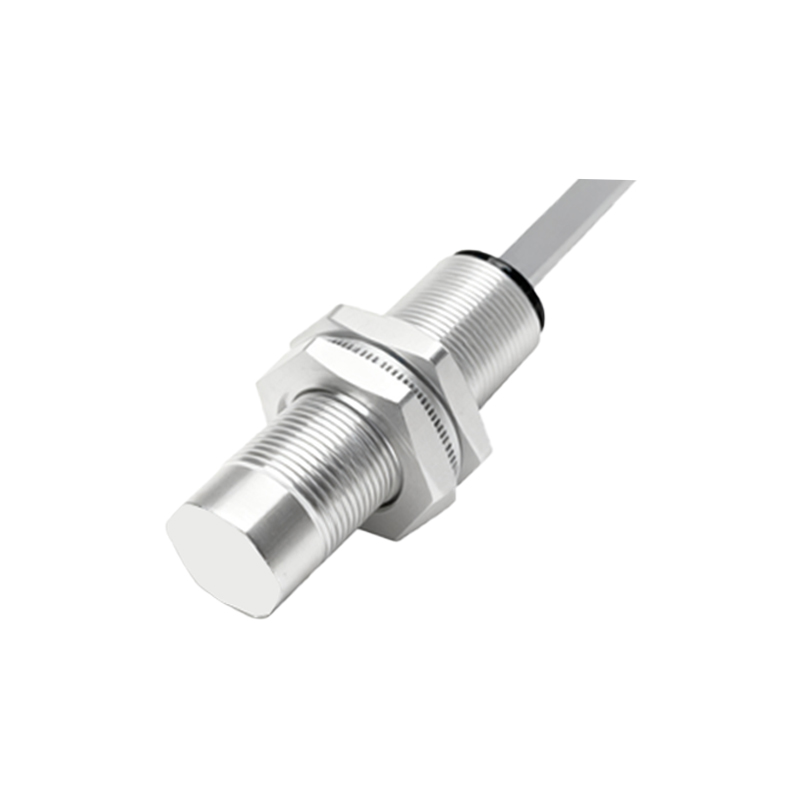
The choice of sensor technology—inductive for metals, capacitive for non-metals and liquids, photoelectric for long-range detection, or ultrasonic for challenging surfaces—depends entirely on the application's specific requirements. Key selection criteria include sensing distance, target material, environmental conditions (IP rating, temperature range), output type, and mounting constraints.
Looking forward, the global trend is toward greater intelligence and connectivity. The next generation of proximity sensors will feature enhanced communication protocols, self-diagnostic functions, and the ability to provide process data beyond simple on/off signals. This evolution supports the growing demand for smart factories and Industrial Internet of Things (IIoT) ecosystems, where sensors become critical data points for optimizing entire production processes. Regardless of origin, the continuous innovation in proximity sensing technology remains a fundamental driver of efficiency, safety, and productivity in automation worldwide.