Proximity switch speed sensors are critical components in modern industrial automation, providing non-contact detection and precise rotational speed measurement for machinery and equipment. These sensors operate on the principle of electromagnetic induction or capacitive sensing, detecting the presence or absence of a metallic target—such as a gear tooth, keyway, or bolt head—without physical contact. This non-contact nature ensures minimal wear, high reliability, and long service life, even in harsh environments with dust, moisture, or vibration.
In typical configurations, a proximity switch is mounted near a rotating shaft equipped with a target. As the shaft rotates, the sensor generates a pulse signal each time the target passes by. By counting these pulses over a specific time interval, the rotational speed (RPM) can be accurately calculated. Advanced models integrate signal conditioning circuits to filter noise and provide stable output signals, such as NPN/PNP transistor outputs or analog voltage/current signals, compatible with PLCs (Programmable Logic Controllers) and control systems.
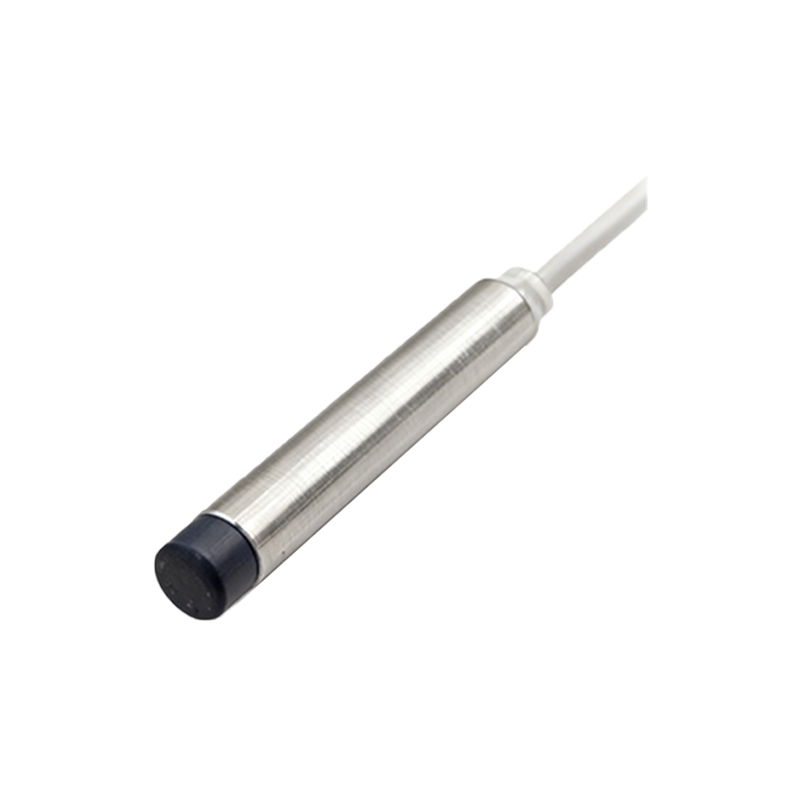
Key advantages of proximity switch speed sensors include high accuracy, fast response times (often in microseconds), and immunity to environmental factors like oil or dirt. They are widely used in applications such as motor speed monitoring, conveyor belt systems, turbine control, and automotive assembly lines. For instance, in conveyor systems, these sensors ensure proper belt alignment and detect slippage by monitoring roller speed. In manufacturing, they help prevent equipment damage by triggering alarms when speeds deviate from set thresholds.
Installation and calibration require careful attention to factors like sensing distance, target material, and mounting orientation. Inductive proximity sensors, the most common type, work best with ferrous metals, while capacitive variants can detect non-metallic materials. Proper shielding is essential to avoid electromagnetic interference from nearby motors or cables. Regular maintenance involves checking for physical damage, verifying output signals, and ensuring clean sensing surfaces.
Emerging trends include the integration of IoT (Internet of Things) capabilities, enabling real-time data logging and predictive maintenance. Smart sensors with embedded diagnostics can alert operators to potential failures before they occur, reducing downtime. Additionally, miniaturization and enhanced durability are expanding their use in compact or extreme-condition applications.
In summary, proximity switch speed sensors are indispensable for industrial automation, offering robust, accurate speed monitoring that enhances operational efficiency and safety. Their continued evolution aligns with Industry 4.0 demands for smarter, connected systems.