Proximity switch sensors are critical components in modern concrete pump trucks, ensuring operational safety, precision, and efficiency. These non-contact sensors detect the presence or absence of metallic objects within their sensing range, triggering actions such as boom movement control, outrigger positioning, and pipeline pressure management. In the demanding environment of construction sites, where reliability is paramount, understanding the selection, application, and maintenance of these sensors is essential for engineers and technicians.
The primary function of a proximity switch sensor in a pump truck is to monitor the position of the boom and its sections. As the boom extends or retracts, sensors provide real-time feedback to the control system, preventing over-extension or collision. Inductive proximity sensors are commonly used due to their ability to detect ferrous metals like steel, which constitutes most boom structures. These sensors operate on the principle of electromagnetic induction: an oscillator generates a high-frequency field that, when disturbed by a metallic target, alters the oscillation amplitude, signaling detection. This non-contact method reduces wear and tear compared to mechanical limit switches, enhancing durability in harsh conditions.
Another vital application is in outrigger safety systems. Proximity sensors verify whether outriggers are fully deployed or retracted, ensuring stability during pumping operations. If a sensor fails to detect proper deployment, the control system can inhibit boom movement, preventing potential tip-overs. For this purpose, sensors with high ingress protection (IP) ratings, such as IP67 or IP69K, are recommended to withstand dust, water, and vibration. Additionally, temperature-resistant models are crucial, as pump trucks often operate in extreme climates, from freezing winters to scorching summers.
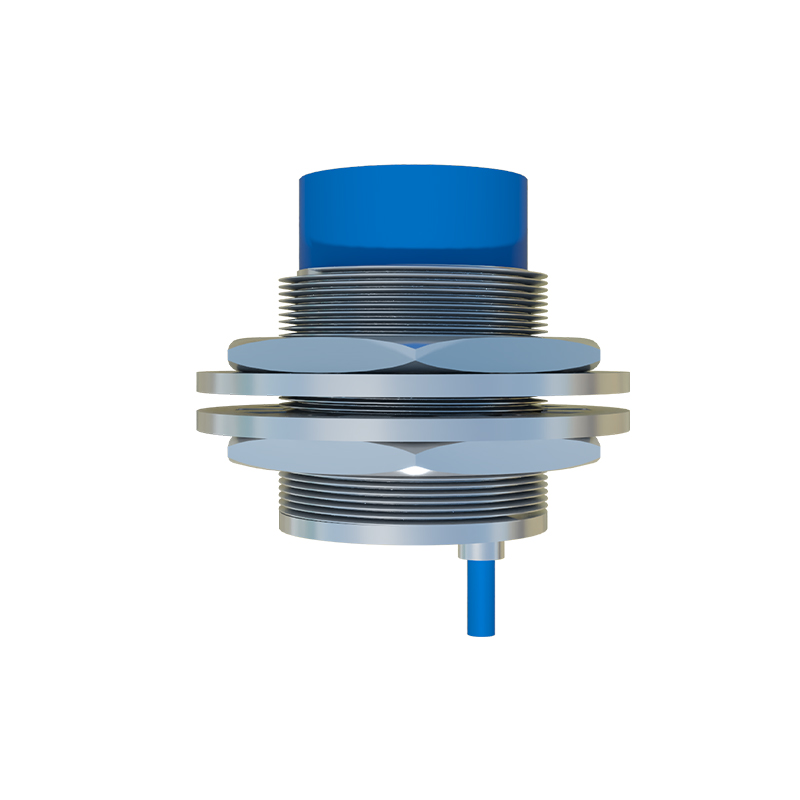
Pipeline pressure monitoring also relies on proximity sensors. In concrete pumping, blockages or leaks can cause dangerous pressure spikes. Sensors installed near pressure valves detect valve position changes, allowing the system to adjust pump speed or trigger alarms. Here, the response time of the sensor is critical—typically under 1 millisecond—to ensure rapid intervention. Engineers should prioritize sensors with short-circuit and overload protection to avoid downtime from electrical faults.
Selecting the right proximity sensor involves several factors. Sensing distance, or the range at which a target can be detected, must match the application. For boom positioning, a standard sensing distance of 5-10 mm may suffice, while outrigger systems might require up to 20 mm. The sensor’s housing material is another consideration; stainless steel or nickel-plated brass housings offer corrosion resistance against concrete splashes and chemicals. Furthermore, output types—such as NPN (sinking) or PNP (sourcing)—must be compatible with the pump truck’s PLC (Programmable Logic Controller). Incorrect wiring can lead to system failures, so consulting the manufacturer’s datasheet is imperative.
Installation and alignment are equally important. Sensors should be mounted securely to minimize vibration-induced false signals. The target object must pass within the sensor’s effective range without angular deviation; misalignment can reduce sensing accuracy. Regular maintenance, including cleaning lens surfaces and checking cable integrity, helps prevent malfunctions. In high-vibration environments, using sensors with built-in damping or shock-absorbing mounts can extend service life.
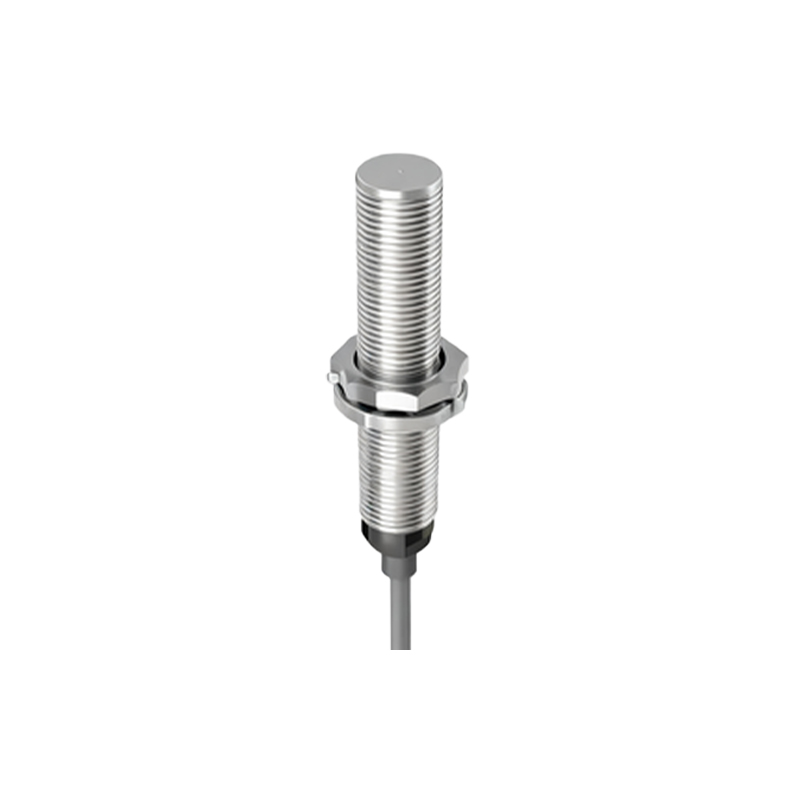
Common issues with proximity sensors in pump trucks include false triggering from environmental interference, such as electromagnetic noise from nearby equipment. Shielding cables and ensuring proper grounding can mitigate this. Another challenge is sensor drift, where the sensing distance changes over time due to temperature fluctuations or component aging. Calibration during routine inspections—using a metallic test piece—can identify drift early. For critical systems, redundant sensors provide a backup, enhancing reliability.
Advancements in sensor technology are shaping the future of pump truck automation. Smart sensors with IO-Link communication enable real-time diagnostics, allowing operators to monitor sensor health and performance remotely. These sensors can transmit data on parameters like temperature and switch cycles, facilitating predictive maintenance. Additionally, the integration of IoT (Internet of Things) platforms allows fleet managers to analyze sensor data across multiple vehicles, optimizing operational efficiency and reducing maintenance costs.
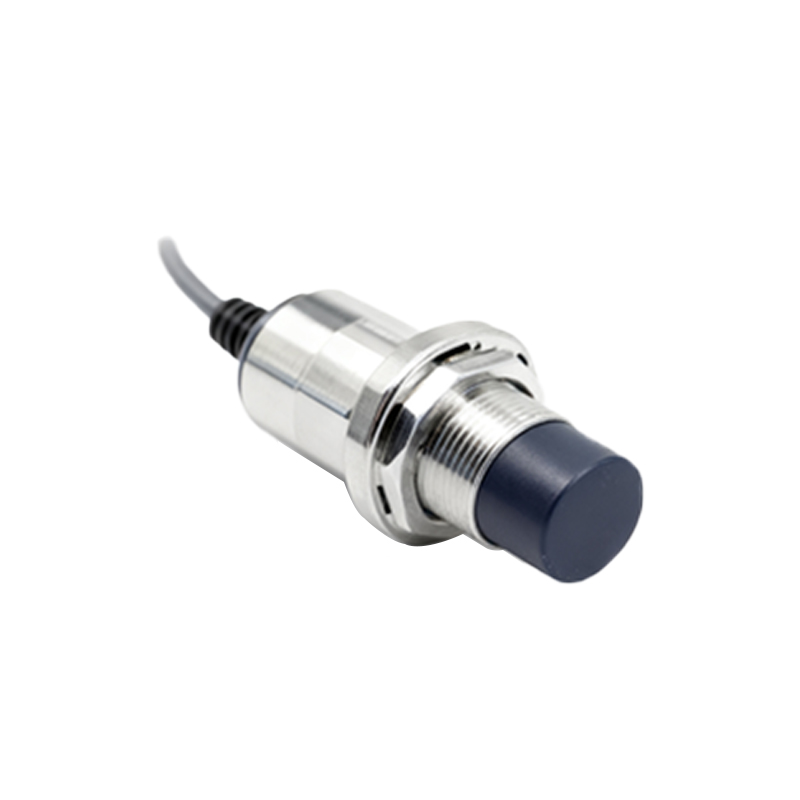
In conclusion, proximity switch sensors are indispensable for the safe and efficient operation of concrete pump trucks. By understanding their principles, applications, and maintenance requirements, engineers can ensure these systems perform reliably under tough conditions. As technology evolves, embracing smart sensor solutions will further enhance safety and productivity in the construction industry.