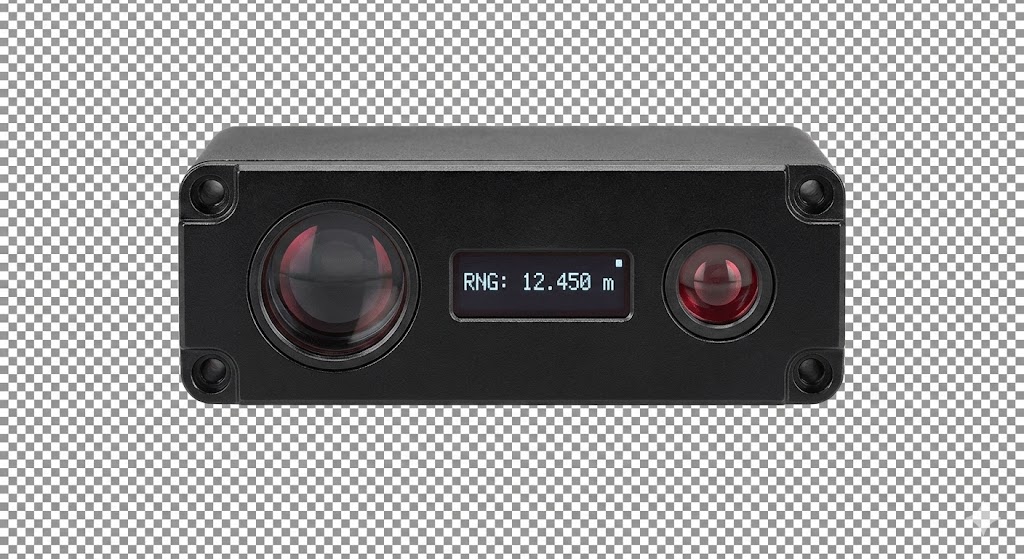
In the realm of industrial automation and quality control, the ability to accurately detect, differentiate, and verify colors is paramount. Color laser sensors have emerged as sophisticated, high-precision tools designed to meet this critical need. Unlike conventional photoelectric sensors that primarily respond to light intensity, color laser sensors utilize advanced optical principles to analyze the spectral characteristics of a target, providing reliable data on hue, saturation, and brightness. This capability makes them indispensable in applications where color consistency is a direct indicator of product quality, safety, or compliance.
The core technology behind a color laser sensor typically involves a laser light source, often a red, green, or blue laser diode, and a high-resolution spectrometer or a set of filtered photodiodes. The sensor emits a focused laser beam onto the target surface. The reflected light is then captured and analyzed. By comparing the reflected spectrum to predefined reference values or a learned color model, the sensor can precisely identify colors and even subtle shades. Key performance metrics include repeatability, measurement speed, and resistance to ambient light interference. Modern sensors incorporate algorithms for color space conversion (e.g., RGB to CIELAB) and offer teach-in functions for easy setup, allowing them to adapt to complex backgrounds and varying surface textures.
The applications for color laser sensors are vast and span numerous industries. In the automotive sector, they are used to verify the correct color of wiring harnesses, inspect paint quality on body panels, and ensure the proper placement of color-coded components. Within pharmaceutical packaging, these sensors check the correctness of label colors and printed expiry dates, crucial for patient safety and regulatory adherence. The food and beverage industry relies on them to sort products by ripeness (e.g., fruits), grade quality based on color, and inspect packaging materials. In electronics manufacturing, they verify the presence and color of LEDs, resistors, and other components on printed circuit boards. Furthermore, in printing and textile industries, they play a vital role in color matching and defect detection, ensuring brand consistency and high product standards.
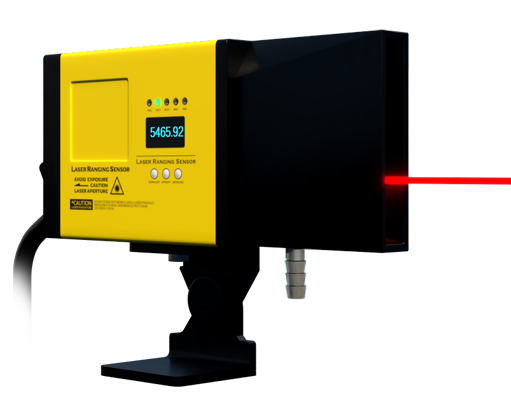
Selecting the appropriate color laser sensor for a specific task requires careful consideration of several technical parameters. First, the required sensing distance and spot size must be evaluated; a focused laser is ideal for small targets, while a diffuse type might be needed for larger or uneven surfaces. Second, the resolution, or the sensor's ability to distinguish between similar colors, is critical for high-precision tasks. The response time, often in the microsecond range, must align with production line speeds. Environmental factors such as dust, moisture, and temperature fluctuations necessitate sensors with suitable ingress protection (IP) ratings. Finally, the output interface—whether discrete digital I/O, analog voltage/current, or industrial communication protocols like IO-Link or Ethernet/IP—must integrate seamlessly with the existing control system. Leading manufacturers continually innovate, offering models with integrated lighting to stabilize conditions, multi-point measurement for area inspection, and sophisticated software for data logging and analysis.
In conclusion, color laser sensors represent a significant leap forward in optical sensing technology. Their precision, speed, and versatility solve complex inspection challenges that are beyond the capability of monochrome sensors. As industries push for higher levels of automation, zero-defect manufacturing, and traceability, the role of these sensors will only become more central. Engineers and system integrators must stay informed about technological advancements to leverage their full potential, ensuring robust, efficient, and intelligent automation solutions that enhance product quality and operational productivity across the global industrial landscape.