In today's automated and safety-conscious industrial landscape, proximity sensors are indispensable components. Their ability to detect the presence or absence of an object without physical contact makes them vital for applications ranging from assembly lines and packaging machinery to automotive safety systems and consumer electronics. A common and critical question for engineers, procurement specialists, and business owners is: "What is the price of a proximity sensor?" The answer is not a single figure but a spectrum influenced by a complex interplay of technology, performance, and market factors.
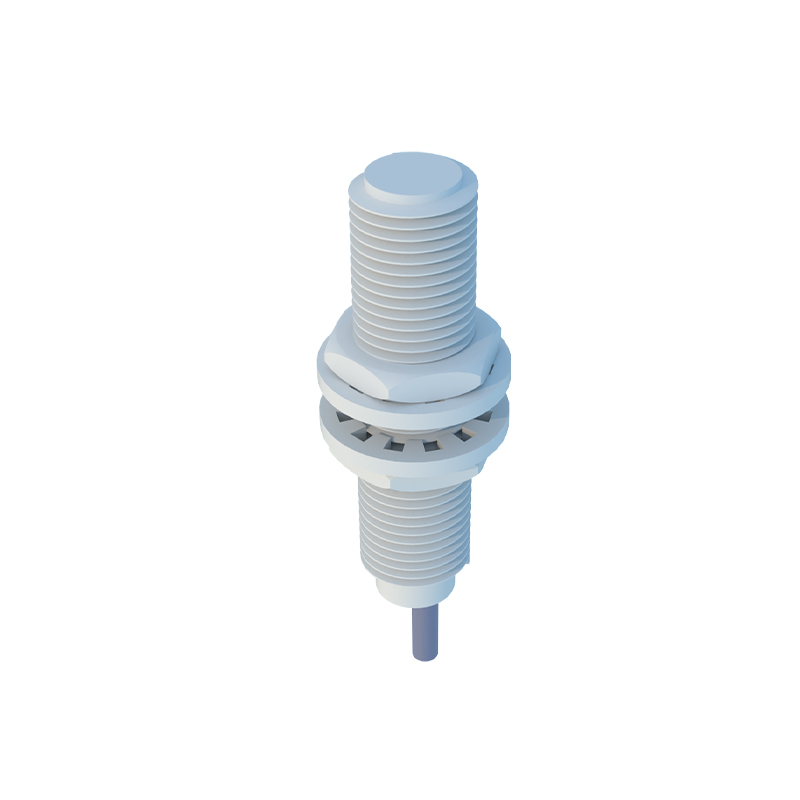
Understanding the core technologies is the first step to deciphering cost. Inductive proximity sensors, which detect metallic objects, are generally the most economical. Their simplicity and robustness for metal detection tasks keep prices competitive, often starting as low as $15-$30 for standard cylindrical models in moderate volumes. Capacitive sensors, capable of detecting both metallic and non-metallic materials like liquids, plastics, or wood, typically carry a 20-40% premium over their inductive counterparts due to their more complex circuitry and adjustment requirements.
Photoelectric sensors, using beams of light, represent a broad category with significant price variance. Basic through-beam or diffuse reflective models can be priced similarly to mid-range inductive sensors. However, advanced versions with background suppression, precise fiber optic units, or long-range capabilities can easily cost $100 to $300 or more. Ultrasonic sensors, excellent for distance measurement and level detection in challenging environments, also occupy a higher price bracket, frequently ranging from $80 to $250 based on range and accuracy.
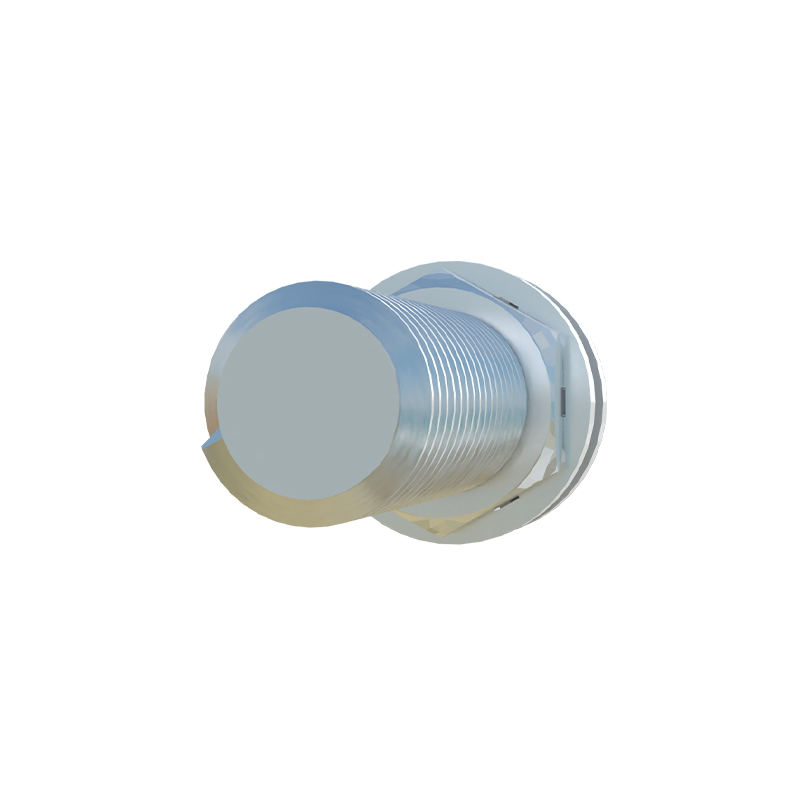
Beyond the core sensing principle, specifications dramatically impact the price. Sensing range is a primary driver; a sensor with a 2mm range will cost less than an identical-technology sensor with a 20mm range. The housing material is another key factor. Standard plastic or nickel-plated brass housings are cost-effective, while sensors designed for harsh environments with stainless steel (particularly V4A/AISI 316L) or specialized chemical-resistant coatings command a higher price. Form factor also matters; miniature sensors for tight spaces often have a higher cost-per-unit due to precise manufacturing requirements.
Features like embedded IO-Link communication for digital data exchange, increased switching frequency, or exceptional temperature tolerance add layers of functionality and cost. A basic sensor might simply provide a switching signal, while a "smart" sensor with IO-Link can transmit parameter data, condition monitoring alerts, and facilitate quick changeovers, justifying a price that can be double that of a standard model.
The supply chain and purchase channel are equally crucial. Buying a single sensor from a distributor will incur the highest unit cost. Volume purchasing through Original Equipment Manufacturer (OEM) agreements or authorized distributors can reduce the unit price significantly. The brand carries weight; established global manufacturers like Sick, Omron, Pepperl+Fuchs, or Balluff are associated with high reliability, extensive documentation, and global support, which is reflected in their pricing, often 20-50% higher than generic or lesser-known brands. However, these generic brands can offer substantial savings for non-critical applications, with prices sometimes 30-70% lower, though potentially at the expense of long-term consistency and availability.
Market dynamics exert constant pressure. Raw material costs for metals, plastics, and electronic chips directly influence the bottom line. Global semiconductor shortages have historically caused price increases and extended lead times for many sensor families. Furthermore, compliance with international standards (e.g., ATEX for explosive atmospheres, IEC for safety) involves additional testing and construction, increasing the manufacturing cost and final price for certified products.
In conclusion, proximity sensor prices are a function of a detailed specification sheet. When evaluating cost, one must move beyond the initial purchase price and consider the Total Cost of Ownership (TCO). This includes factors like installation time, reliability (which affects downtime), longevity, and compatibility with existing systems. Investing in a slightly more expensive, feature-appropriate sensor from a reputable supplier often proves more economical than repeated replacements of a cheaper, inadequate unit. For an accurate quote, it is always best to consult with sensor specialists or distributors, providing them with detailed application requirements including target material, required range, environmental conditions, electrical interface, and required approvals.