In the complex and high-stakes world of railway operations, the precise detection of approaching and arriving trains is a cornerstone of safety and efficiency. Train approach and arrival sensors, sophisticated electronic devices strategically deployed along tracks and within stations, serve as the silent sentinels of modern rail networks. These systems are integral to signaling, traffic management, and automated control, forming a critical layer in the prevention of collisions and the optimization of scheduling.
Fundamentally, these sensors are designed to detect the presence, speed, and sometimes the identity of a train within a designated section of track. The technology employed varies based on application requirements, environmental conditions, and the desired data granularity. Among the most prevalent types are track circuits, axle counters, and various forms of non-contact sensors.
The traditional track circuit remains a widely used method. It involves applying a low-voltage electrical current to a defined block of track. When a train's wheels and axles enter this block, they short-circuit the current, changing its state. This change is detected by a relay or electronic unit, confirming the train's occupancy. While reliable, track circuits can be susceptible to issues like poor ballast resistance in wet conditions.
Axle counters offer a more discrete solution. They consist of sensor pairs (often using electromagnetic induction) installed at the entry and exit points of a track section. Each axle passing the sensor increments a counter. By comparing the count at the entry and exit points, the system determines if the section is occupied or clear. This method is less affected by track condition and allows for more flexible track sectioning.
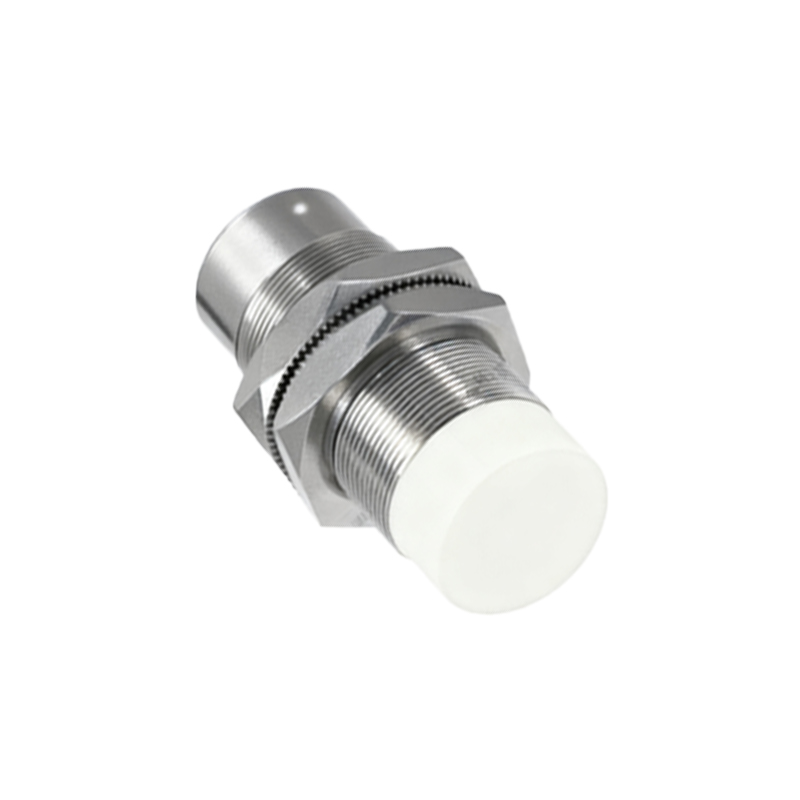
For advanced functionality, non-contact technologies are increasingly dominant. Doppler radar sensors, for instance, are excellent for approach detection. Mounted beside the track, they emit microwave signals. The frequency shift (Doppler effect) in the signal reflected from a moving train is analyzed to calculate its speed and distance. This data is crucial for grade crossing activation, station approach sequencing, and speed restriction enforcement.
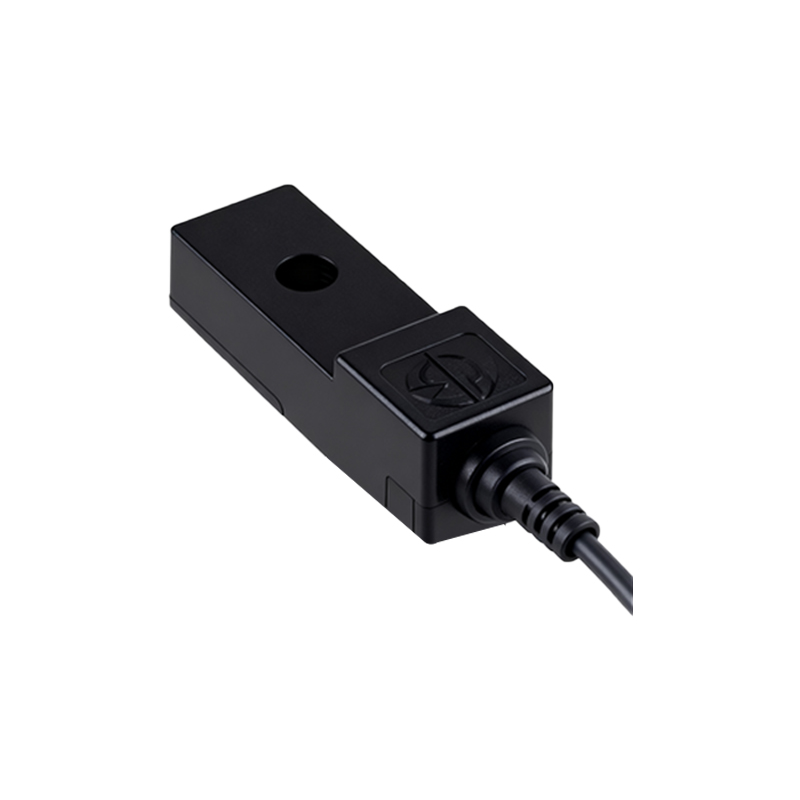
Infrared and laser-based sensors provide high-precision arrival detection, particularly in station environments. They can detect the exact position of a train's front or rear, enabling precise platform stopping (a feature known as "berthing") for automated systems. Acoustic sensors, which analyze the unique sound signature of trains, are also used in some applications for early approach warning.
The integration of these sensors into a centralized traffic control (CTC) or computer-based interlocking system is where their true value is realized. Sensor data is transmitted in real-time to control centers, providing dispatchers with a live picture of train movements. This enables dynamic scheduling, conflict resolution, and immediate response to anomalies. For automated or driverless metro systems, this sensor input is the primary data source for the Automatic Train Operation (ATO) and Automatic Train Protection (ATP) systems, controlling acceleration, braking, and door operations with millimeter precision.
The benefits are multifaceted. Safety is paramount: by providing unambiguous occupancy status, sensors form the basis of interlocking logic that prevents conflicting route settings. Efficiency gains are substantial through increased line capacity, reduced headways between trains, and minimized station dwell times. Predictive maintenance is also enhanced, as sensor data can reveal trends in wheel health or braking patterns.
However, challenges persist. Harsh environmental conditions—extreme temperatures, ice, heavy rain, and dust—can affect sensor performance. Electromagnetic interference from traction currents is a constant concern. Therefore, robust design, rigorous testing to standards like CENELEC for European railways or AREMA for North America, and redundant systems are essential. The future points toward greater sensor fusion, combining data from multiple sensor types (radar, optical, inertial) with digital communication from the trains themselves via systems like GSM-R or future FRMCS (Future Railway Mobile Communication System). This will create a more resilient, accurate, and information-rich detection network.
In conclusion, train approach and arrival sensors are far from simple presence detectors. They are intelligent data-gathering nodes that form the sensory nervous system of a railway. Their continuous evolution, driven by advancements in microelectronics and data analytics, is pivotal in the journey toward safer, more reliable, and more efficient rail transportation worldwide. The silent vigilance of these devices ensures that every arrival and departure proceeds with clockwork precision.