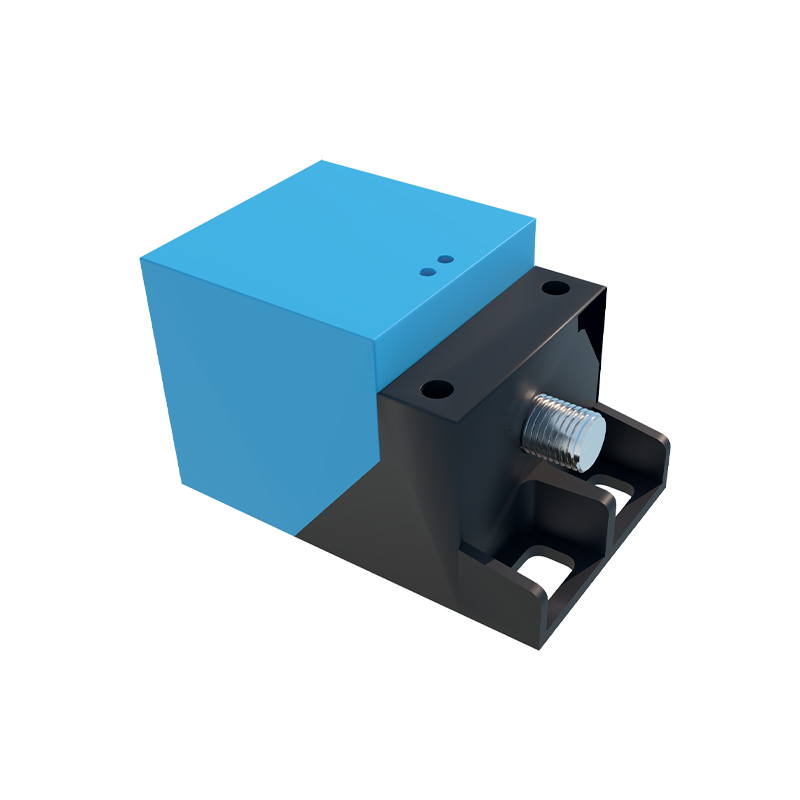
In the realm of industrial automation, robotics, and precision measurement, the ability to detect the presence, absence, or position of an object without physical contact is paramount. Among the various technologies enabling this capability, proximity laser sensors stand out for their exceptional accuracy, speed, and versatility. These sophisticated devices emit a focused beam of laser light and measure the properties of the reflected signal to determine distance or detect an object within a defined range.
The fundamental operating principle of most proximity laser sensors is based on optical triangulation or time-of-flight measurement. In the triangulation method, a laser diode projects a visible or infrared spot onto the target surface. The reflected light is focused onto a position-sensitive detector, such as a CCD or PSD array. As the distance to the target changes, the position of the light spot on the detector shifts. The sensor's internal processor calculates the exact distance by analyzing this positional shift using trigonometric principles. This method offers very high resolution and accuracy for short to medium ranges. Alternatively, time-of-flight sensors measure the time delay between the emission of a laser pulse and the reception of its reflection. By knowing the speed of light, the sensor computes the distance to the object. This technique is effective for longer ranges and can handle varying surface properties more robustly.
The advantages of using laser-based proximity sensors are significant. They provide a much smaller and more precise sensing spot compared to ultrasonic or standard photoelectric sensors, allowing for the detection of very small objects or precise edge positioning. Their response time is extremely fast, often in the microsecond range, making them suitable for high-speed production lines and dynamic applications. Furthermore, they are largely unaffected by ambient light, color, or material transparency issues that can plague other optical sensors, especially when using a modulated laser signal. Many models feature adjustable sensing ranges and programmable output logic, providing great flexibility in system integration.
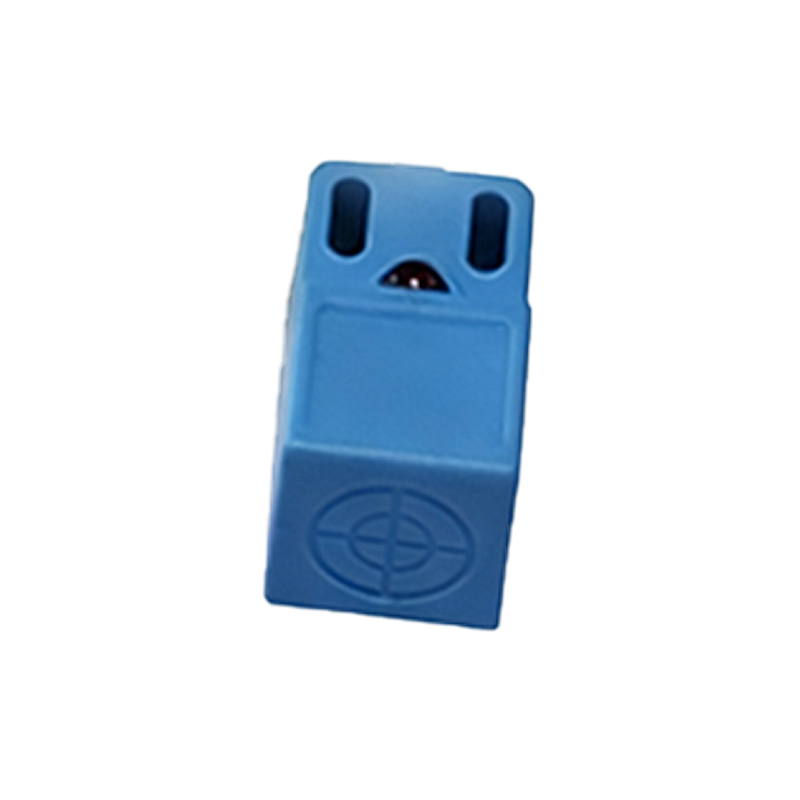
Applications for proximity laser sensors are diverse and critical across multiple sectors. In automotive manufacturing, they are used for gap and flush measurement between body panels, ensuring build quality. In electronics assembly, they verify the presence of tiny components on circuit boards or measure solder paste height. Within packaging machinery, they control fill levels in bottles or detect labels on fast-moving conveyors. Robotics heavily relies on these sensors for precise object localization, bin-picking guidance, and collision avoidance. They are also indispensable in logistics for dimensioning packages and in semiconductor fabrication for wafer handling and positioning.
Selecting the right proximity laser sensor requires careful consideration of several key parameters. The required sensing range and stand-off distance are primary factors. Resolution and repeatability, which define the smallest detectable distance change and measurement consistency, must meet the application's precision demands. The size of the laser spot influences the minimum detectable object size and edge detection capability. Environmental conditions such as temperature, humidity, and potential exposure to dust or vapors dictate the necessary ingress protection rating. Finally, the output type—whether analog voltage/current, digital switching, or serial communication—must be compatible with the host controller.
Installation and maintenance are straightforward but crucial for optimal performance. Ensuring a stable mounting platform minimizes vibration-induced errors. The sensor should be aligned perpendicular to the target surface for the strongest signal return. Keeping the lens clean from dust and debris is essential, as contamination can scatter or attenuate the laser beam. Regular verification against a known reference distance helps maintain calibration and accuracy over time.
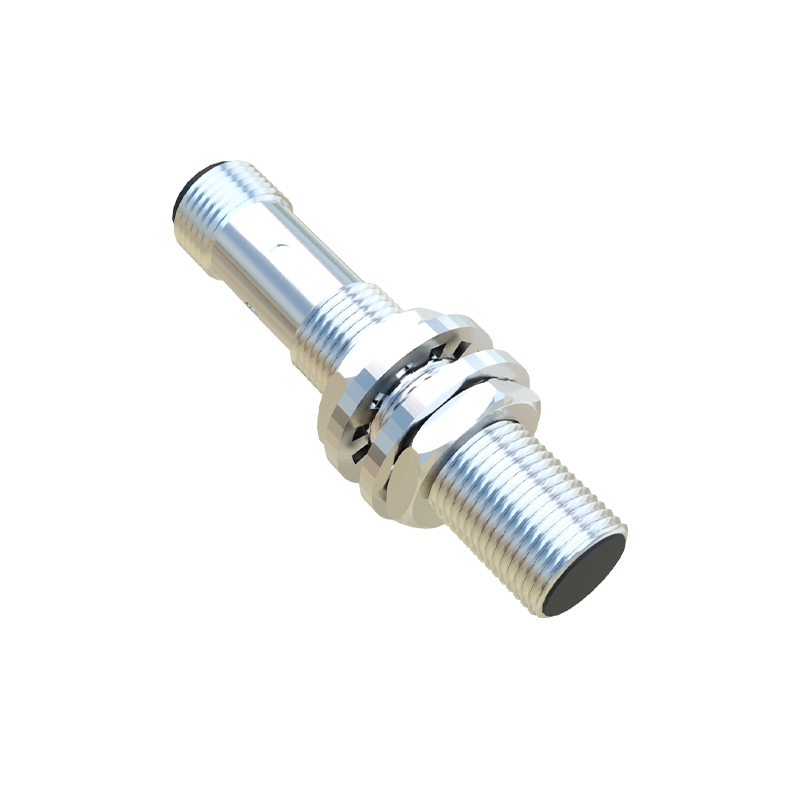
In conclusion, proximity laser sensors are powerful tools that bridge the gap between physical objects and digital control systems. Their non-contact nature, combined with superior precision and speed, solves complex challenges in automation and measurement. As technology advances, these sensors continue to evolve with features like integrated networking, enhanced environmental robustness, and smarter onboard diagnostics. Understanding their principles and carefully matching their specifications to the application needs is the key to unlocking their full potential, driving efficiency, quality, and innovation in modern industrial processes.