In the realm of industrial automation and precision measurement, position sensing laser sensors have emerged as indispensable tools. These sophisticated devices provide non-contact, high-accuracy measurements of distance, displacement, and position, enabling a level of control and quality assurance previously unattainable with traditional mechanical or ultrasonic sensors. This article delves into the core principles, diverse applications, and critical selection criteria for these powerful instruments.
At its heart, a position sensing laser sensor operates on the principle of optical triangulation. The sensor projects a focused, coherent laser beam onto a target surface. The light reflected from this surface is then captured by a receiving lens and focused onto a specialized optical detector known as a Position Sensitive Detector (PSD) or, in more modern systems, a CMOS or CCD array. The key to measurement lies in the angle of the reflected light. As the distance to the target changes, the angle of the reflected beam shifts, causing the spot of light to move to a different position on the detector. The sensor's internal processor calculates the exact distance or displacement by analyzing this positional shift of the light spot with extreme precision. This method allows for resolutions in the micron or even sub-micron range, with high repeatability and fast response times.
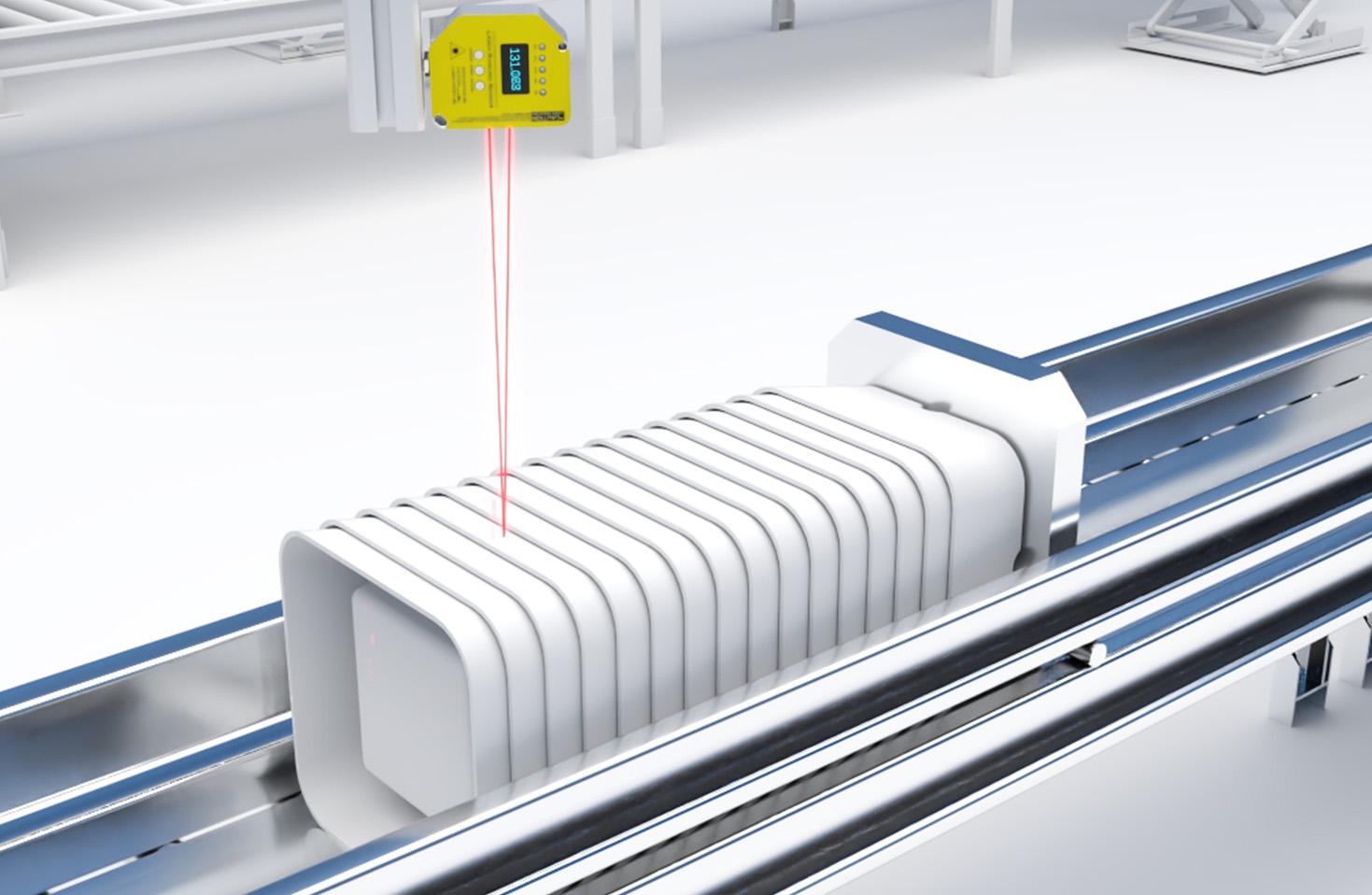
The advantages of laser-based position sensing are numerous. The non-contact nature eliminates mechanical wear and prevents damage to both the sensor and delicate target objects. They are highly versatile, capable of measuring a vast array of materials, including metals, plastics, glass, and liquids, though surface reflectivity and color can influence performance and may require sensor adjustment or specialized models. Their high speed makes them ideal for dynamic measurements on moving production lines. Furthermore, their compact size and ability to measure small or hard-to-reach targets offer significant design flexibility.
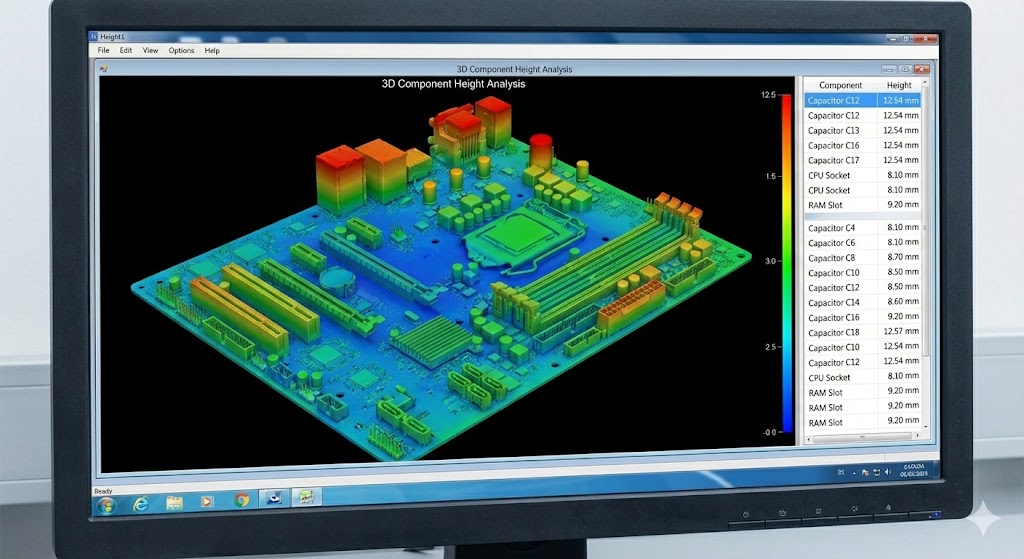
The applications for position sensing laser sensors span virtually every manufacturing sector. In the automotive industry, they are used for precise gap and flush measurement between body panels, thickness control of brake discs, and vibration analysis. In electronics manufacturing, they ensure the coplanarity of chip leads, measure solder paste height, and inspect component placement on PCBs. In pharmaceutical and packaging, they control fill levels, check seal integrity, and monitor material thickness. Robotics heavily relies on them for precise guidance, pick-and-place operations, and bin picking. Additional applications include wafer alignment in semiconductor fabrication, roll diameter monitoring in paper and steel mills, and vibration monitoring in predictive maintenance programs.

Selecting the right position sensing laser sensor requires careful consideration of several key parameters. First is the measuring range, which defines the minimum and maximum distances over which the sensor can operate accurately. Closely related is the stand-off distance, the optimal working distance from the sensor head to the target. Resolution indicates the smallest detectable change in distance, while linearity defines the accuracy across the entire measuring range, often expressed as a percentage of full scale. Spot size is critical for measuring small features or edges; a smaller spot allows for higher lateral resolution. The sampling rate or response time determines how quickly the sensor can update its measurement, which is vital for high-speed applications. Environmental factors such as ambient light, dust, fog, or temperature fluctuations must also be considered, as they can affect laser performance. Many sensors offer built-in filters, robust housings (IP67 ratings are common), and temperature compensation to mitigate these effects.
Modern advancements continue to push the boundaries. Confocal chromatic sensors offer exceptional performance on transparent and multi-layered materials. Class 1 laser products provide inherent eye safety for integrated systems. Integrated Ethernet/IP, PROFINET, and IO-Link interfaces simplify connectivity and integration into Industry 4.0 and Industrial Internet of Things (IIoT) frameworks, enabling real-time data collection and process optimization.
In conclusion, position sensing laser sensors are a cornerstone of modern precision manufacturing and automation. By understanding their operating principles, vast application potential, and detailed selection criteria, engineers and system integrators can effectively harness their capabilities to improve product quality, enhance process efficiency, and enable innovative automation solutions. As technology progresses, these sensors will undoubtedly become even more intelligent, connected, and integral to the smart factories of the future.