In the global marketplace, particularly within the European Economic Area (EEA), the CE marking is a critical certification for many products, including sophisticated industrial equipment like laser displacement sensors. This mark is not merely a quality seal but a mandatory declaration by the manufacturer that the product complies with the essential health, safety, and environmental protection requirements set out in relevant European Union (EU) directives and regulations. For engineers, system integrators, and procurement specialists, understanding the scope and implications of CE marking is fundamental to ensuring legal compliance, operational safety, and market access.
Laser displacement sensors, which utilize laser triangulation or time-of-flight principles to measure distance with high precision, fall under several regulatory frameworks. The primary directives applicable are the Electromagnetic Compatibility (EMC) Directive 2014/30/EU and the Low Voltage Directive (LVD) 2014/35/EU. The EMC Directive ensures that the sensor does not emit excessive electromagnetic interference that could disrupt other equipment and is itself immune to a reasonable level of external interference, guaranteeing reliable performance in electrically noisy industrial environments. The LVD addresses safety risks associated with electrical equipment operating within certain voltage limits, covering aspects like insulation, protection from electric shock, and mechanical hazards.

The process of obtaining CE marking is rigorous and rests entirely with the manufacturer or their authorized representative. It begins with a thorough conformity assessment. This involves identifying all applicable EU directives and harmonized standards (EN standards). For a laser displacement sensor, relevant standards might include EN 61326-1 for electrical equipment for measurement, control, and laboratory use (EMC requirements) and EN 61010-1 for safety requirements for electrical equipment for measurement, control, and laboratory use. The manufacturer must perform technical documentation, often referred to as a Technical File, which contains detailed design, manufacturing information, risk assessments, test reports, and a list of applied standards.
Critical to this process is the evaluation of the laser source itself. Most industrial laser displacement sensors use Class 2 or Class 3R laser products as per EN 60825-1, which pertains to laser product safety. Compliance with this standard is essential to ensure eye safety. The Technical File must demonstrate that the sensor's housing, labeling, and safety features prevent potentially hazardous exposure during normal use and maintenance. Following successful testing—often conducted by internal or notified bodies—the manufacturer drafts and signs the EU Declaration of Conformity (DoC). This legal document states the product's compliance and must be made available to market authorities upon request. Only then can the CE mark be affixed to the product.
For end-users and integrators, specifying CE-marked laser displacement sensors is non-negotiable for installations within the EEA. It mitigates legal and liability risks. However, due diligence is advised. A genuine CE mark should be legible, indelible, and at least 5mm in height. It is prudent to request a copy of the Declaration of Conformity from the supplier. Be wary of the misleading "China Export" mark, which resembles the CE logo but has a different typographical spacing and is not recognized under EU law. Using a non-compliant sensor can lead to serious consequences, including forced removal from the market, project delays, fines, and most critically, potential safety incidents in the plant.
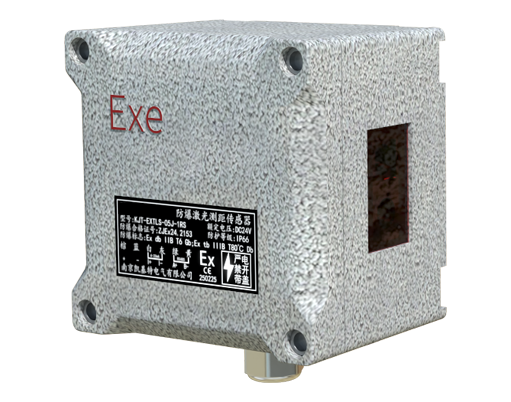
Beyond the core EMC and LVD directives, other regulations may apply depending on the sensor's specific application. If integrated into machinery, the overarching Machinery Directive 2006/42/EC becomes relevant for the final assembly. Furthermore, environmental directives like RoHS (Restriction of Hazardous Substances) and REACH (Registration, Evaluation, Authorisation and Restriction of Chemicals) may also govern the materials used in the sensor's construction. Therefore, a holistic view of compliance is necessary.
In conclusion, the CE marking for laser displacement sensors represents a comprehensive safety and compliance ecosystem. It is the outcome of a structured engineering process focused on risk management and adherence to harmonized technical standards. For professionals in the electrical and automation fields, a deep understanding of this certification process is not just about regulatory adherence; it is a cornerstone of responsible engineering, ensuring that high-precision measurement technology integrates safely and reliably into modern industrial systems. Always verify compliance documentation to safeguard your operations and projects.