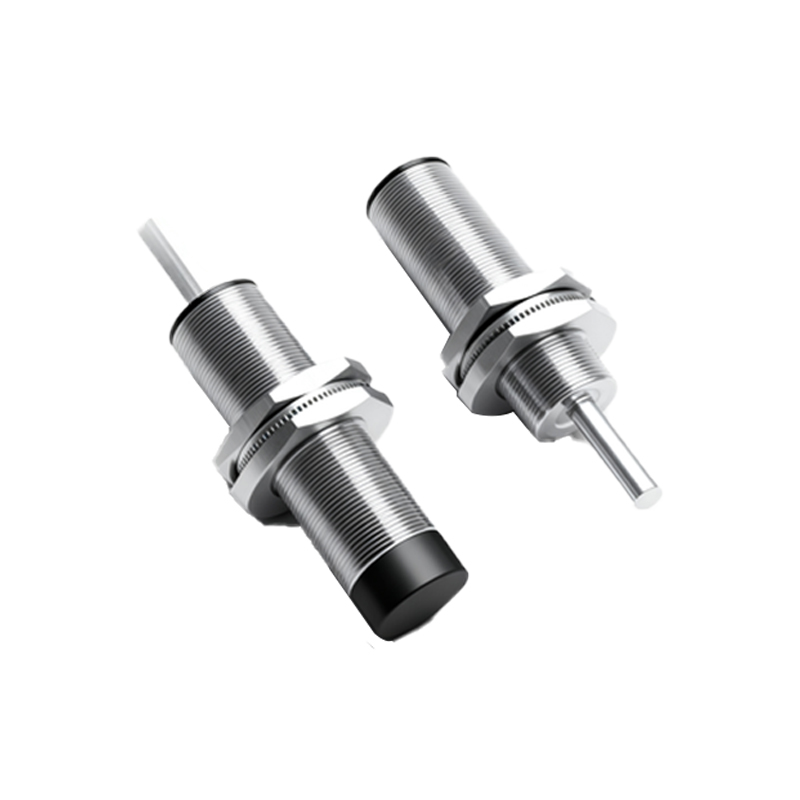
In the world of industrial automation and electronic control, proximity sensors are indispensable for non-contact detection. Among the various technologies available, Hall Effect proximity sensors stand out for their reliability, durability, and precision in detecting magnetic fields. This article delves into the operational principles, key characteristics, diverse applications, and critical selection criteria for these versatile components.
The fundamental principle behind a Hall Effect sensor is the Hall Effect, discovered by Edwin Hall in 1879. When a current-carrying conductor or semiconductor is placed in a perpendicular magnetic field, a voltage difference, known as the Hall voltage, is generated across the material. This voltage is proportional to the strength of the applied magnetic field. A Hall Effect proximity sensor integrates this sensing element with signal conditioning electronics. It detects the presence or absence of a magnetic field, typically from a permanent magnet attached to the target object. Unlike inductive sensors that require a metallic target, Hall Effect sensors specifically respond to magnetic flux, making them ideal for applications involving magnets or ferromagnetic materials.
Several key characteristics define the performance of Hall Effect proximity sensors. First is their switching behavior, which can be either unipolar (responding to a single magnetic pole, usually the south pole) or bipolar (responding to both north and south poles, often with a latching function). Their output configuration is another critical factor, commonly available as NPN (sinking) or PNP (sourcing) transistor outputs, or analog voltage/current outputs for proportional distance measurement. The sensing distance, though generally shorter than some inductive sensors, is precise and repeatable. These sensors are also known for their high switching frequency, enabling them to detect rapidly moving targets, such as in speed sensing on rotating shafts. Furthermore, they are largely immune to environmental factors like dust, oil, and non-conductive contaminants, and they are not affected by ambient light, unlike optical sensors. Their solid-state design ensures exceptional longevity with no mechanical wear.
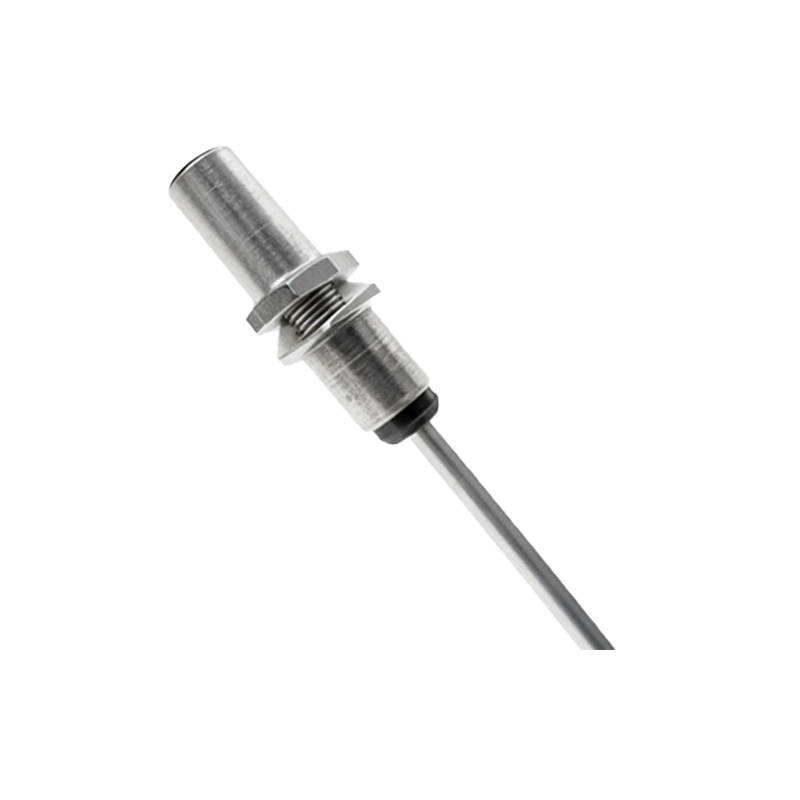
The application spectrum for Hall Effect proximity sensors is remarkably broad. In the automotive industry, they are ubiquitous, used for crankshaft and camshaft position sensing, wheel speed sensing for anti-lock braking systems (ABS), and detecting seatbelt engagement. In industrial automation, they serve as end-of-travel limit switches on linear actuators, provide rotational speed and position feedback in motors and gearboxes, and are used in fluid level detection with magnetic floats. Consumer electronics utilize miniature Hall sensors for detecting flip or slide cover positions in mobile devices and laptops. They are also fundamental in brushless DC (BLDC) motors for commutation control, ensuring efficient and precise motor operation.
Selecting the appropriate Hall Effect proximity sensor requires careful consideration of several parameters. The type of target is paramount; the sensor must be matched to the strength and polarity of the magnet used. Required sensing distance dictates the specific sensor model, as this is a fixed specification. The electrical requirements, including supply voltage (e.g., 5V DC, 12-24V DC) and output type (NPN/PNP digital or analog), must be compatible with the control system. Environmental conditions such as temperature range, potential exposure to chemicals, and required ingress protection (IP) rating for dust and water resistance are crucial for long-term reliability. Finally, the physical form factor—housing style (tubular, rectangular), size, and mounting method—must suit the mechanical constraints of the application.
In conclusion, Hall Effect proximity sensors offer a robust and precise solution for magnetic field detection across countless industries. Their solid-state nature, immunity to environmental contaminants, and fast response make them a preferred choice for demanding applications from factory floors to vehicle systems. A thorough understanding of their operating principle, coupled with a methodical approach to selection based on target, environment, and electrical needs, ensures optimal performance and integration into any control or monitoring system. As technology advances, these sensors continue to evolve, offering enhanced sensitivity, miniaturization, and integrated smart features for the ever-growing demands of automation and IoT connectivity.