In today's rapidly evolving industrial and consumer electronics landscape, low power proximity sensors have become indispensable components for enabling energy-efficient automation, touchless interfaces, and smart device functionalities. Selecting the right sensor requires a thorough understanding of technical parameters, application environments, and power management strategies. This guide provides a comprehensive framework to assist engineers in making informed decisions.
First, it is essential to define the core operational requirements. Detection range, response time, and object material compatibility are primary considerations. For instance, inductive sensors excel in detecting metallic objects at short ranges with high precision, while capacitive sensors can identify both metallic and non-metallic materials, making them suitable for liquid level detection or touch-sensitive panels. Infrared (IR) and ultrasonic sensors offer longer ranges but vary significantly in power consumption and environmental robustness.
Power consumption is the critical differentiator in low power designs. Engineers must evaluate the sensor's operating current in active and standby modes. Many modern sensors incorporate advanced power-saving features such as wake-on-approach, intermittent sampling, and adjustable sensitivity settings. For battery-powered applications like IoT devices or wearable technology, sensors with nanoampere-level sleep currents are paramount to extending operational lifespan. Always refer to the detailed power profile in the datasheet, noting peak current during detection events and average consumption over time.
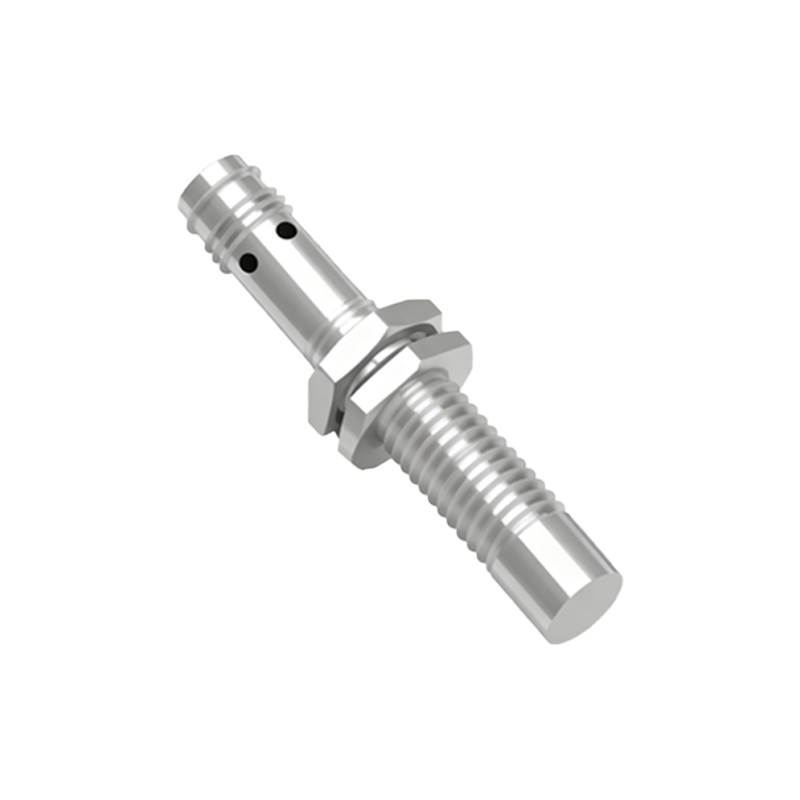
Environmental factors heavily influence sensor performance and longevity. Temperature fluctuations, humidity, ambient light (for optical sensors), and electromagnetic interference can cause false triggers or reduced accuracy. For harsh industrial settings, look for sensors with high IP ratings, extended temperature ranges, and robust housing materials. Optical proximity sensors may require filtering to mitigate interference from sunlight or other IR sources.
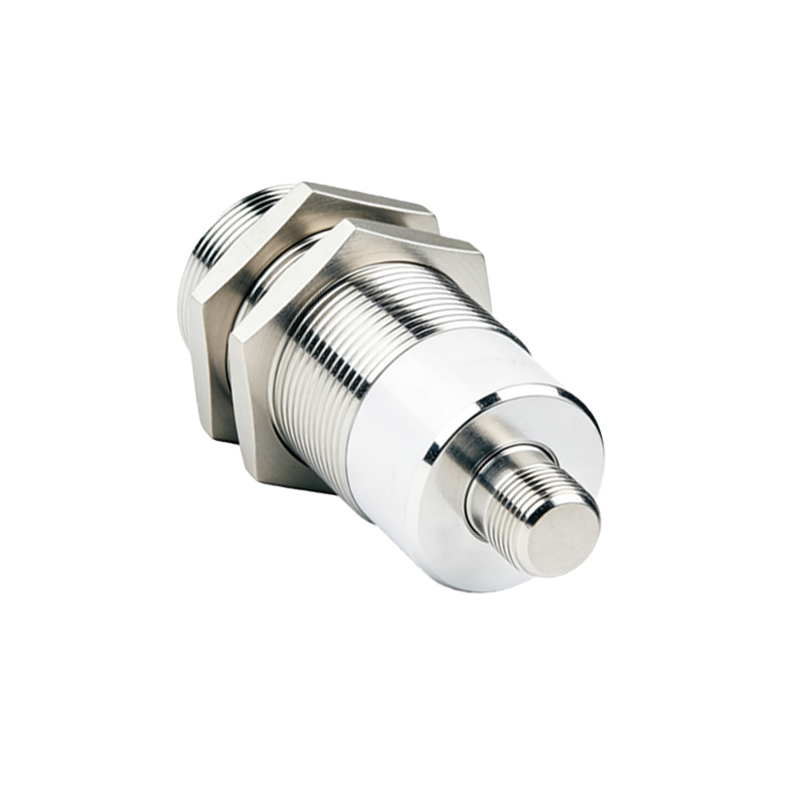
Integration complexity is another pivotal aspect. Consider the output interface—digital (I2C, SPI) or analog—and its compatibility with your microcontroller or processing unit. Digital sensors often simplify circuit design and offer programmable features but may consume slightly more power during communication. Evaluate the supporting circuitry needed, such as external oscillators for ultrasonic sensors or specific lens designs for IR types. Additionally, assess the availability of evaluation kits and software libraries to accelerate prototyping and testing.
Finally, cost and supply chain reliability cannot be overlooked. While cutting-edge sensors with ultra-low power consumption might be ideal technically, their availability or premium pricing could impact project feasibility. Balance performance with total cost of ownership, including calibration needs and potential maintenance.
In summary, successful selection hinges on a holistic analysis of technical specs, power metrics, environmental resilience, and system integration ease. Prioritize sensors from reputable manufacturers that provide comprehensive documentation and support. By methodically addressing each factor, engineers can deploy low power proximity sensors that enhance product efficiency, reliability, and user experience across diverse applications.