In the realm of automation, consumer electronics, and industrial safety, proximity sensors are indispensable components. Their core function—detecting the presence or absence of an object without physical contact—hinges on one critical parameter: sensitivity. Sensor sensitivity fundamentally defines its ability to reliably detect a target at a specified distance and under varying conditions. It is the fine line between flawless operation and erratic performance. Understanding the factors that influence this sensitivity and how to optimize it is paramount for engineers, designers, and technicians.
The sensitivity of a proximity sensor is not a singular, fixed value but a complex interplay of its inherent design and external environmental factors. Firstly, the underlying technology dictates its basic behavior. Inductive sensors, for instance, are sensitive to metallic objects. Their sensitivity is influenced by the target material's conductivity and permeability; ferrous metals like steel are detected at greater distances than non-ferrous metals like aluminum or copper. Capacitive sensors, which react to both conductive and non-conductive materials, have their sensitivity affected by the target's dielectric constant. Materials with high dielectric constants (e.g., water, ceramics) are easier to detect than those with low constants (e.g., plastics, dry wood). Ultrasonic sensors use sound waves, and their sensitivity can be impacted by the target's sound absorption and reflection properties, as well as surface angle.
Beyond the core technology, several key factors directly modulate sensitivity. The size and shape of the target object are primary. A larger surface area presented perpendicularly to the sensor will yield a stronger signal and greater apparent sensing range. Small or narrow targets may fall below the detection threshold. The rated sensing distance, often specified for a standard target, is a theoretical maximum under ideal conditions. Real-world operational distance is typically 70-80% of this rating to ensure reliability against factors like temperature drift and voltage fluctuations.
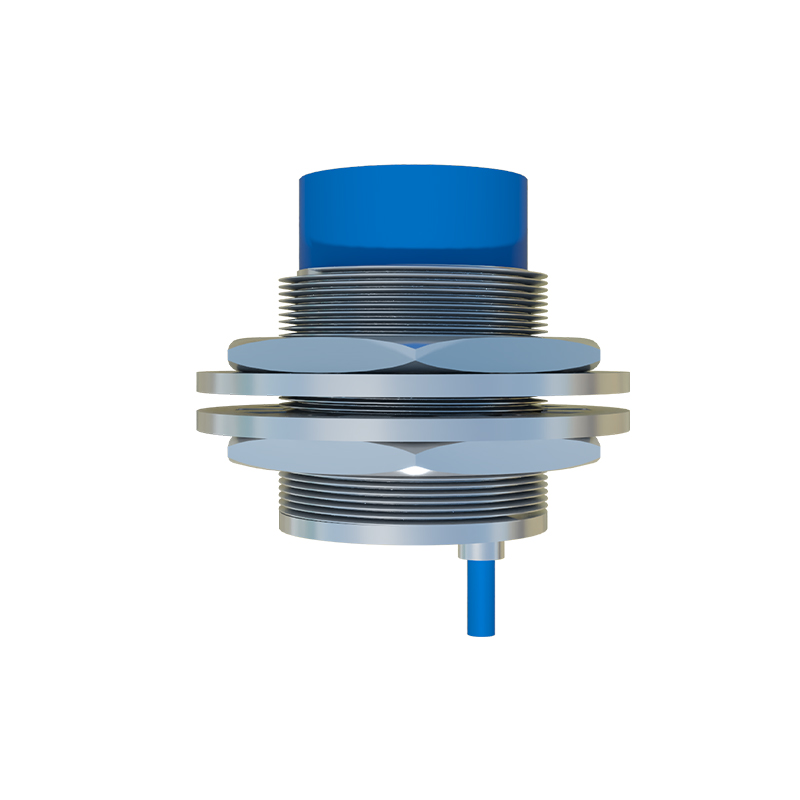
Environmental conditions are often the most significant challenge to consistent sensitivity. Temperature extremes can cause electronic components to drift, temporarily altering the sensor's trigger point. For inductive sensors, ambient metal—mounting brackets, machine frames, or even other sensors—can create interference fields, effectively "masking" the target or causing false triggers. This necessitates careful mounting with adequate clearance. Contaminants pose another major threat. Dust, oil, coolant, or ice buildup on the face of an optical or ultrasonic sensor can attenuate or block the signal entirely. Similarly, metallic chips accumulating on an inductive sensor can saturate its magnetic field, reducing its effective range.
Electrical noise is an invisible adversary. Motors, variable frequency drives (VFDs), welders, and power lines can generate electromagnetic interference (EMI) that disrupts the sensor's internal signals, leading to instability. Proper shielding, grounded metal enclosures, and using sensors with robust noise immunity ratings are essential countermeasures. Supply voltage variations also play a role; a sensor operating at the lower limit of its voltage range may exhibit reduced output performance and sensing distance.
Optimizing proximity sensor sensitivity is a systematic process. It begins with correct selection: choose a sensor technology and specific model whose inherent characteristics match the target material, required sensing distance, and environmental class. Installation is the next critical phase. Always follow the manufacturer's guidelines for mounting, ensuring proper clearance from surrounding metal (typically 1-2 times the sensor diameter for inductive types). Orient the sensor face correctly towards the expected target path. Many sensors feature a sensitivity adjustment potentiometer or teach-in function. This allows fine-tuning the trigger threshold to the specific application, providing a margin for detection while avoiding false triggers from background objects or minor environmental shifts. For challenging environments, selecting sensors with higher IP (Ingress Protection) ratings for dust and water, or built-in temperature compensation, can preserve sensitivity over time.
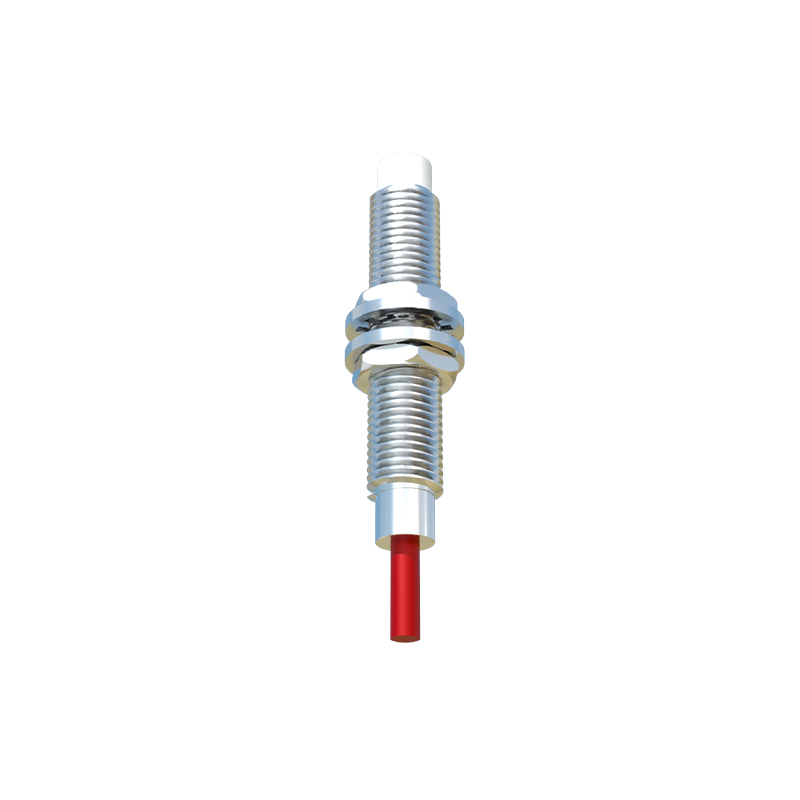
Regular maintenance is the final pillar of sustained sensitivity. Establishing a schedule to clean sensor faces of debris, verifying mounting integrity, and checking for signs of physical damage prevents gradual performance degradation. Periodically validating the sensor's response with the actual target under normal operating conditions ensures it continues to function within its required parameters.
In conclusion, proximity sensor sensitivity is a dynamic characteristic central to system reliability. It is governed by the laws of physics as applied by the sensor's technology and constantly negotiated with the real-world application environment. A deep understanding of the influencing factors—target properties, environmental hazards, and electrical integrity—empowers professionals to not only select the right sensor but also to install, adjust, and maintain it for peak, long-term performance. This proactive approach to sensitivity management minimizes downtime, enhances safety, and ensures the seamless operation of automated systems.